

Antique Gilt Ceiling Light
An antique gilt ceiling light transforms a room through the warm reflection of metal and glass, spanning French chandeliers, lanterns, and plafonniers.
Antique Gilt Ceiling Light
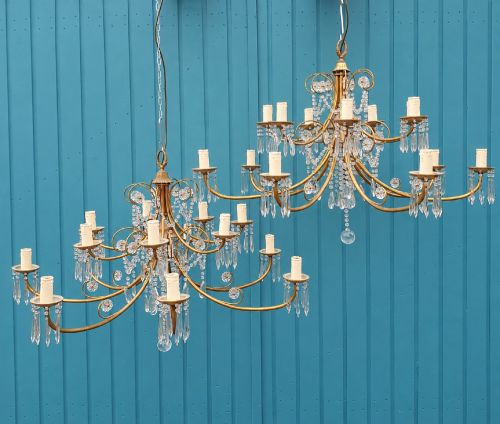
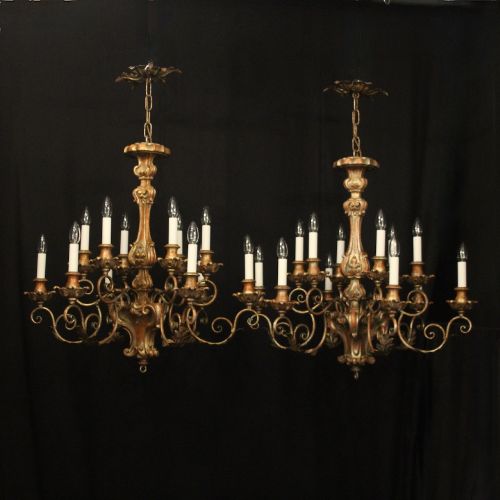
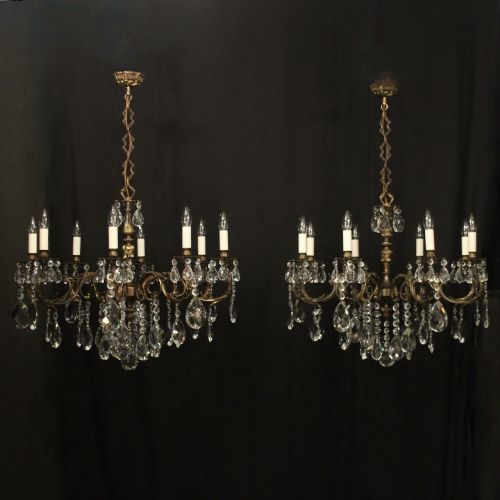
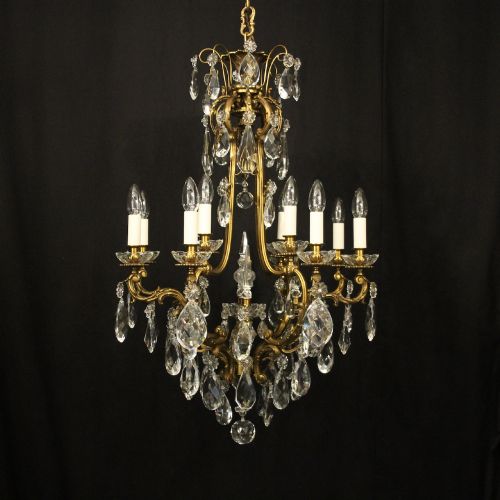
When searching for an antique gilt ceiling light, buyers encounter a broad selection of overhead fixtures originating primarily from French and Italian workshops. These pieces date from the nineteenth century through the Edwardian era and the 1920s and 1930s, encompassing styles such as French Rococo, Empire, and Art Deco.
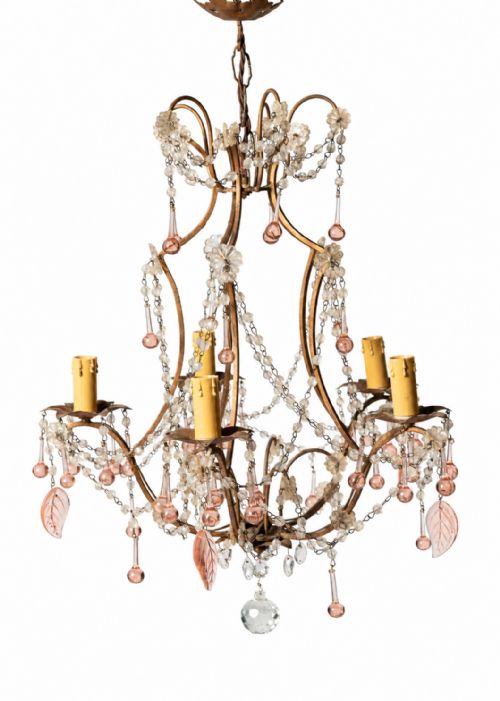
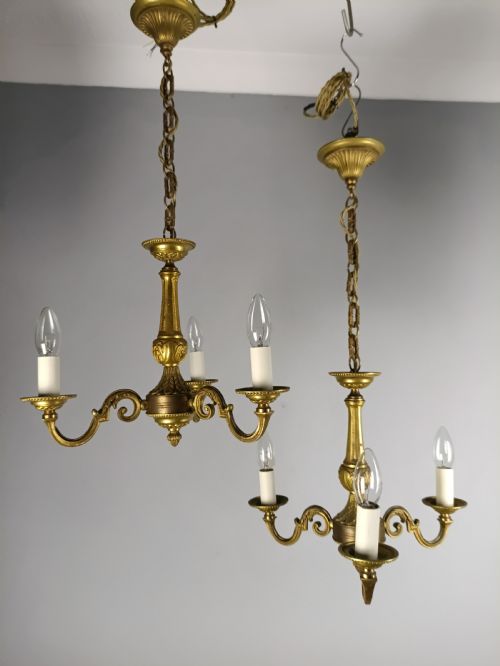
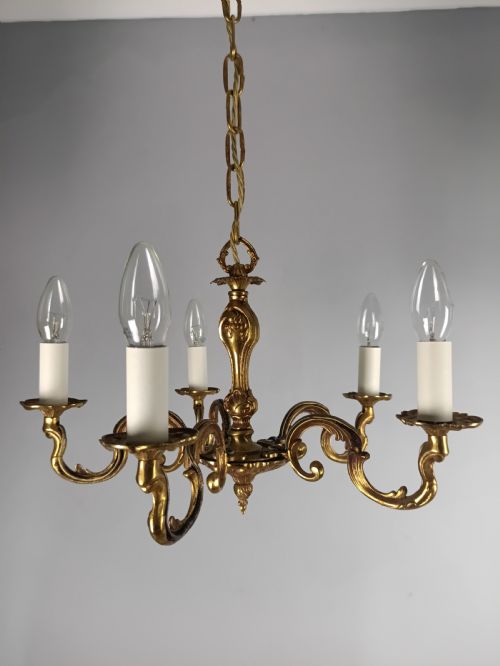
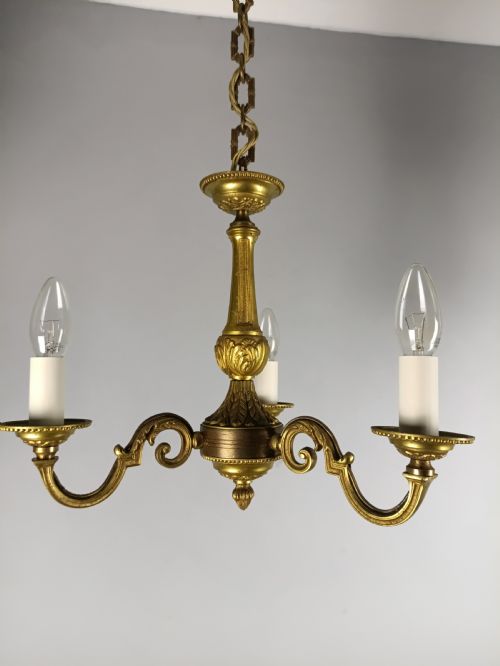
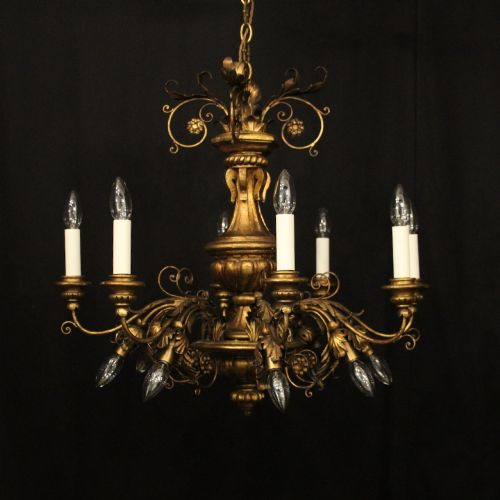
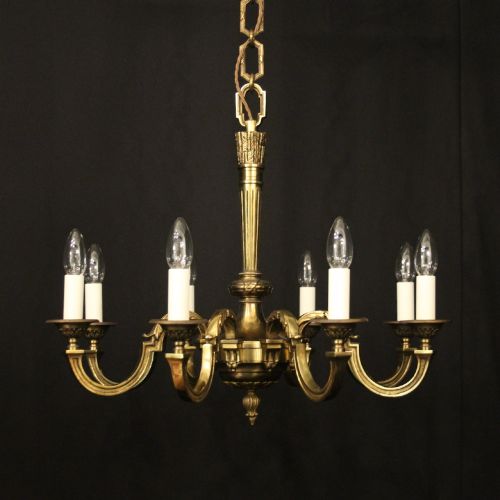
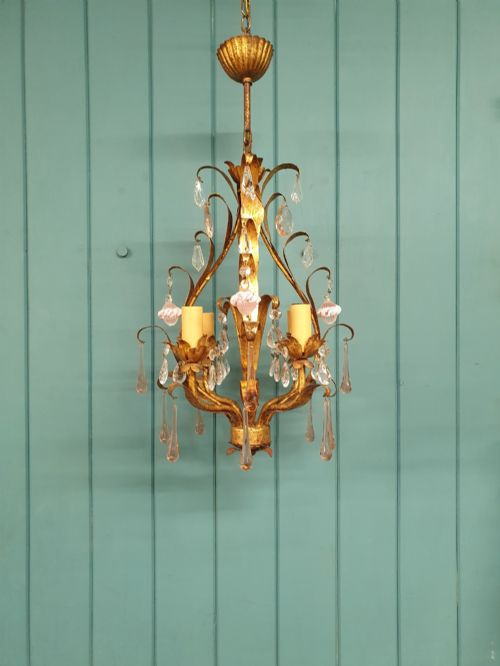
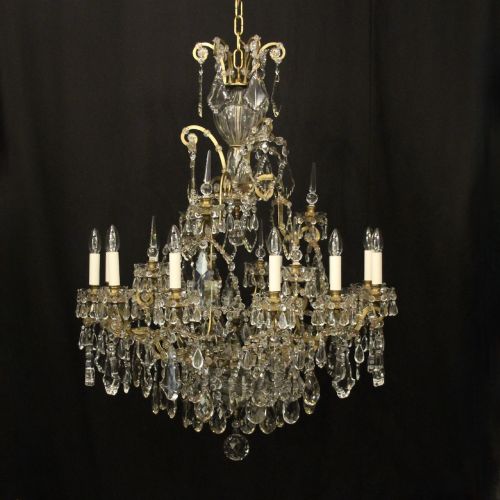
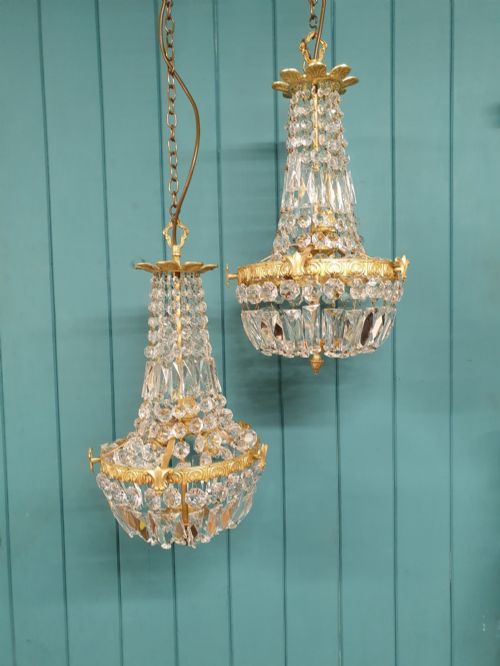
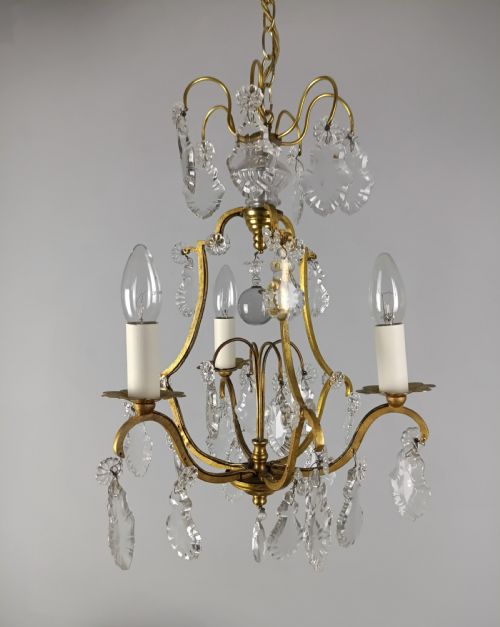
The assortment on this page consists predominantly of multi-light chandeliers, birdcage chandeliers, tent and waterfall crystal designs, and glazed hall lanterns. Brass, bronze, or spelter frames finished in gold leaf or gilt appear alongside carved giltwood and silvered variants.
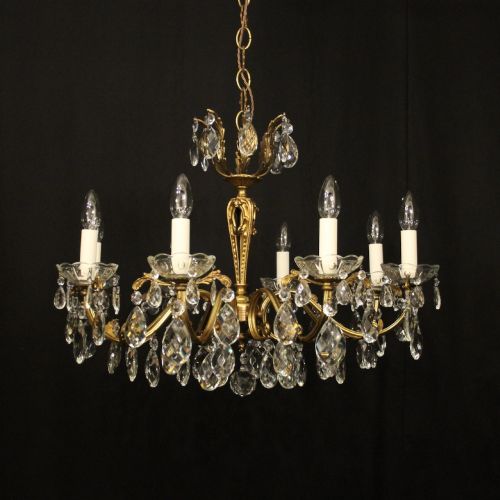
Smaller formats such as mini crystal chandeliers and plafonniers stand alongside large twelve-arm fixtures designed for high ceilings. Glass components include cut crystal drops, spikes, and moulded shades that interact directly with the metallic frames.
How they were made
Metalwork forms the structural backbone of these fixtures, utilising cast bronze, brass, or carved wood finished with applied gold leaf, ormolu, or silver gilding. Foundries cast arms, rings, and decorative elements like wheatsheaves, lyres, and cherubs before hand-finishing the metal surfaces.
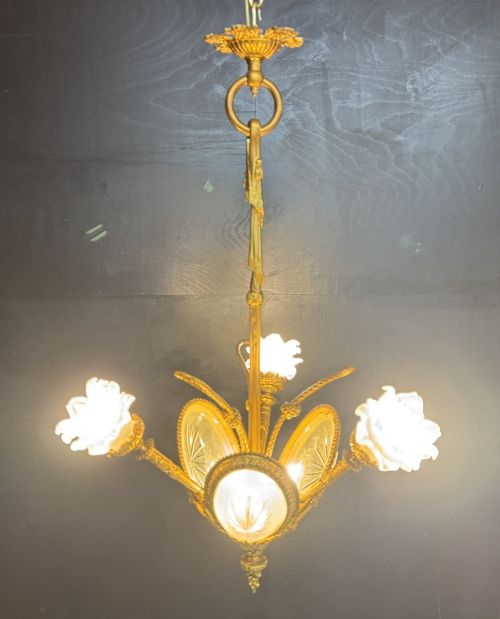
Glass and crystal elements are integrated through mechanical wiring or traditional pinning, suspending cut glass drops, tiers, and waterfalls from the metallic armature. Specialised techniques include mould-blown art glass panels for plafonniers and hand-cut crystal spikes that refract the internal illumination.
Antique Gilt Ceiling Light Retail Price Guide 2026
Typical asking prices for gilt ceiling light among the pieces listed under this phrase on Sellingantiques today, from the lower quarter to the upper quarter. They describe what is for sale here now, not the wider market.
Flying cherubs and carved wheatsheaves occasionally hold up the crystal.
What varies in quality
The distinction between tiers of quality rests upon the depth of the casting and the purity of the metalwork before gilding. Finer examples display crisp chisel work on bronze or ormolu mounts, whereas simpler versions rely on pressed brass or spelter.
Crystal quality determines the brilliance of the fixture, with high-end pieces utilising heavily leaded, hand-cut glass prisms that scatter light cleanly. The integration of structural components, such as solid bronze frames versus lighter brass assemblies, dictates the overall mass and durability of the light.
Charles Schneider
The Antique Gilt Ceiling Light Glossary
- Gilt bronze
- A metal alloy treated with a gold application, often referred to as ormolu on French pieces. It provides a durable, rich metallic surface that resists tarnishing.
- Birdcage chandelier
- A lighting fixture featuring a curved metal frame resembling the silhouette of a cage, typically dense with crystal drops and multiple interior lights.
- Plafonnier
- A ceiling-mounted bowl or shade made of glass, frequently associated with Art Deco makers and secured directly against the ceiling plate.
- Tent and waterfall
- A chandelier configuration where strings of small crystals form an upper canopy tent that cascades down into a wider waterfall fringe.
Antique Gilt Ceiling Light: Frequently Asked Questions
How do I choose the right size ceiling light?
Consider the ceiling height and floor area of the room before selecting a fixture. Larger multi-tier chandeliers require substantial vertical clearance, whereas compact birdcage designs or flush-mounted plafonniers suit lower spaces.
Proportion remains paramount when hanging a fixture over furniture or open walkways. Measuring the drop length ensures the light clears foot traffic while anchoring the room visually.
What is the difference between gilt bronze and gilt brass?
Gilt bronze utilises a heavier, copper-alloy casting that allows for sharper chisel detail and a deeper metallic tone. Brass is an alloy of copper and zinc that tends to be lighter and more pliable.
Both materials receive gold leaf or chemical gilding, but bronze typically indicates a higher tier of production in period lighting.
How are antique chandeliers wired for modern use?
Most period fixtures require rewiring to comply with contemporary electrical standards. Professional restorers replace old cloth or rubber internal wiring with modern insulated leads while preserving the original sockets where possible.
Checking the internal channels of the metal arms ensures the new wiring remains safely concealed.
How do I clean and maintain crystal fixtures?
Routine maintenance involves gentle dusting with a soft brush or feather duster to prevent grime accumulation on the glass surfaces. For thorough cleaning, removing individual crystal drops and washing them in warm soapy water restores their refractive quality.
Harsh chemical cleaners should be avoided to protect the integrity of the gilt finish on the surrounding metal frame.