


Antique Gilt Carving
Antique gilt carving brings golden light and sculptural depth into a room through mirrors, console tables, and wall brackets shaped in past centuries.
Antique Gilt Carving
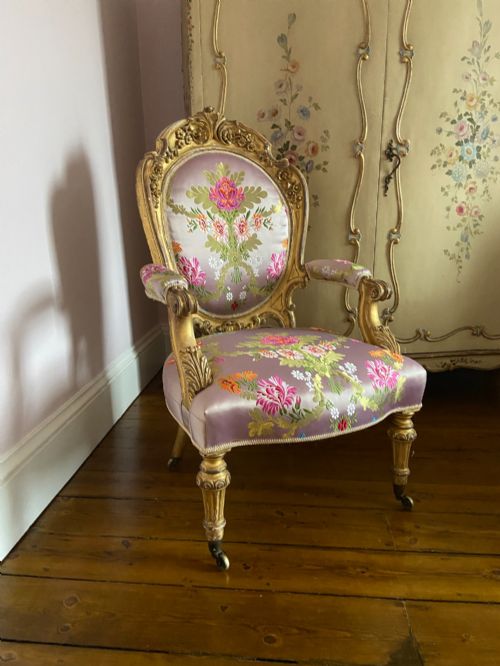
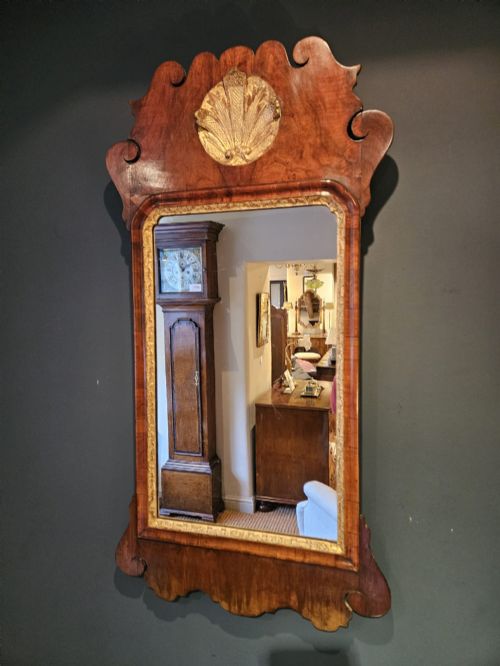
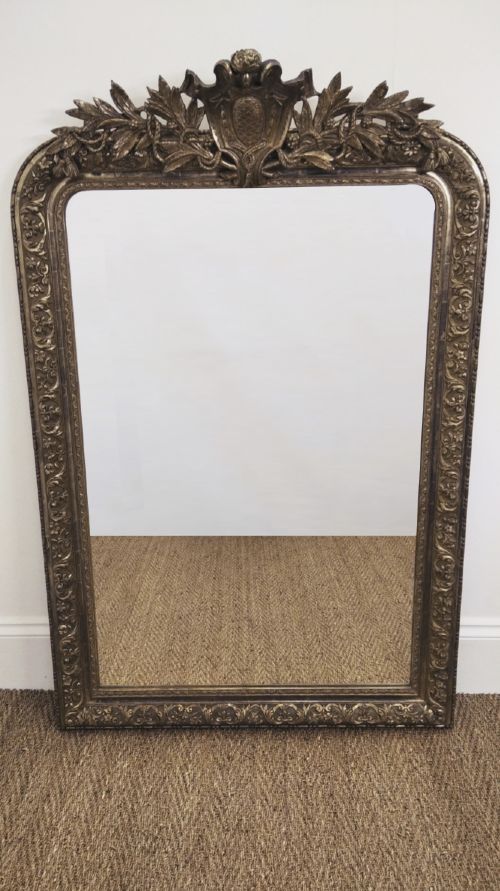
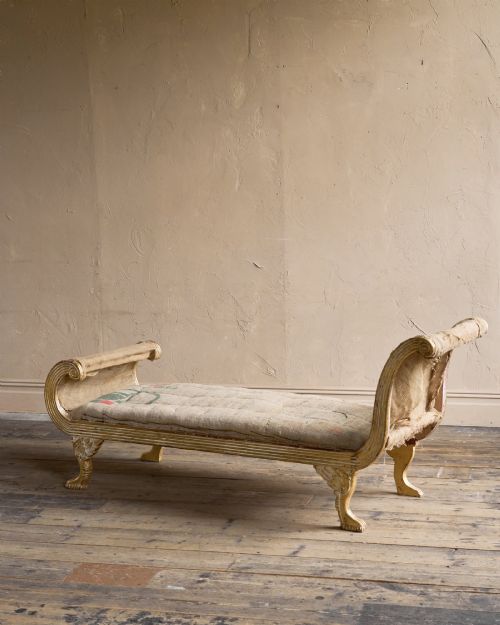
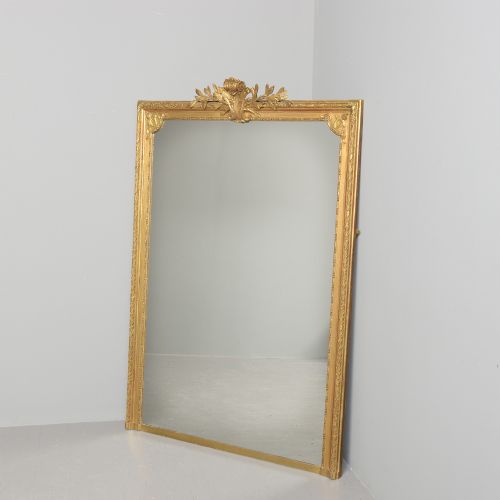
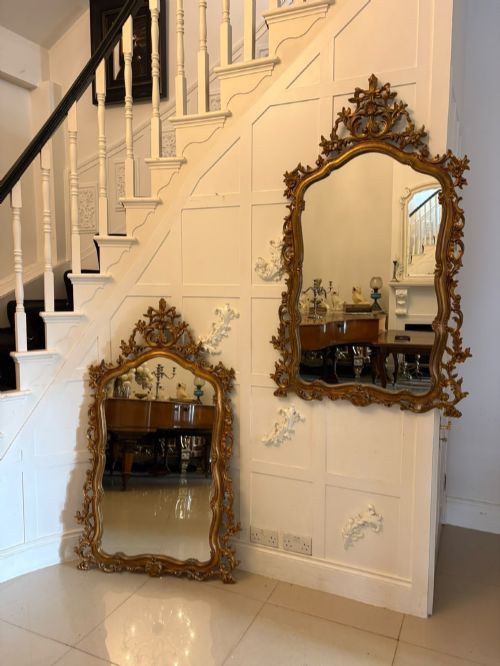
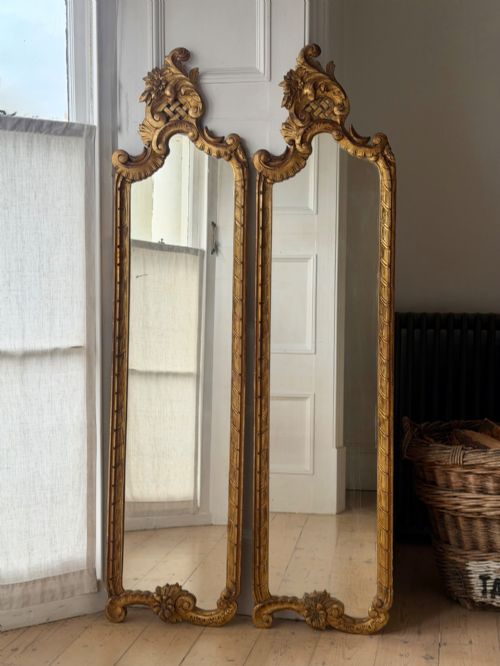
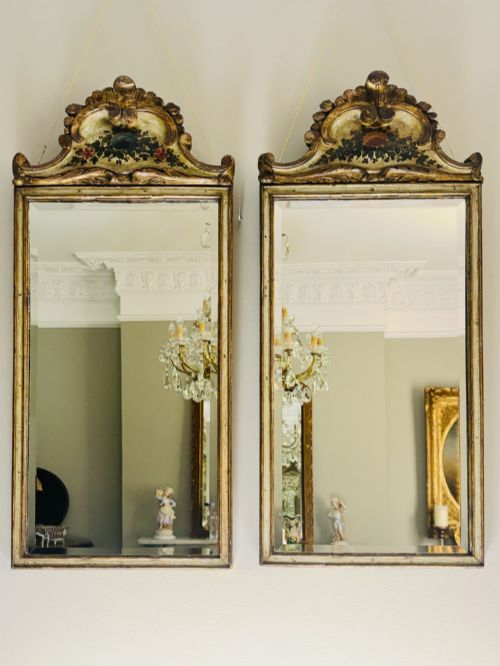
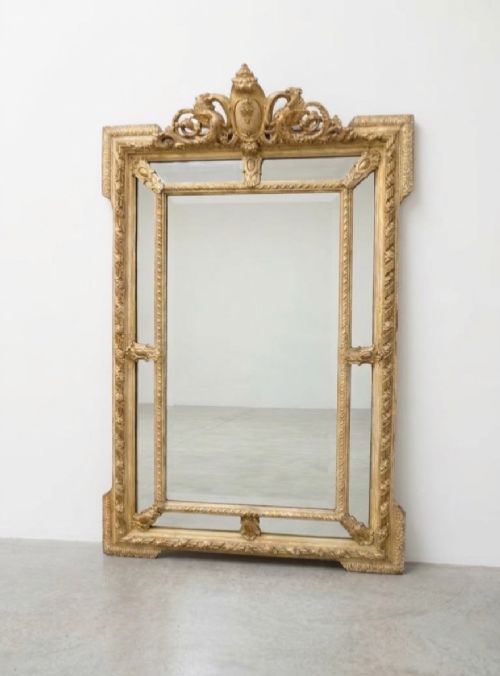
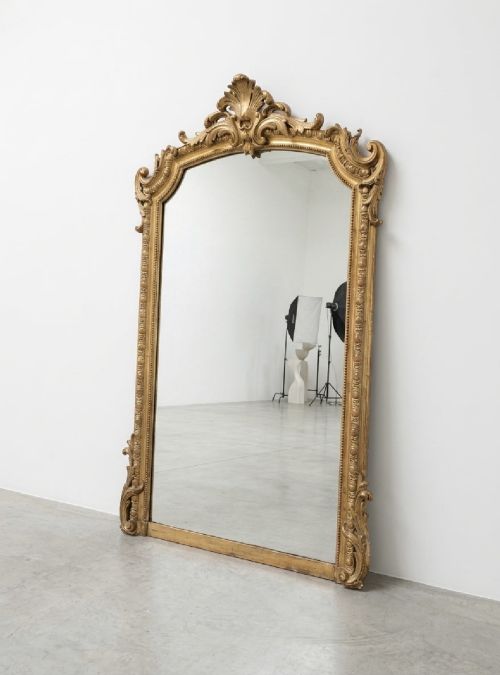
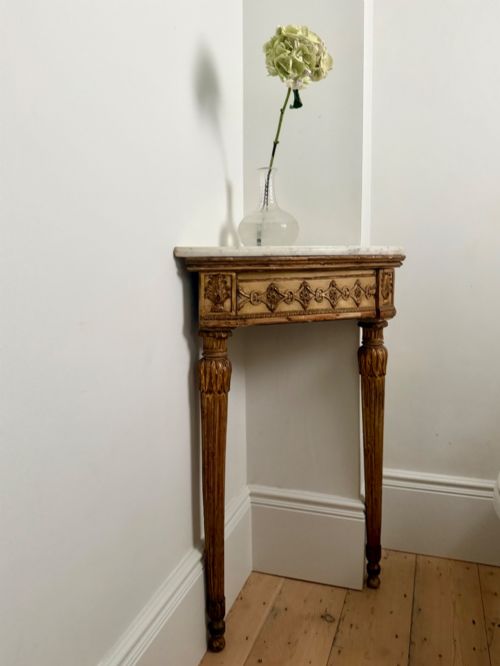
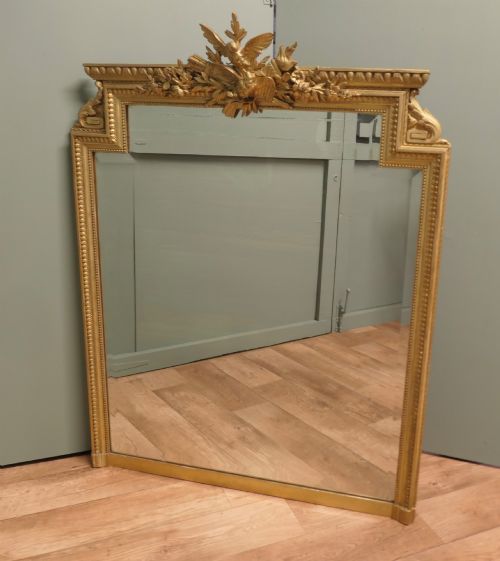
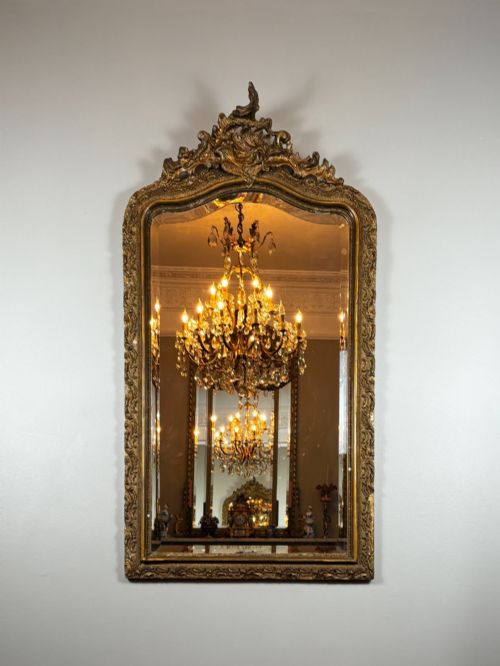
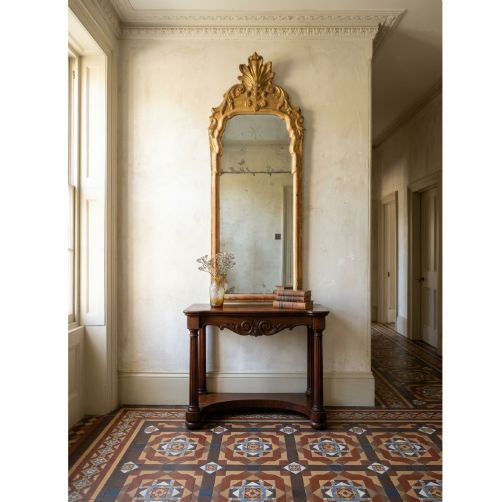
Antique gilt carving encompasses grand wall mirrors, pier glasses, and overmantles designed to catch and reflect candlelight or window illumination in period interiors. Alongside these reflective forms sit console tables, armchairs, and wall brackets carrying rich surface ornament.
The selections span from the seventeenth century through the Regency era and into later Victorian revivals, drawing heavily on French Rococo, Empire, and Chippendale idioms. Wall mirrors dominate the selection, frequently taking substantial proportions intended for principal reception rooms.
Makers and artisans across England, France, and Italy produced these gilded wooden furnishings using traditional joinery and plasterwork techniques. Buyers encounter arched tops, cartouche frames, and dolphin supports reflecting distinct regional tastes of their respective periods.
How they were made
Carved wood provides the structural skeleton for these objects, utilising timbers such as mahogany, walnut, and pine depending on the workshop origin. Artisans shaped these foundations with gouges and chisels before applying decorative layers.
Gesso, a mixture of chalk and binder, built up the surface details and allowed crisp relief ornament like ribbons, flowers, and scrolls to be moulded onto the wood. Gold leaf or silver leaf was then applied over sizing and burnished to achieve a reflective metallic finish.
Original glass plates in mirrors often display foxing, silver loss, and subtle imperfections resulting from early manufacturing methods rather than damage. Frames frequently combined carved wooden elements with applied composition ornaments for intricate botanical and scroll motifs.
Antique Gilt Carving Retail Price Guide 2026
Typical asking prices for gilt carving among the pieces listed under this phrase on Sellingantiques today, from the lower quarter to the upper quarter. They describe what is for sale here now, not the wider market.
Materials recorded on this page include marble tops, mahogany structures, terracotta brackets, and carved gesso frames.
What varies in quality
The depth and definition of the hand carving separate masterwork pieces from mass-produced commercial alternatives of later decades. Crisp undercutting in wooden acanthus leaves and floral swags indicates superior bench work by skilled hands.
The integrity of the original gesso and gilding layers dictates the historical weight of a piece, as excessive over-gilding obscures subtle tool marks and period patination. Surviving mercury plates or early convex glass add authenticity to mirrors compared to later replacements.
Proportion and scale govern the architectural success of console tables and overmantle frames, where balanced composition reflects the confidence of the original design. Structural soundness in the underlying timber joints ensures the heavy weight of glass and plaster remains securely supported.
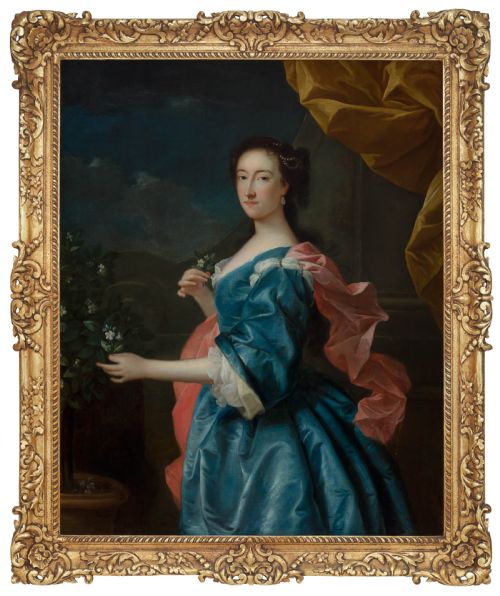
Sir Peter Lely·Joseph Vivienne·Thomas Murray·Achille Bron
The Antique Gilt Carving Glossary
- Giltwood
- Timber coated with gold leaf over a prepared ground layer. This material catches ambient light effectively in historic interiors.
- Gesso
- A dense mixture of plaster and glue binder applied to wood carivngs to create a smooth base for gilding. It allows for sharp relief modeling.
- Foxing
- Age-related spots and discolouration within the silver backing of old mirror glass. This chemical alteration creates a characteristic mottled reflection.
- Pier glass
- A tall narrow mirror designed to hang on the wall space between windows. It maximised natural light in formal rooms.
- Cartouche
- An ornamental tablet or frame resembling a rolled-up piece of parchment, often featuring prominently in Rococo carving. It serves as a central decorative cartouche for heraldry or scrolls.
- Console table
- A wall-mounted table supported by brackets or ornamental legs rather than four independent vertical posts. These often accompanied matching wall mirrors.
Antique Gilt Carving: Frequently Asked Questions
Should I clean original foxed mirror glass?
Original mirror glass with foxing and age spots should be left untouched. Cleaning away the dark patches removes the authentic historical character and patina accumulated over centuries.
Gentle dusting of the gilded frame with a soft dry brush is sufficient maintenance. Avoid liquid glass cleaners that might seep behind aged bevelled edges and damage the backing.
How do I identify a Rococo revival piece?
Rococo revival items feature asymmetrical C-scrolls, naturalistic floral garlands, and flowing organic motifs. These nineteenth-century reinterpretations emulate earlier eighteenth-century French exuberance with heavier construction methods.
Examine the backboards, joinery, and composition ornament to distinguish a nineteenth-century revival piece from an original piece of the seventeen hundreds.
Can I place a gilt console table without fixing it to the wall?
Console tables designed with front legs often rely on wall fastenings for absolute stability. The carved brackets and upper frames frequently require attachment to the plasterwork to prevent tipping.
Check the underside and rear framing for original fixing lugs or bracket holes. Proper wall attachment protects fragile giltwood components from accidental knocks.