
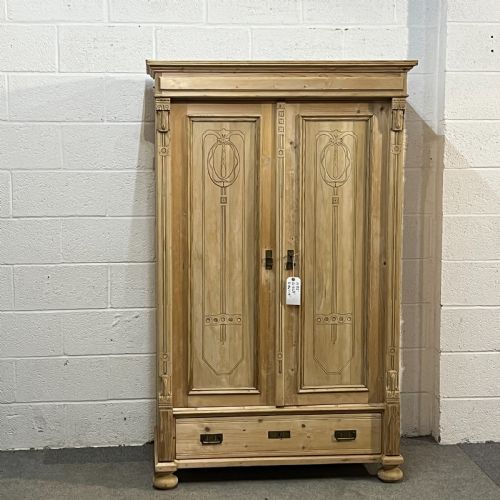


Antique Gents Wardrobe
An antique gents wardrobe offers fitted compartments and hanging space, designed specifically to organise gentleman's attire.
Antique Gents Wardrobe
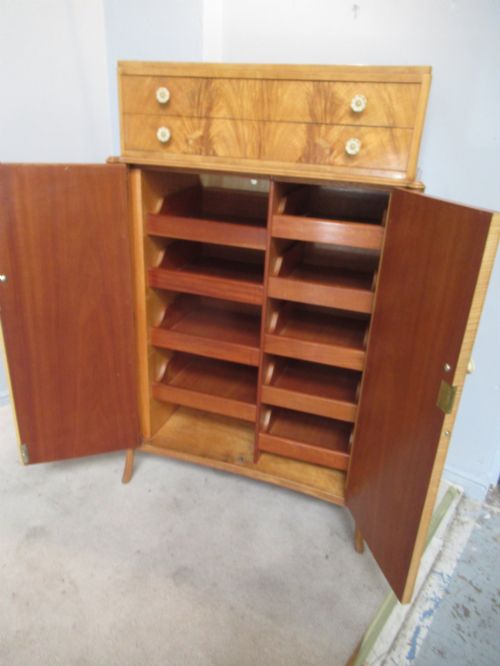
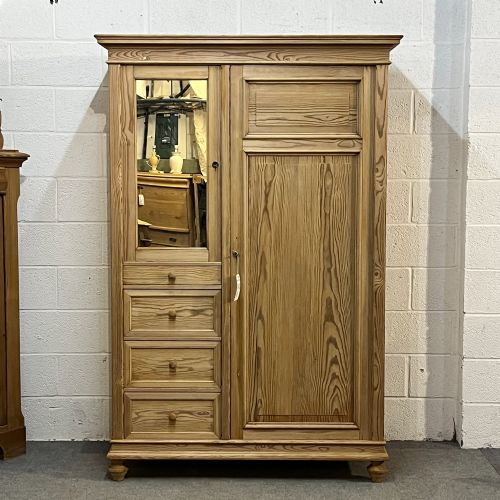
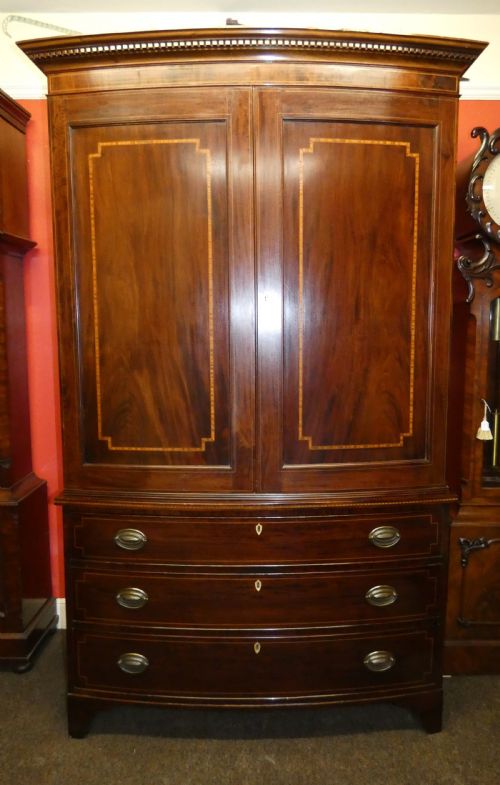
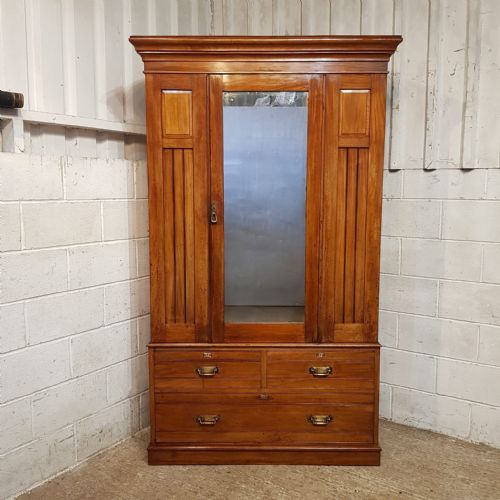
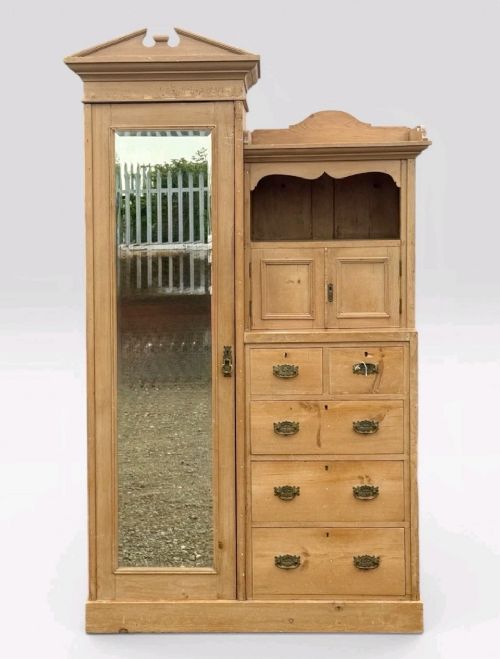
When you search for an antique gents wardrobe, you encounter substantial storage furniture designed to hold men's clothing systematically. These pieces often take the form of compactums, combining hanging sections with internal drawers, shelves, and linen presses.
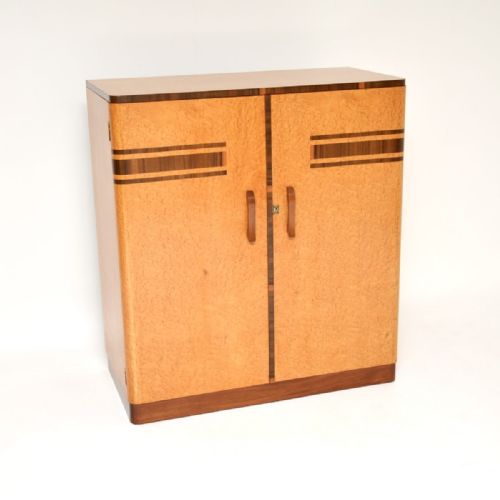
The selections span multiple eras, with Edwardian and 1920s examples appearing frequently alongside Victorian and 1930s pieces. Common woods include mahogany, burr walnut, oak, and pine, reflecting the stylistic shifts from ornate Victorian designs to clean Art Deco lines.
How they were made
Cabinet makers constructed these wardrobes using solid timbers and decorative veneers such as burr walnut, satinwood, and mahogany applied to sturdy carcases. Brass hardware and glass mirrors frequently complete the assembly, while internal fittings involve precise joinery to create modular drawers and sliding trays.
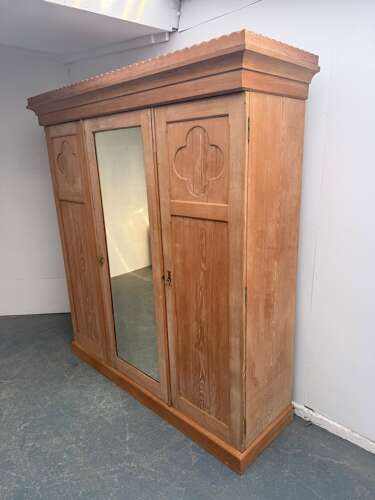
Surface treatments vary from polished finishes that highlight natural wood grain to painted or waxed rustic pine surfaces. Construction methods incorporate panelled doors, bow fronts, and fitted interior compartments tailored for specific garments.
Listings feature woods spanning mahogany, burr walnut, oak, pine, satinwood, and walnut across styles from Victorian to Art Deco.
What varies in quality
The standard of timber selection and veneer matching largely dictates the calibre of a piece, particularly in burr walnut and mahogany models. Superior examples display thoughtful grain alignment across large surfaces and intricate inlaid detailing.
Internal engineering also differentiates the range, as fitted compartments with smooth-running drawers, quality brass hooks, and robust locking mechanisms indicate superior workshop execution compared to simpler utility builds.
Heals of London
The Antique Gents Wardrobe Glossary
- Compactum
- A multi-compartment wardrobe combining hanging space, drawers, and sometimes shelves or linen presses within a single footprint.
- Linen press
- A piece of furniture featuring upper cupboard doors enclosing sliding trays and lower drawers for textile storage.
- Bowfront
- A curved cabinet front that swells outward in the centre, often seen on Art Deco and 19th-century wardrobes.
- Chifferobe
- A hybrid storage piece combining elements of a wardrobe and a chest of drawers.
- Inlay
- A technique where contrasting woods or materials are set into the surface to form decorative patterns.
Antique Gents Wardrobe: Frequently Asked Questions
How do I fit a gents wardrobe in a modern bedroom?
These pieces require careful measurement of ceiling height and floor space before placement. Many models dismantle into sections or feature modular internal fittings that ease transportation and assembly in tighter contemporary rooms.
Position the wardrobe away from direct heat sources to protect timber and veneers from drying out. Utilise the internal hanging rails and drawers for daily clothing storage just as original owners intended.
What is the difference between a wardrobe and a compactum?
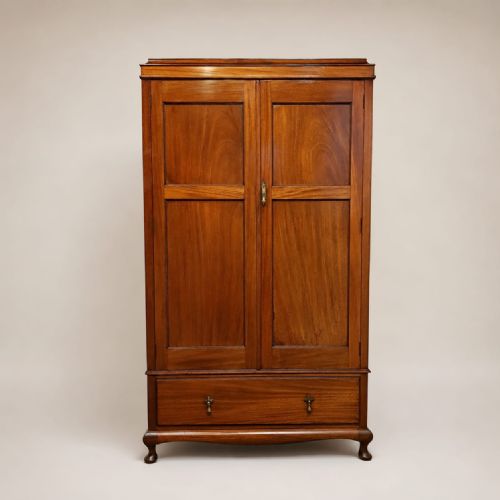
A standard wardrobe primarily provides vertical hanging space behind large doors, occasionally featuring a single bottom drawer. A compactum integrates multiple storage formats, combining hanging areas with internal banks of drawers, sliding trays, and compartments.
This hybrid design makes compactums particularly practical for folding garments and accessories. They represent a significant portion of the fitted storage options found in the evidence.
How can I tell Edwardian wardrobes apart from Victorian ones?
Victorian examples often display heavier proportions, darker finishes, and dense carved ornamentation in woods like mahogany or walnut. Edwardian pieces generally shift toward lighter aesthetics, incorporating satinwood, simpler lines, and delicate inlay work.
Pine items from both periods frequently serve rustic country functions with simpler painted or waxed surfaces. Examining the interior construction and secondary woods helps confirm the likely era of manufacture.
Were these wardrobes designed only for men?
Gents wardrobes were traditionally proportioned with specific internal divisions tailored for men's suiting, waistcoats, and shirts, often alongside matching ladies' wardrobes in paired sets. Despite the historical designation, the internal compartments accommodate modern clothing storage needs regardless of gender.
The inclusion of linen presses and trouser slides distinguishes them from standard single or double wardrobes. These specialised fittings highlight their original purpose as comprehensive gentleman's outfitters.