

Antique Garnet Jewelry
Antique garnet jewellery spans centuries of deep red stones set in gold, offering collectors rich colour and historic craftsmanship.
Antique Garnet Jewelry
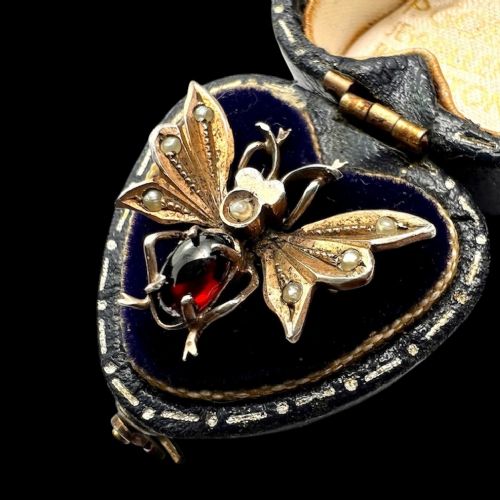
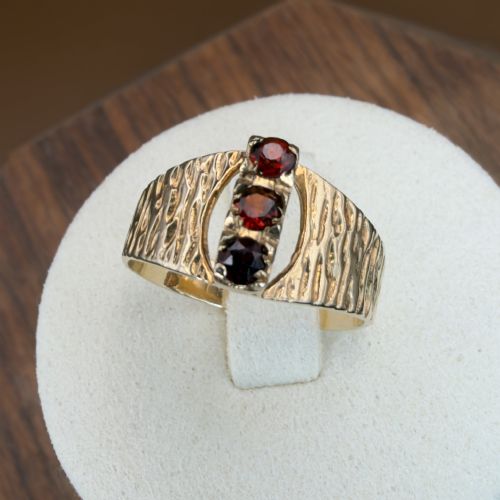
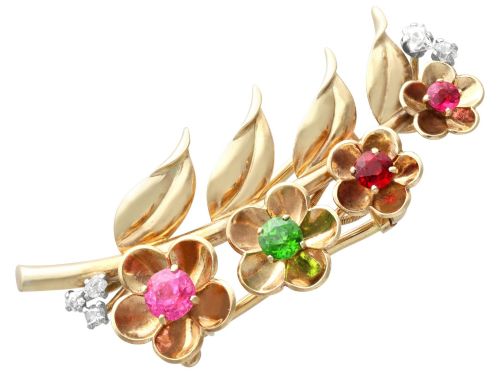
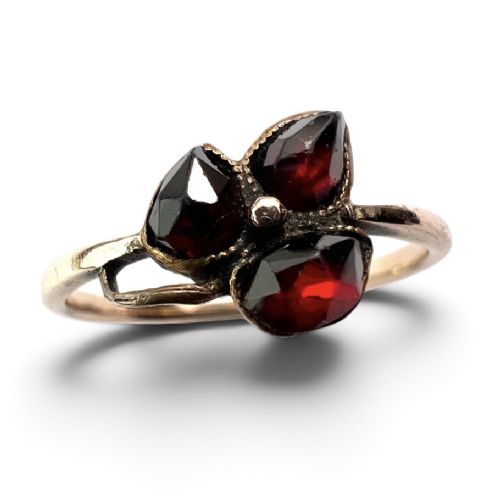
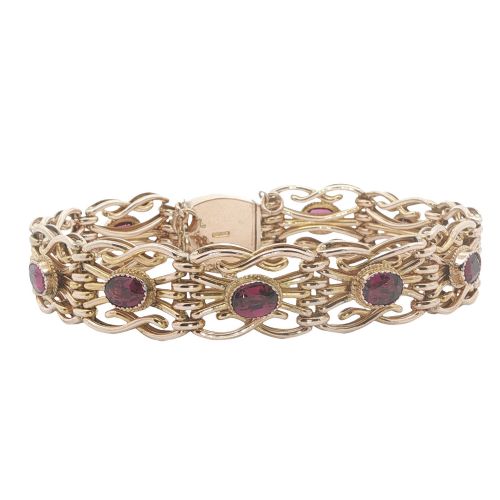
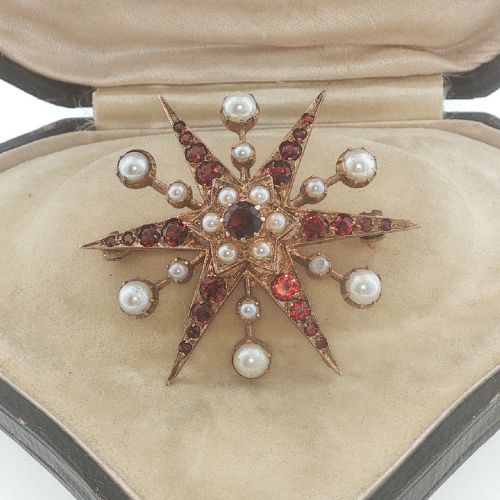
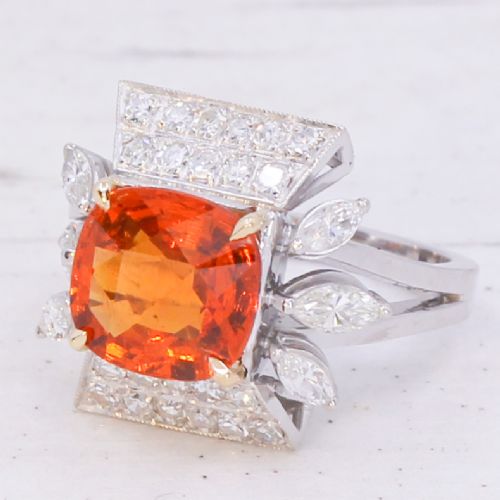
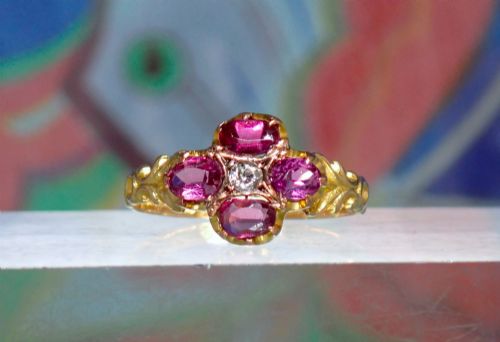
The version you are most likely to meet on this page is the Victorian ring or brooch, mounted in nine-carat or fifteen-carat gold and featuring clusters of deep red garnets. These pieces survive in substantial numbers because nineteenth-century workshops produced them in vast quantities for a growing middle-class market. Alongside rings, you will regularly find starburst brooches, fringe necklaces, and locket pendants from the same era.
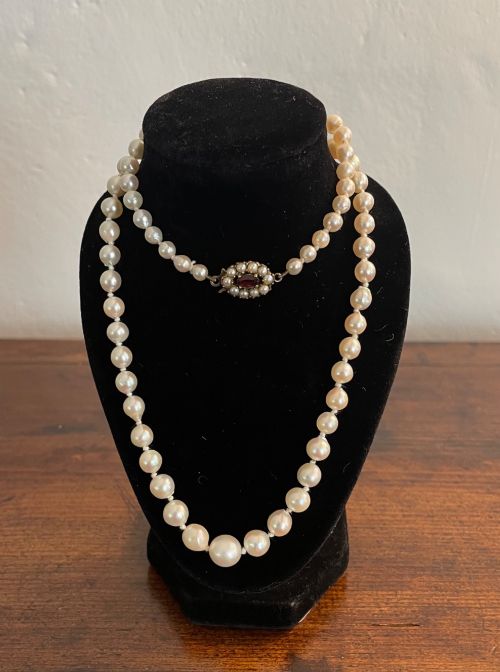
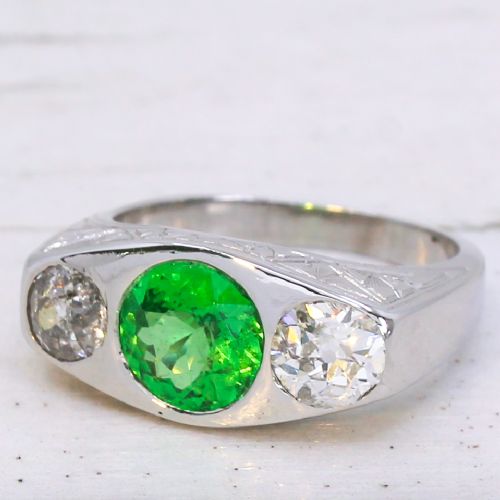
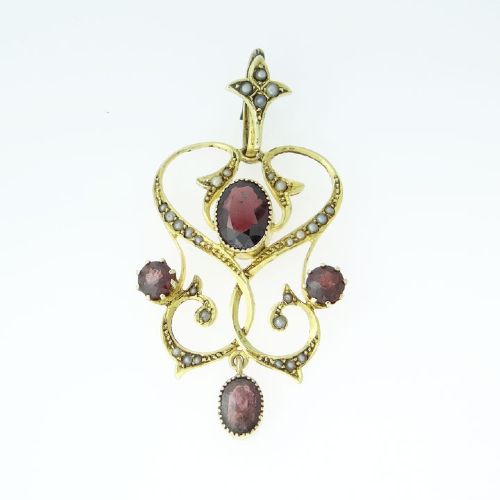
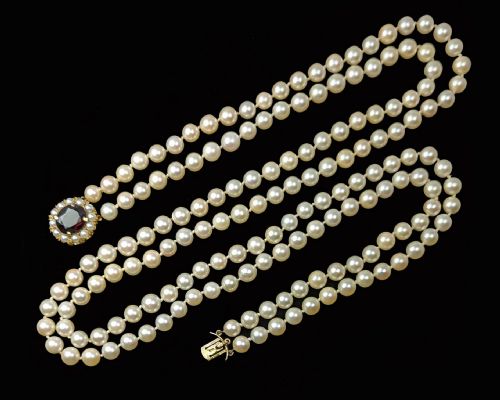
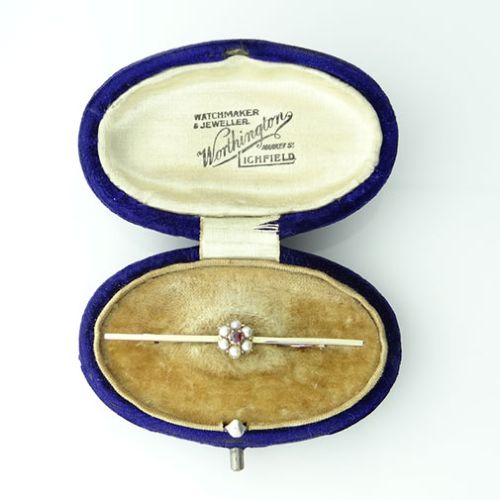
Garnets also appear paired with seed pearls in heart and clover motifs, or set alongside diamonds in cluster rings that demonstrate the durability of the material. Whether mounted in silver-gilt settings or solid eighteen-carat gold, the stones retain their dark reddish glow without fading over time. The selection reflects changing tastes from the heavy ornamentation of the nineteenth century to the lighter styles of the twentieth.
Materials and Techniques
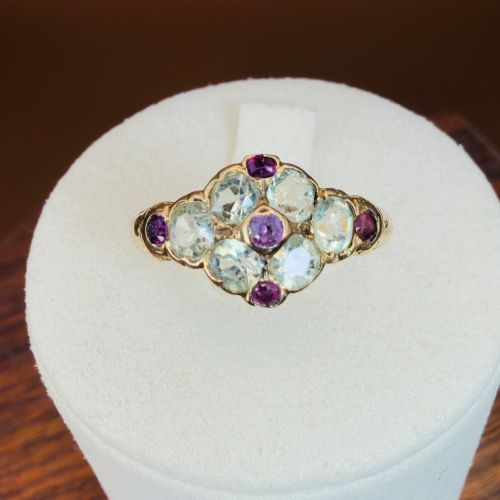
Makers set garnets into varying purities of gold, predominantly nine-carat, fifteen-carat, and eighteen-carat, alongside silver and silver-gilt mounts. Yellow and rose gold dominate the nineteenth-century pieces, providing a warm foil for the dark red stones, while platinum and white metals emerge in later decades. Stones are cut as cabochons, table cuts, or old mine cuts depending on the period, and secured in claw settings, closed-back foils, or flush rub-over mounts.
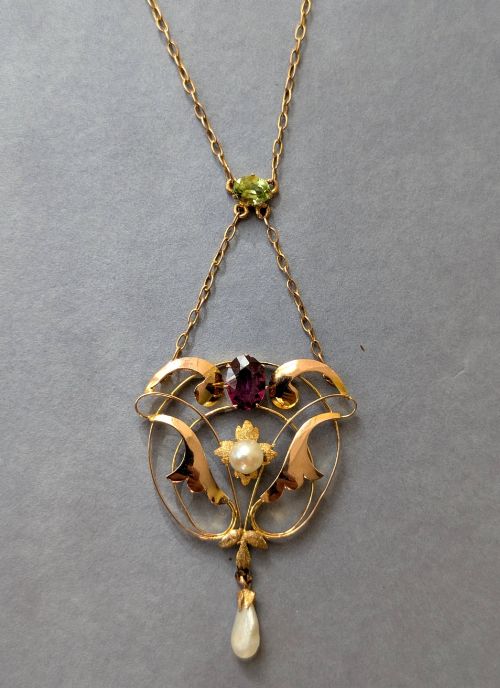
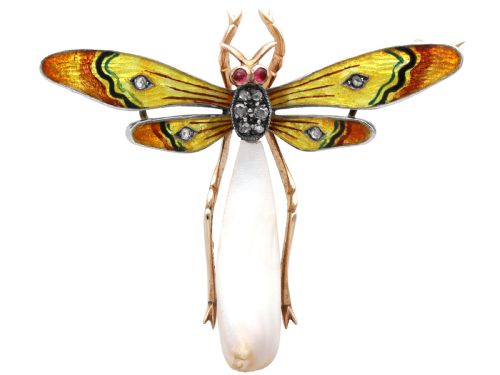
Intricate detailing defines the construction, utilising wirework, granulation, and filigree to build up Etruscan revival and Holbeinesque designs. Enamel work, both guilloche and opaque, frequently frames the central garnet clusters in brooches and pendants. Natural cultured pearls and small diamonds are often integrated into the designs using claw or star-setting techniques.
Antique Garnet Jewelry Retail Price Guide 2026
Typical asking prices for garnet jewelry among the pieces listed under this phrase on Sellingantiques today, from the lower quarter to the upper quarter. They describe what is for sale here now, not the wider market.
The inventory combines Victorian Etruscan revival lockets and Edwardian fringe necklaces with mid-century cultured pearl clasps and diamond cluster rings.
Gradations of Quality
Quality rests heavily on the depth and saturation of the garnet colour, alongside the precision of the metalwork supporting the stones. Superior examples display clean stones with high brilliance and well-preserved granulation or repoussé work on the gold surface. Poorer specimens rely on heavy, closed-back settings to mask dull or dark stones that lack internal light return.
The integrity of the mounting and the originality of the components dictate the standing of a piece within its period. Hand-forged mountings with crisp wirework and secure, intact stone settings command greater respect than mass-produced pieces with worn prongs or replaced stones. The presence of hallmarks and makers' marks further separates ordinary workshop output from finer atelier pieces.
Cartier
The Antique Garnet Jewelry Glossary
- Almandine garnet
- A dense, deep red variety of garnet rich in iron and aluminium, frequently seen in Victorian cluster rings and bracelets. Its dark tone absorbs light readily, producing a characteristic brooding crimson hue.
- Cabochon
- A gemstone cut with a smooth, rounded, convex upper surface rather than faceted planes. This style highlights the natural depth of the stone and appears frequently in nineteenth-century garnet brooches and rings.
- Etruscan revival
- A nineteenth-century design movement inspired by ancient Greek and Etruscan jewellery excavated at the time. It is characterised by elaborate gold wirework, granulation, and applied filigree surrounding central garnet gems.
- Holbeinesque
- A Victorian revival style of pendant and necklace design mimicking sixteenth-century Holbein portraits. These pieces incorporate heavy gold framing, suspended pearls, enamel, and prominent central garnet or gem clusters.
- Carbuncle
- An old term for a cabochon-cut garnet or other red gemstone, often mounted in heavy gold during the mid-nineteenth century. The term evokes the glowing appearance of a live coal in dim light.
Antique Garnet Jewelry: Frequently Asked Questions
How do I clean antique garnet jewelry?
Clean antique garnet pieces gently using a soft brush and warm soapy water, avoiding harsh chemical dips or ultrasonic cleaners that can damage soft gold or foil-backed stones.
Dry the pieces thoroughly with a soft cloth to prevent moisture from settling in the delicate wirework or around pearl settings.
Are antique garnets fragile?
Garnets possess a moderate hardness on the Mohs scale, making them durable enough for daily wear when set securely in rings or brooches. However, older settings can loosen over time, so regular inspection by a jeweller helps prevent stone loss.
Care should be taken to avoid sharp knocks against hard surfaces, particularly with cabochon-cut stones that expose more surface area.
How can I tell a Victorian garnet from a modern one?
Victorian garnets often feature hand-cut facets, closed-back foils, or deep cabochon profiles that differ from the uniform machine-cut stones of later eras. The surrounding gold work typically exhibits low-carat alloys or rosy hues characteristic of nineteenth-century metallurgy.
Examining the piece with a loupe reveals tool marks and hand-beveled edges absent in mass-produced twentieth-century reproductions.
Did Victorians wear garnets for mourning?
Deep red almandine garnets were frequently chosen for mourning and remembrance jewellery due to their dark, sober colour palette. They paired well with black enamel and jet, reflecting the sombre aesthetic popular during the later years of Queen Victoria's reign.
These pieces often incorporated hair compartments or commemorative inscriptions at the reverse of the setting.