




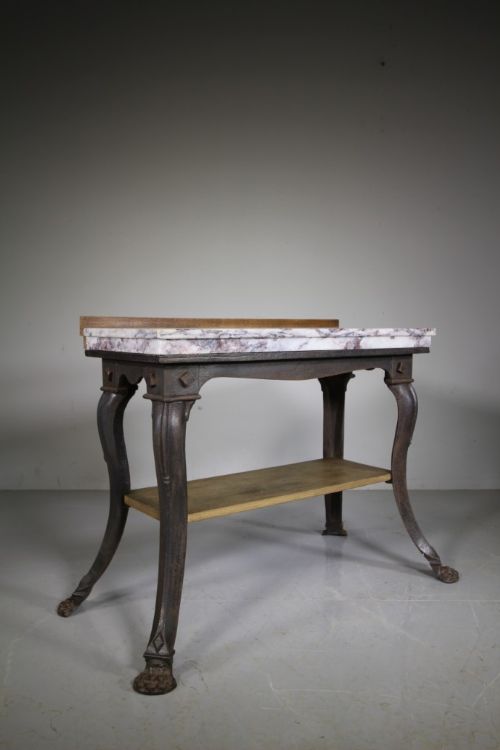
Antique Garden Stand
An antique garden stand lifts potted plants and urns above the lawn, bringing architectural weight to terraces and conservatories through cast iron and wirework.
Antique Garden Stand
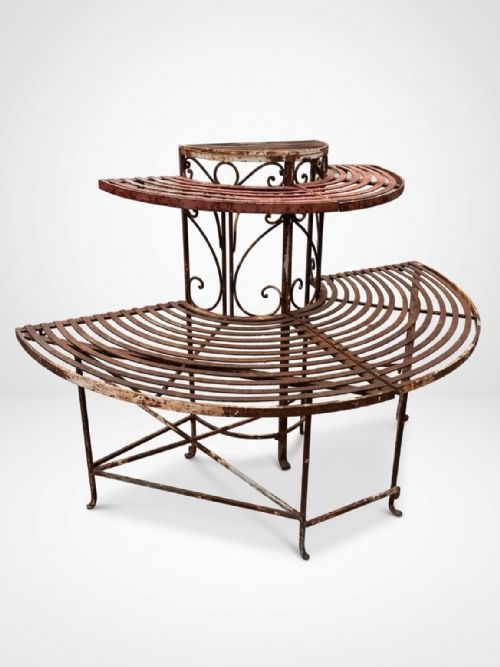
When you search for an antique garden stand, you encounter functional ironwork and stone supports designed to elevate greenery in outdoor spaces and conservatories. These pieces range from multi-tiered wirework frames to robust cast iron pedestals and columns dating primarily from the nineteenth century.
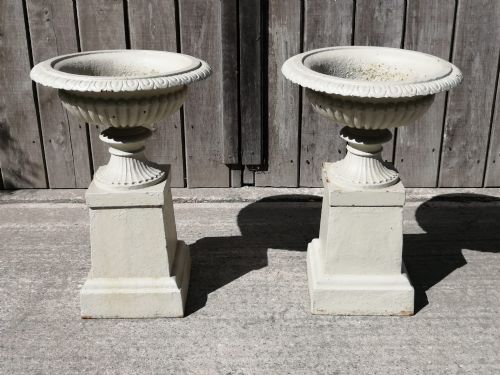
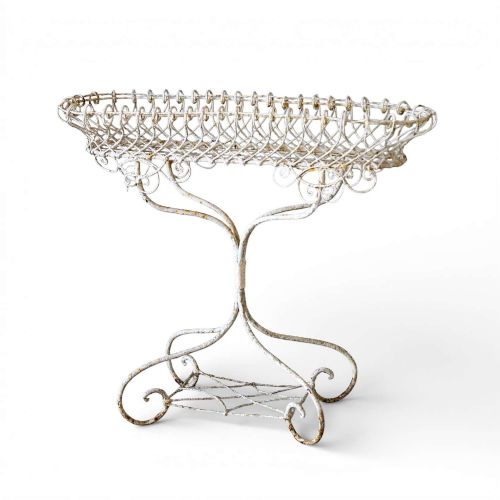
The version you are most likely to meet on this page is the Victorian or Edwardian plant stand, often fashioned from black-painted cast iron or intricate wirework. Alongside these, you find column planters, stone plinths, and occasional French country or Neoclassical variants intended for patio display.
How they were made
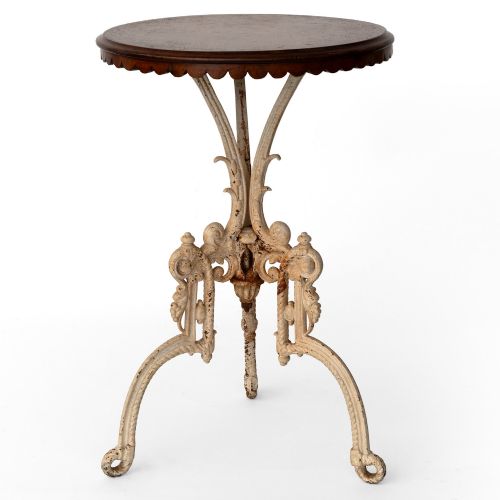
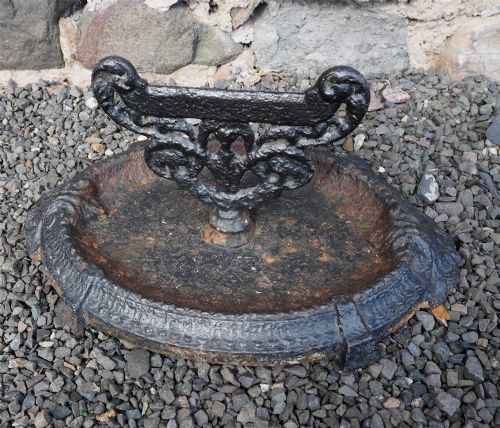
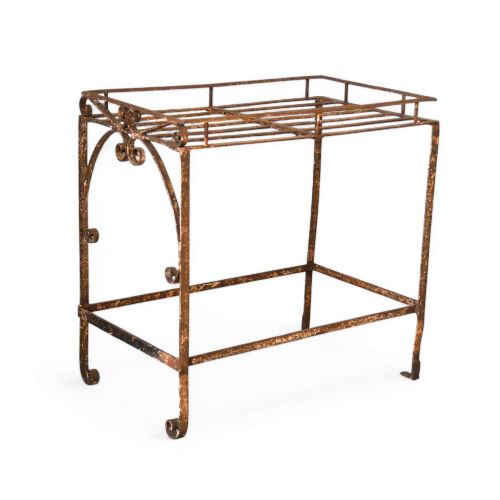
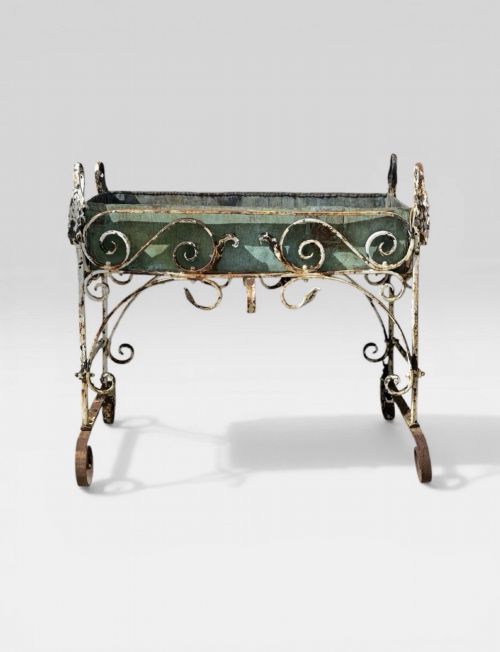
Makers utilised durable metals such as wrought iron and cast iron, shaping them through forging, casting, and wire-bending techniques. Cast iron components allowed for ornate decorative details like acanthus leaves and lattice baskets, while estate-made wrought iron relied on hand-formed scrollwork.
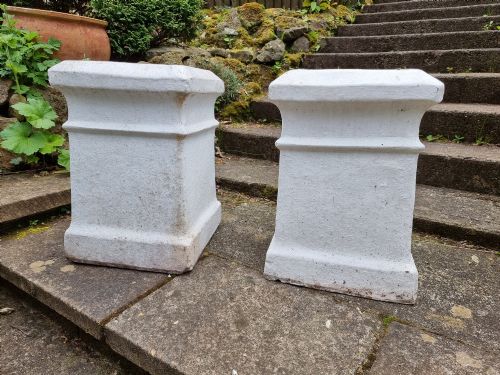
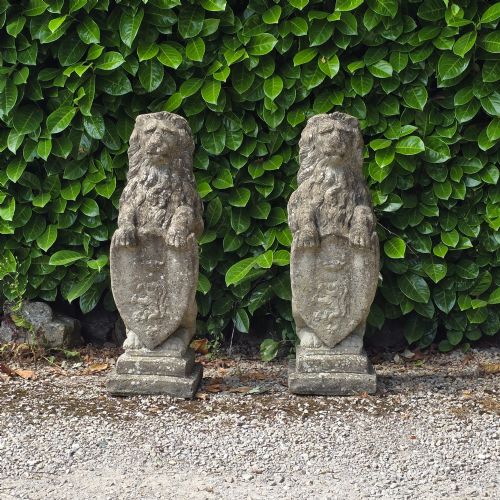
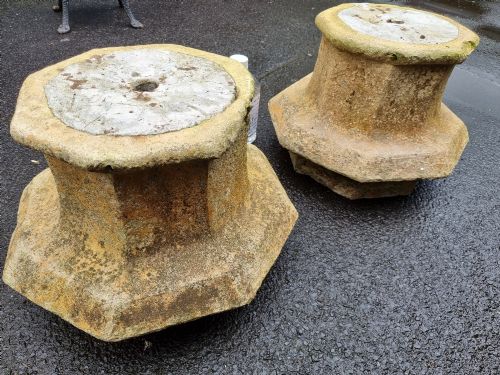
Rigid supports were also constructed from composite stone, terracotta, and limestone, frequently moulded or carved into plinths and urn stands. Paint and glaze finishes were applied to protect surfaces from outdoor weathering while adding visual character.
Antique Garden Stand Retail Price Guide 2026
Typical asking prices for garden stand among the pieces listed under this phrase on Sellingantiques today, from the lower quarter to the upper quarter. They describe what is for sale here now, not the wider market.
Listings feature materials ranging from cast iron and wrought iron to limestone, terracotta, and wirework across the nineteenth century.
What varies in quality
The distinction between ordinary utility items and superior examples lies in the finesse of the metalwork and the structural integrity of the frame. Heavier cast iron pieces with crisp moulding and well-defined decorative details sit at the higher end of the scale.
Workmanship also separates mass-produced items from estate-made or artist-designed pieces, where hand-forged scrollwork or balanced wirework tiers demonstrate greater care. Original surface treatments, such as weathered paint or natural patination, contribute significantly to the visual weight of the stand.
Coalbrookdale·John Riley·John Closterman·Minton
The Antique Garden Stand Glossary
- Wirework
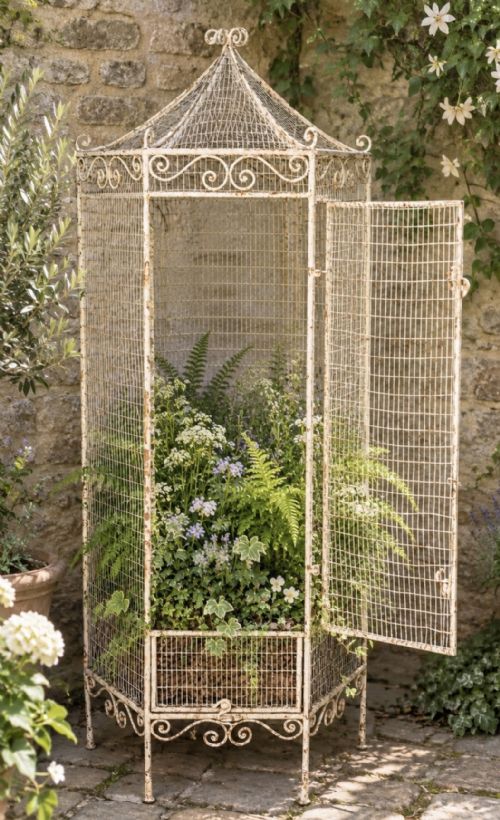
- Metal strands bent and welded into lightweight, open frames for holding plants. This technique defined many Victorian conservatory stands.
- Campana Urn
- A bell-shaped garden vessel often mounted on a pedestal stand. These classical forms appeared frequently in nineteenth-century iron and stone.
- Plinth
- A heavy stone or iron base supporting a statue, urn, or column. They elevate garden ornaments above ground level.
- Jardiniere
- An ornamental pot or stand for holding plants or flowers. French examples frequently incorporate decorative metalwork or liners.
- Scrollwork
- Curved ornamentation shaped into spiral scrolls, seen on wrought iron plant stands. It provides both structural bracing and visual detail.
Antique Garden Stand: Frequently Asked Questions
What is an antique garden stand used for?
These stands serve primarily to elevate potted plants, urns, and jardinieres, allowing trailing foliage and blooms to catch the light. In nineteenth-century homes, they brought greenery indoors to conservatories and antechambers.
Outside on terraces and lawns, taller pedestals and columns framed garden vistas and supported heavy stone planters. They act as architectural punctuation in planting schemes.
How do I care for iron garden stands?
Cast and wrought iron pieces benefit from gentle cleaning to remove dirt and debris without disturbing the aged surface. Applying a protective wax or specialised metal coating helps prevent active corrosion.
During harsh winter months, moving delicate wirework or painted stands indoors protects them from freezing moisture. Stoneware and terracotta stands should also be sheltered from frost to prevent cracking.
How do I identify Victorian plant stands?
Victorian examples frequently employ heavy black-painted cast iron or intricate wirework tiers. Look for characteristic nineteenth-century motifs such as scrollwork, lattice baskets, and classical acanthus leaves.
Construction methods also help with dating, as machine-cast components and estate-made wrought iron reflect the industrial capabilities of the period. Patination on the paint layers usually confirms considerable age.
Can I use these stands indoors?
Many garden stands, particularly wirework conservatory pieces and painted iron plant tiers, were designed precisely for indoor or sheltered glasshouse use. They integrate smoothly into modern interiors as display surfaces for houseplants.
Heavier stone plinths and cast iron urns work well inside if placed on suitable protective flooring. Their architectural presence suits hallways, garden rooms, and living spaces alike.