





Antique Garden Plant Stands
These antique garden plant stands bring heavy ironwork, weathered terracotta and glazed ceramics from nineteenth-century conservatories straight to the terrace.
Antique Garden Plant Stands
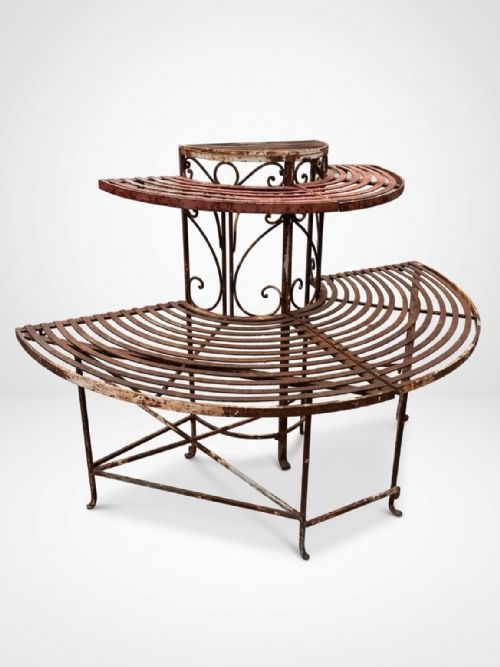
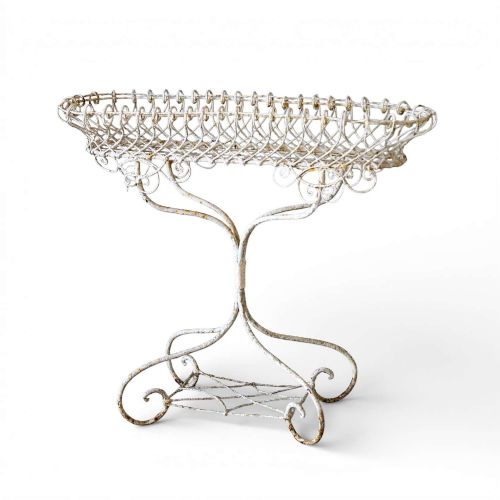
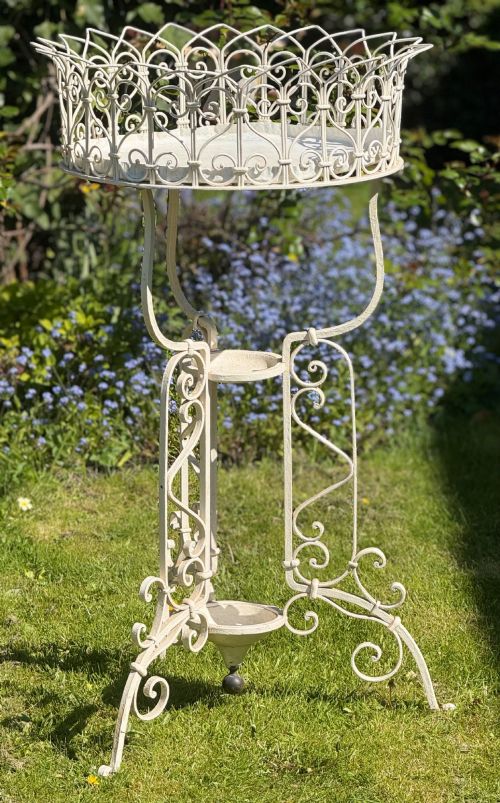
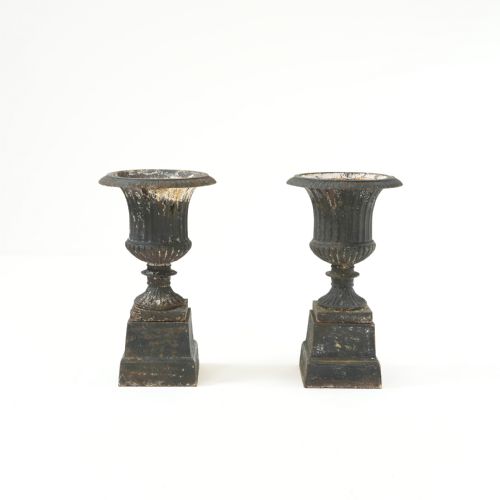
When you search for antique garden plant stands, you encounter tiered wirework frames, heavy cast iron urns, and scrolling wrought iron supports designed to elevate pots in nineteenth-century glasshouses and sheltered yards. Victorian examples often utilise multiple tiers or basket tops to hold cascading foliage, reflecting a period passion for conservatory botany.
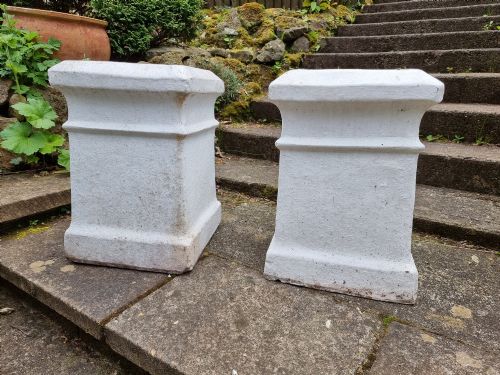
The selection extends to display columns, earthenware pedestals, and glazed ceramic seats that double as plinths for heavy pots. Many pieces hail from the nineteenth century, though Edwardian wirework and later twentieth-century iterations also appear to service the enduring demand for raised garden display.
Materials and Construction
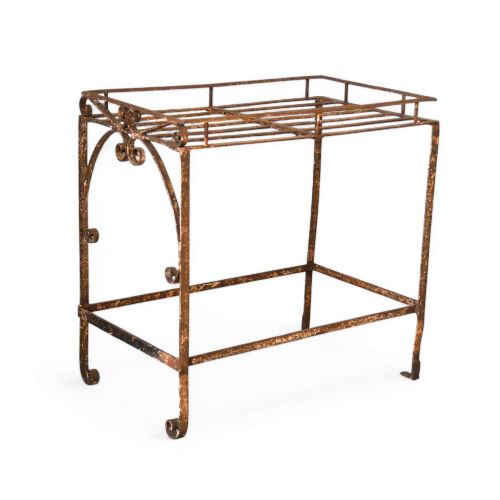
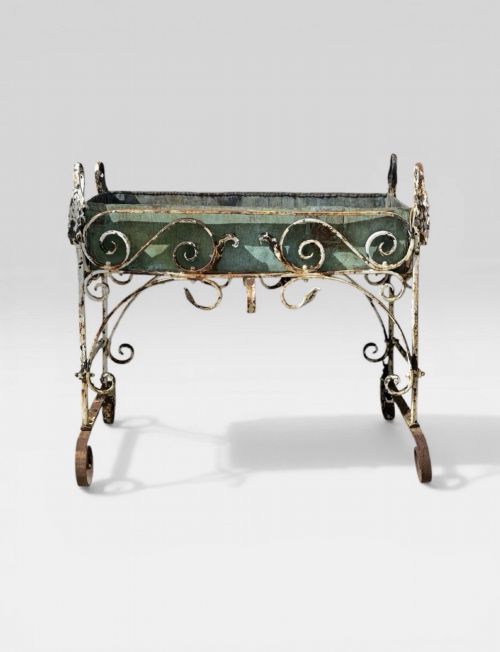
Makers utilised cast iron for robust columns and campana urns, pouring molten metal into sand moulds to achieve crisp relief details and sturdy load-bearing pedestals. Wrought iron was laboriously heated and hammered by hand to form scrolling brackets, lattice baskets, and slender conservatory racks.
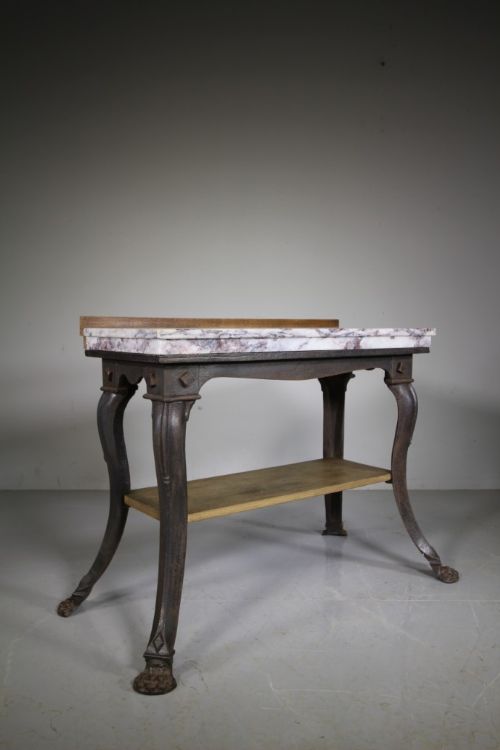
Terracotta, stoneware, and creamware provided moulded earthen surfaces for display columns and garden seats, frequently finished with paint or botanical glazes. Timber appears in golden oak and rustic pine for indoor garden rooms, while ironwork frameworks frequently display layers of historic paint over riveted joints.
Antique Garden Plant Stands Retail Price Guide 2026
Typical asking prices for garden plant stands among the pieces listed under this phrase on Sellingantiques today, from the lower quarter to the upper quarter. They describe what is for sale here now, not the wider market.
Listings feature nineteen-century wrought iron, cast iron, terracotta, and glazed earthenware across Victorian and Edwardian conservatory forms.
Assessing Quality and Execution
Superior execution shows in the precision of cast iron relief ornament and the fluidity of hand-forged scrollwork on iron wirework and wrought frames. Heavier gauges of iron and denser terracotta bodies denote robust construction intended to withstand decades of heavy pots and damp outdoor conditions.
The distinction between standard utility items and finer conservatory pieces lies in decorative ambition, such as intricate lattice baskets, matching pairs, and retained layers of early paint. Simpler estate-made racks possess a direct utility, whereas designed foundry pieces display balanced proportions and refined architectural detailing.
Minton
The Antique Garden Plant Stands Glossary
- Wrought iron
- Iron that has been heated and hammered into shape by hand. This material yields flexible, strong scrolls and brackets for plant stands.
- Campana urn
- A bell-shaped garden vessel mounted on a socle base and plinth. These often serve as elevated planters or top elements on plant stands.
- Wirework
- Construction formed from interwoven or welded metal wire. It creates lightweight, tiered conservatory plant stands for trailing plants.
- Jardiniere
- An ornamental pot or stand designed to hold a plant or flower arrangement. They appear in ceramic, wood, and iron across nineteenth-century interiors.
- Creamware
- A refined earthenware developed in England with a pale yellowish glaze. It provides a smooth surface for garden seats and decorative vessels.
Antique Garden Plant Stands: Frequently Asked Questions
How do I use an antique plant stand outdoors?
Iron and stone stands handle sheltered patios and gardens well, though winter storage prevents frost damage to porous terracotta and glazed surfaces.
Position them on level paving or gravel to ensure stability for heavy planted pots and urns.
What is the difference between cast and wrought iron?
Cast iron is poured into moulds, resulting in rigid, heavy forms with decorative relief details like urns and columns. Wrought iron is hammered by hand into flexible scrolls, lattice baskets, and slender frames.
Cast iron offers massive weight and structural permanence, while wrought iron provides intricate linear bracing.
How do I date an iron plant stand?
Nineteenth-century examples often exhibit hand-riveted joints, heavy gauge iron, and traces of layered historic paint rather than modern welds. Victorian and Edwardian pieces frequently incorporate tiered wirework or classical revival motifs.
Examining construction methods and surface wear reveals whether a piece originates from the nineteenth century or later.
Can conservatory stands stay outside year round?
Conservatory wirework and painted iron stands tolerate mild outdoor conditions if protected from prolonged damp and harsh winter freezes. Lighter wire frames and wooden garden room tables benefit from being moved indoors during severe weather.
Checking the material thickness helps determine how well a specific stand withstands exposure.