

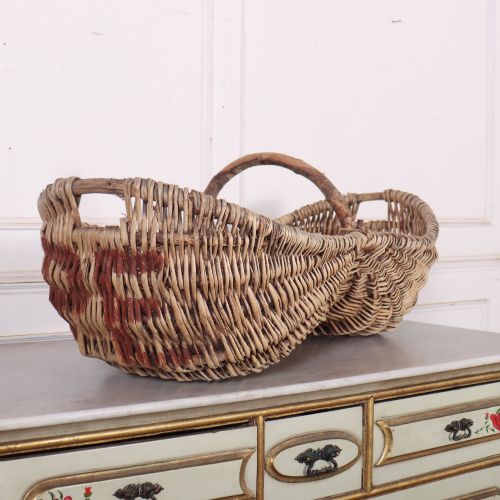


Antique Garden Basket
An antique garden basket brings history directly outdoors, offering robust utility and character through weathered copper, iron, and elm.
Antique Garden Basket
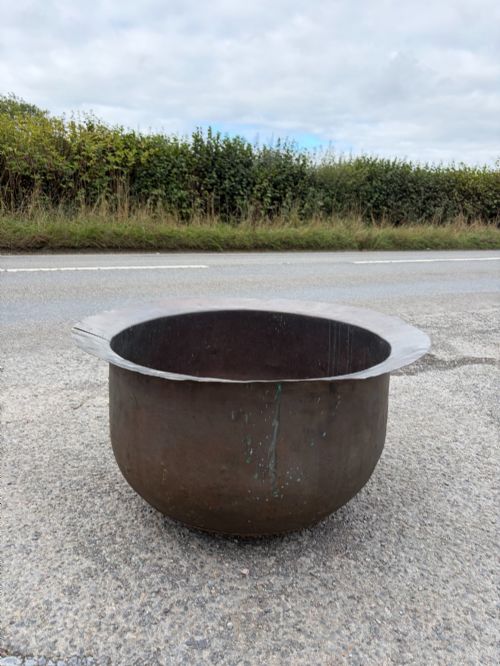
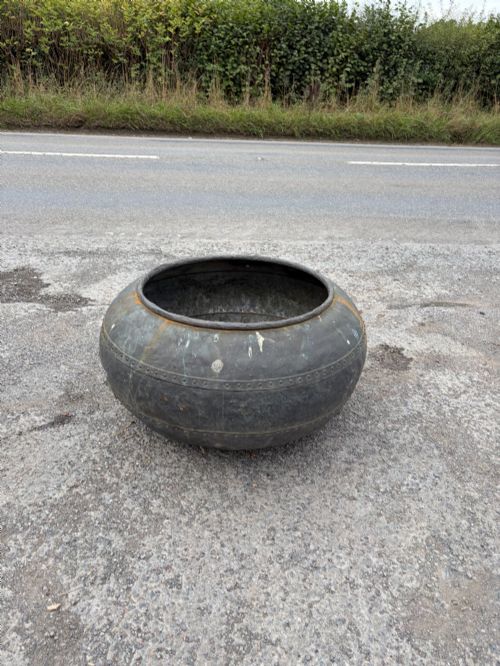
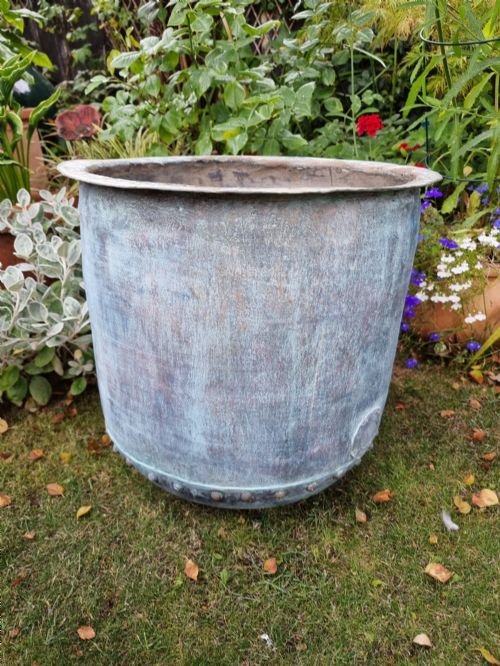
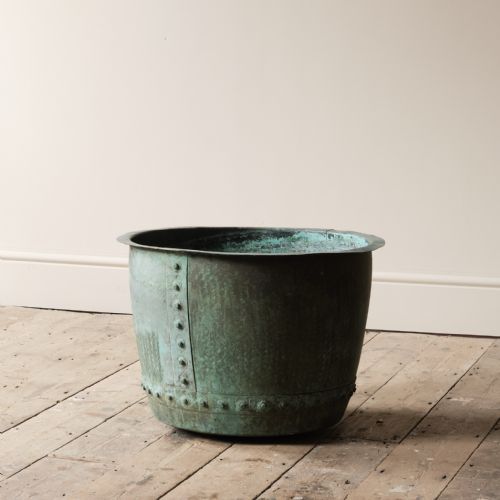
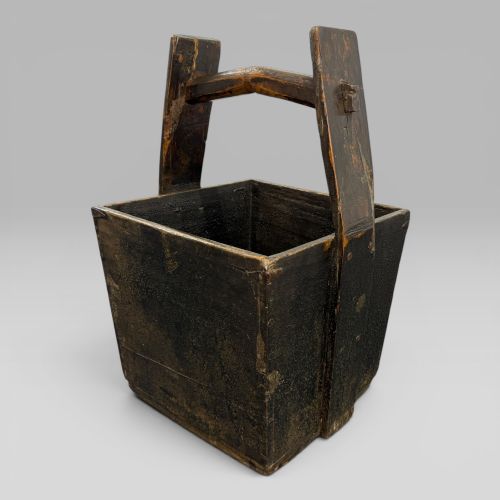
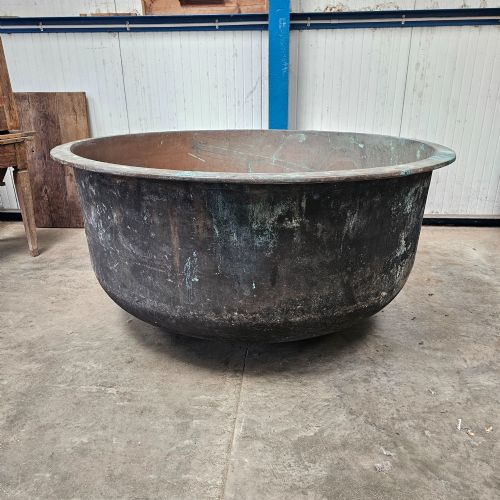
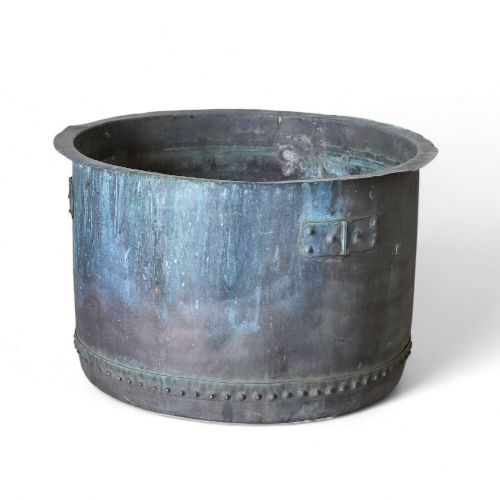
An antique garden basket encompasses heavy metal vessels, wood carriers, and stone containers designed for practical use or display outdoors. When you search for an antique garden basket, you encounter everything from riveted copper pots and cheese vats utilised as planters to elm harvest baskets and iron-bound trugs.
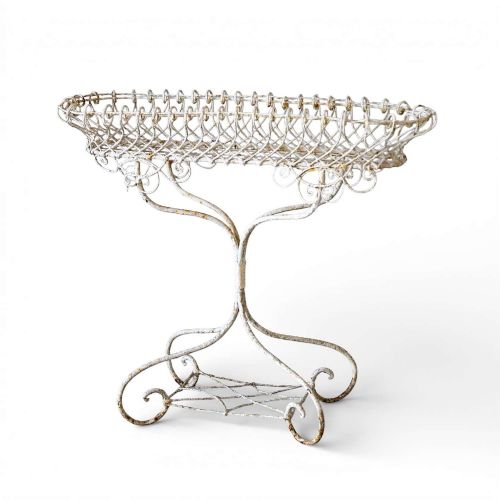
The pieces on this page lean heavily towards nineteenth-century copper containers, alongside wrought iron plant stands, wooden trugs, and carved stone baskets. These items span styles from Victorian industrial and rustic country to French and Chinese provincial origins, reflecting diverse historical domestic and agrarian uses.
How they were made
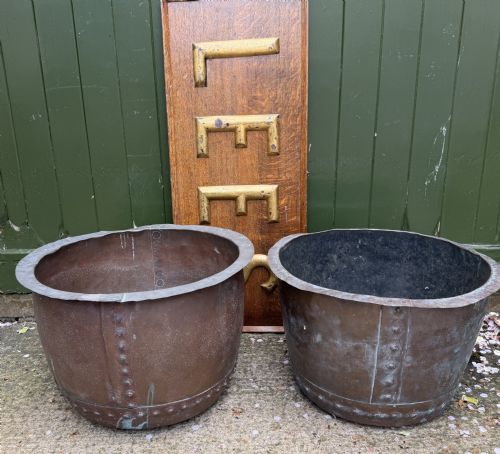
Metals such as copper and iron dominate the construction, often featuring hand-riveted seams, iron binding, and forged swing handles. Artisans shaped these robust materials to withstand heavy hauling of harvests, logs, or water.
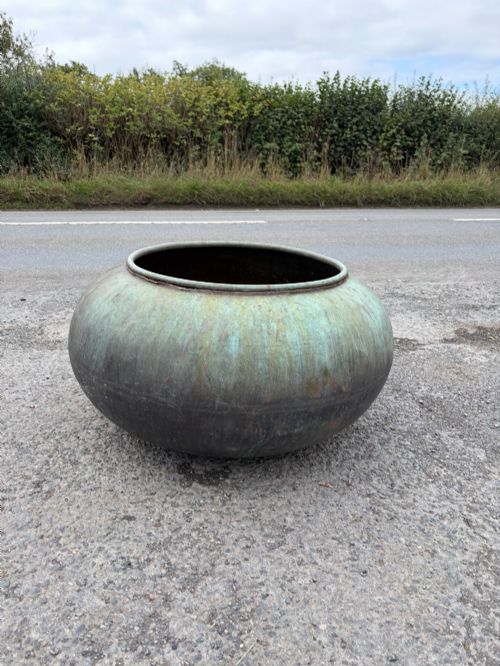
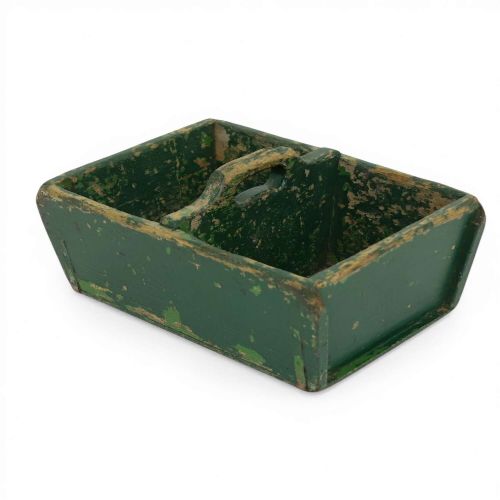
Wooden elements utilise elm and pine, shaped into harvest baskets and work boxes, while other examples employ carved stone or cast iron. Surfaces develop natural patinas, verdigris finishes, and weathered textures through age and exposure.
Listings feature items spanning the eighteenth, nineteenth, and twentieth centuries, with a strong concentration of nineteenth-century copperware and ironwork.
What varies in quality
Quality rests upon the integrity of construction, such as the precision of hand-riveting on copper vessels and the sturdiness of iron mounts. Better examples display balanced proportions, original handles, and substantial gauge metal rather than thin replacements.
The depth of natural patina and surface character also separate standard items from superior pieces. Original fixings, such as wrought iron swing handles and secure binding, preserve the historical authenticity of each container.
The Antique Garden Basket Glossary
- Trug
- A shallow horticultural container traditionally used for gathering fruit, vegetables, or garden tools. These are frequently constructed from wood with reinforced rims.
- Verdigris
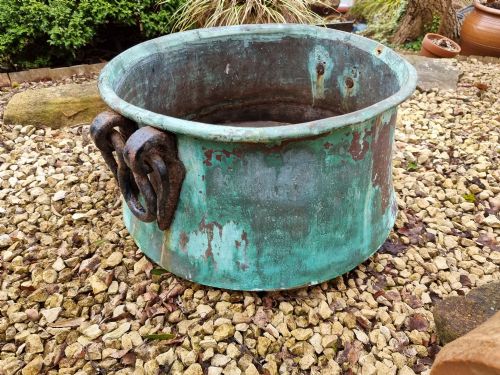
- A green patina or crust of copper carbonate formed on copper, brass, or bronze surfaces over time. This chemical reaction occurs due to atmospheric exposure.
- Riveted
- Joined together using metal bolts or pins hammered flat at the ends. This method secures heavy copper sheets and iron bands on large agricultural vessels.
- Cauldron
- A large metal pot with a wide opening and a swing handle, traditionally used for boiling or heating. In a garden context, these serve as substantial log bins or planters.
- Log bin
- A deep container designed for storing firewood near a hearth or stove. Many antique examples originate from large copper pots repurposed for domestic use.
Antique Garden Basket: Frequently Asked Questions
How were antique garden baskets used?
These vessels served demanding daily tasks such as carrying harvests, hauling logs, heating water, and gathering garden produce. Materials like copper, iron, and elm provided the durability required for agrarian and domestic labour.
Over time, many of these robust utility items transitioned into decorative garden planters, log bins, and plant stands. Their heavy construction allowed them to endure outdoor elements while holding soil, plants, or firewood.
How do I care for verdigris and patina?
The verdigris finish and natural patina on copper and iron represent decades or centuries of oxidation and weathering. Most collectors choose to preserve these surfaces rather than polish them away.
If placed outdoors, metal and stone pieces require minimal intervention, though wooden trugs benefit from sheltered storage during harsh winter months. Avoid abrasive cleaners that strip the historical surface texture.
Can these metal pots go outside?
Copper pots, iron stands, and stone baskets were built for robust environments and handle outdoor placement well. Their thick gauge metal and sturdy construction withstand weathering and soil containment.
Ensuring proper drainage prevents water accumulation during freezing weather, which protects older metal seams and stone from potential expansion damage.