





Antique Gaming Collectable
These antique gaming collectables are portable pieces of past leisure, offering tactile connections to traditional pastimes.
Antique Gaming Collectable
When you search for an antique gaming collectable, you encounter a varied assortment of nineteenth century and early twentieth century items connected to past pastimes and pursuits. These pieces range from turned wood treen and board game equipment to novelty sporting items.
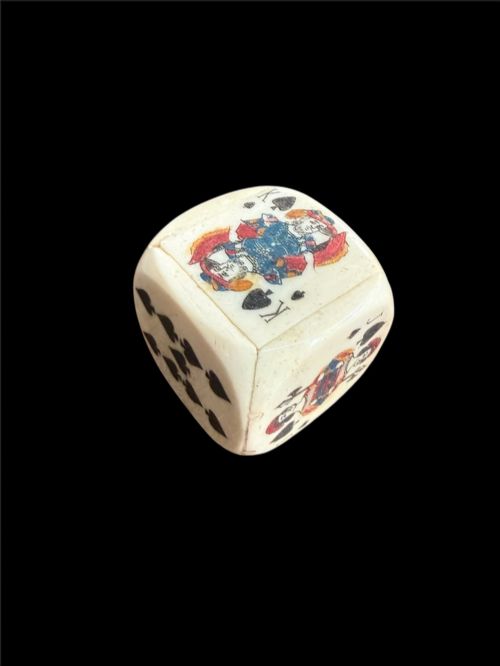
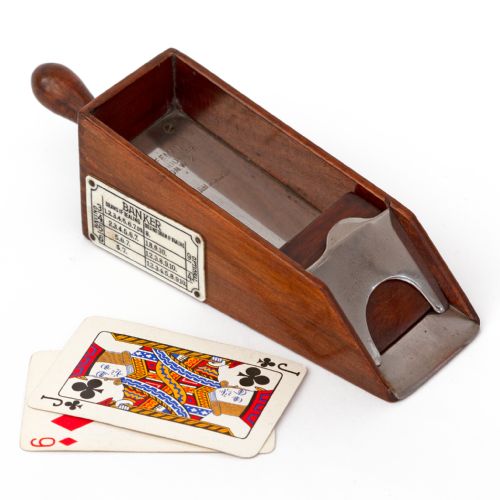
The objects span multiple eras, including Victorian, Edwardian, and nineteen thirties periods. You are likely to meet carved dice shakers, boxwood and ebony chess sets, horn cribbage boards, and miniature card shoes on this page.
Originating largely from English workshops, these collectables reflect domestic leisure and sporting habits of the nineteenth century and early twentieth century. Each item demonstrates the specific materials and decorative styles typical of its production period.
Materials and construction methods
Makers utilised traditional natural materials such as turned wood, boxwood, ebony, stag horn, and bone to shape gaming pieces and treen. These organic substances were carved, turned, and finished by hand to produce durable items for daily household use.
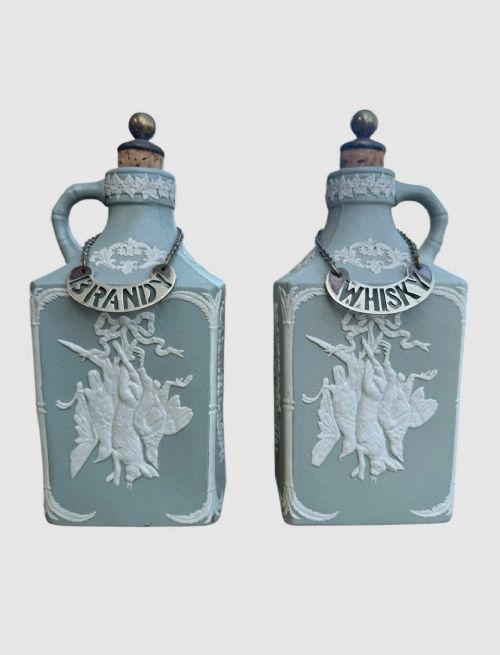
Metalworking and ceramics also feature across the selection, appearing as silver plate markers, tinplate sports figures, enamel badges, and jasperware spirit flagons. These diverse mediums required specialised casting, stamping, and glazing techniques appropriate to each craft.
Antique Gaming Collectable Retail Price Guide 2026
Typical asking prices for gaming collectable among the pieces listed under this phrase on Sellingantiques today, from the lower quarter to the upper quarter. They describe what is for sale here now, not the wider market.
A bird call masquerading as a pigeon whistle reminds us that Victorians enjoyed very specific noises.
Distinctions in craftsmanship and origin
Quality in these items rests upon the precision of the carving and the integrity of the materials, such as the sharp definition in turned boxwood and ebony chess pieces. Superior examples display careful handcrafting that retains its structural stability and surface crispness over time.
Attribution to known makers or specific historical events elevates certain pieces above standard utilitarian items. Items bearing maker signatures or direct connections to notable sporting events carry greater documentary interest for collectors.
Jaques·James Stinton
The Antique Gaming Collectable Glossary
- Treen
- Small handmade wooden objects for domestic use. This term covers items like turned dice shakers and bird calls.
- Cribbage board
- A scoring board used in the card game cribbage, traditionally pegged with holes. These boards were often shaped from animal horn or wood.
- Bilboquet
- A traditional cup and ball game of skill. Players attempt to catch the attached ball in the cup or on the spike.
- Card shoe
- A mechanical device used in casinos and card rooms to hold and dispense playing cards smoothly. Miniature versions were produced for home play.
- Jasperware
- A type of fine stoneware developed by Josiah Wedgwood, characterised by a matte surface and contrasting raised white reliefs.
Antique Gaming Collectable: Frequently Asked Questions
What is an antique gaming collectable?
An antique gaming collectable is a historical object associated with traditional board games, card games, or sporting pastimes. These items range from nineteenth century chess sets to Edwardian dice shakers.
They reflect the material culture of leisure and recreation from the Victorian era up through the nineteen thirties.
How were old gaming pieces made?
Makers constructed these items using traditional materials like boxwood, ebony, bone, horn, and silver plate. Skilled artisans turned, carved, and cast each piece by hand.
Workshop production ensured that items used for gaming possessed both durability and refined decorative detail.
How do I date a cribbage board?
Dating a cribbage board involves examining the material used, such as stag horn or specific woods, alongside the construction style. Victorian and nineteen hundred examples often show hand-drilled peg holes and natural patination.
Comparing the decorative motifs with documented pieces from the same period helps narrow down the decade of production.
How do I display these items?
These collectables fit well in cabinet displays or on surface tables where their tactile qualities can be appreciated. Keeping them away from direct sunlight protects organic materials like bone and wood from fading.
Many collectors prefer arranging complete sets, such as chess pieces or cribbage boards, together to highlight their historical context.