

Antique Furniture with Brass Handles
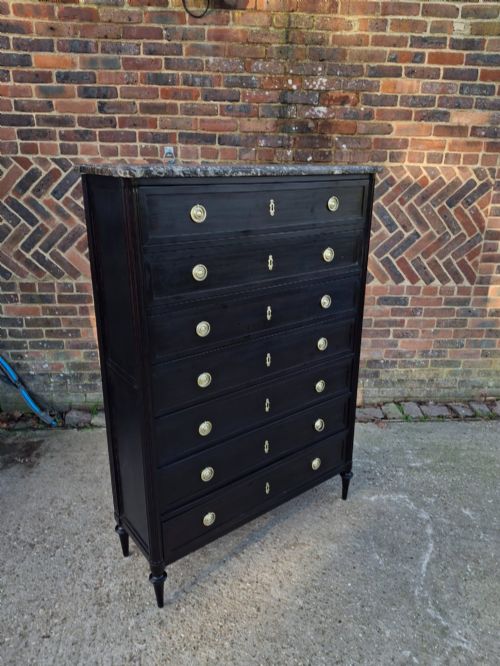
These pieces of antique furniture with brass handles bring solid timber construction and period metalwork into daily use.
Antique Furniture with Brass Handles
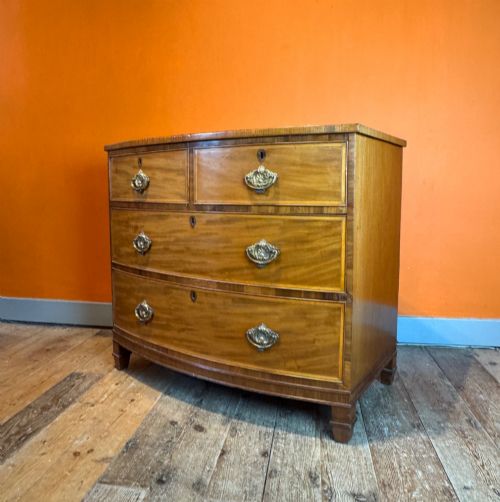
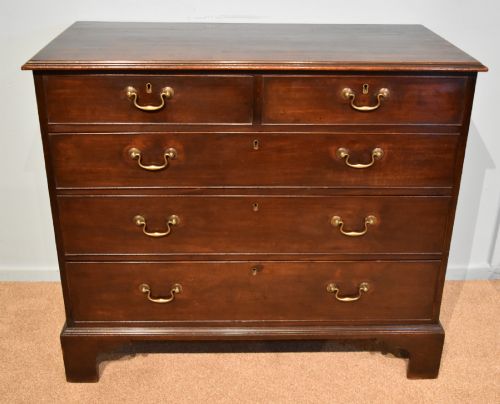
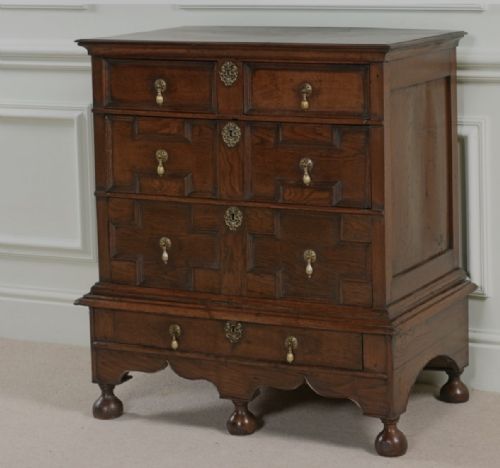
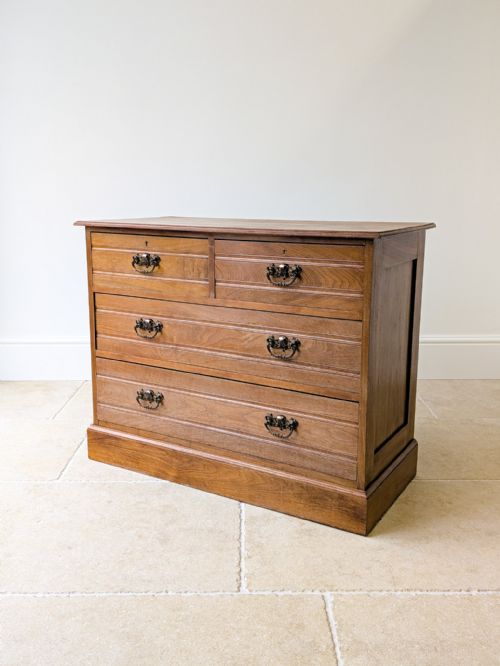
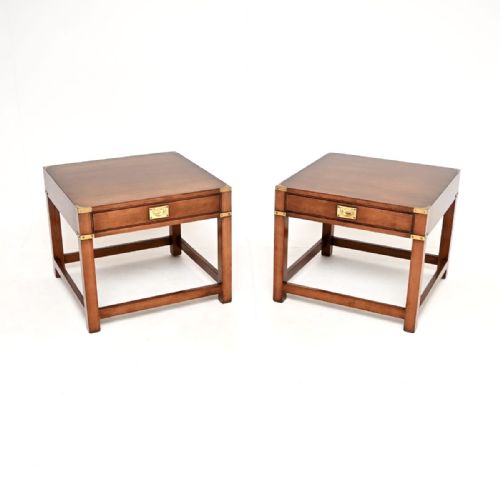
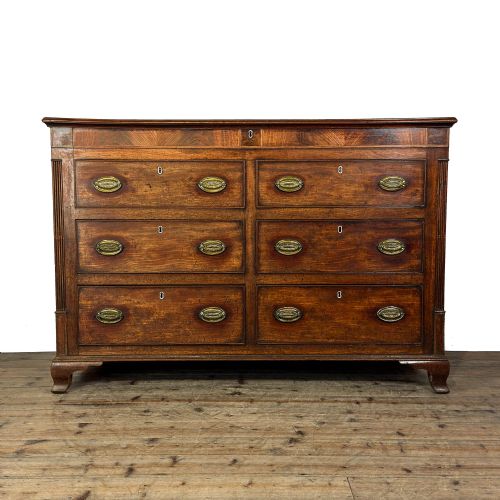
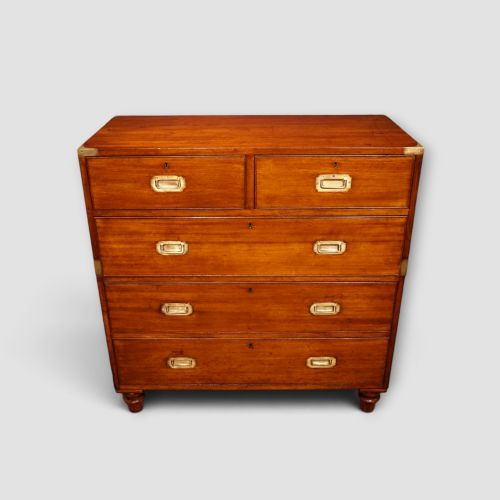
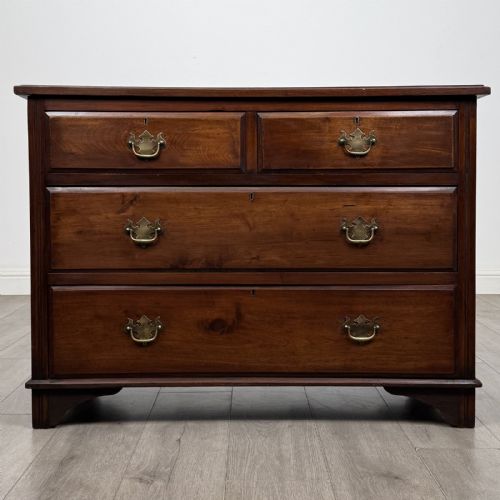
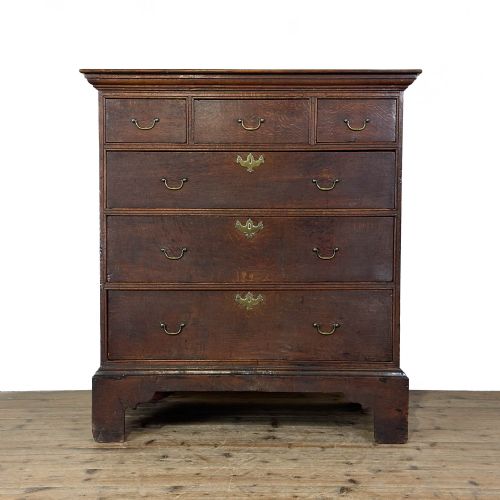
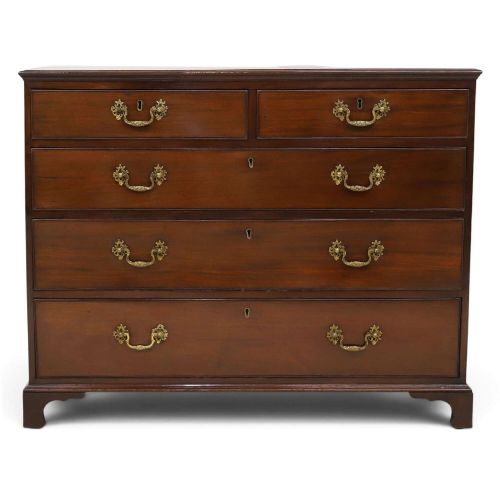
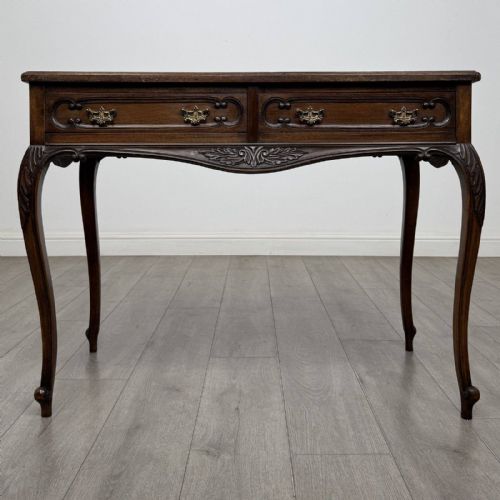
The version you are most likely to meet here is the Georgian or Victorian mahogany chest of drawers, often fitted with a brushing slide or configured in multiple tiers. Alongside these storage pieces, various desks appear, including partners desks, pedestal writing tables, and campaign furniture designed for travel. Oak dresser bases and lowboys also represent the earlier domestic traditions seen in the listings.
How They Were Made
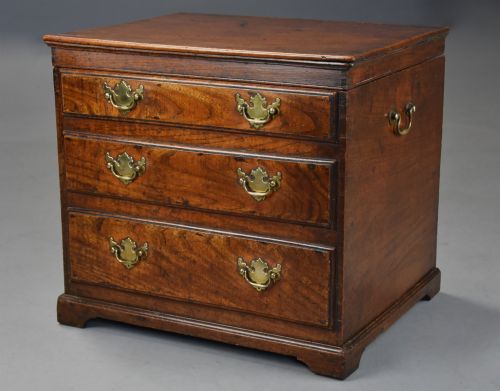
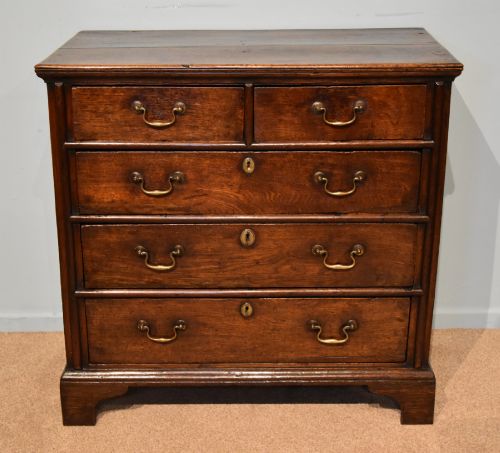
Cabinet makers constructed these pieces using dense hardwoods such as mahogany, oak, and walnut, frequently lining drawers with secondary timbers like oak. Surfaces often feature crossbanding, veneers, or geometric mouldings, supported by bracket feet, plain legs, or brass paw feet. Timber panels were jointed to allow for natural movement across seasons without splitting the primary structure.
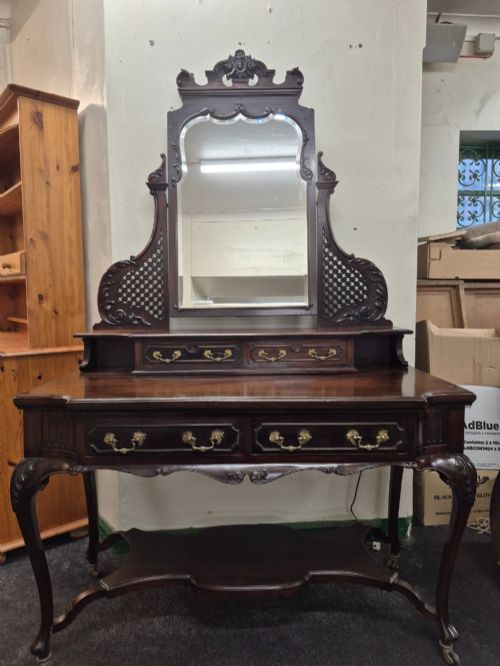
Metalwork played an integral functional and decorative role, utilising cast or stamped brass for drop handles, pierced backplates, acorn pulls, and carrying handles on campaign items. These mounts were secured through the timber drawer fronts with pins or threaded posts, pairing utility with the aesthetic of the period.
Antique Furniture with Brass Handles Retail Price Guide 2026
Typical asking prices for furniture with brass handles among the pieces listed under this phrase on Sellingantiques today, from the lower quarter to the upper quarter. They describe what is for sale here now, not the wider market.
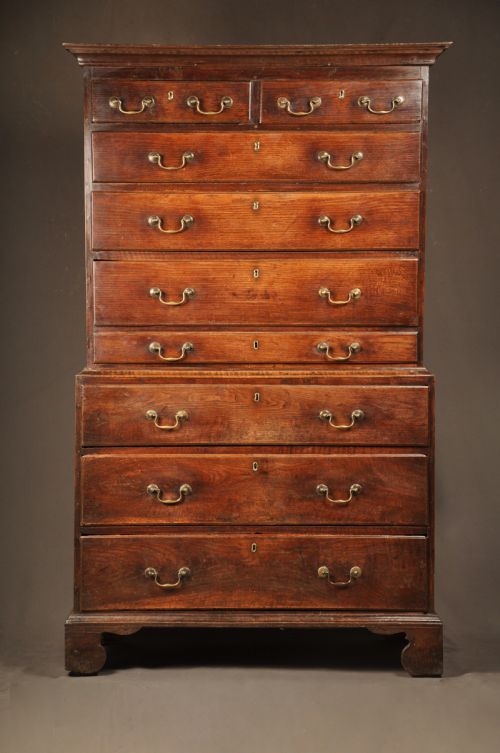
Forms on this page range from compact lowboys and bachelor chests to large partners desks and multi-tier chests on chest.
What Varies in Quality
Quality rests in the integrity of the timber selection, the crispness of carved details like blind fret cornices or bracket feet, and the presence of original brass hardware. Pieces retaining their early or original handles, locks, and untouched surface patination demonstrate superior preservation compared to those altered or heavily restored over time.
Internal construction standards further divide the range, distinguishing items with meticulously dovetailed oak drawer linings and secret compartments from later or more utilitarian builds. The harmony of proportions, particularly in smaller proportions or bachelor chests, marks the difference between standard cabinet work and exceptional workshop production.
Blyth and Son
The Antique Furniture with Brass Handles Glossary
- Brushing slide
- A pull-out shelf integrated above the top drawer of a chest or bachelor's chest, historically used for dusting garments or writing.
- Chest on chest
- A tall storage form comprising a smaller chest stacked directly upon a larger base chest, often featuring fine cornicing.
- Lowboy
- A small oak, walnut, or mahogany side table with one or more drawers, typically standing on slender legs.
- Campaign chest
- A sectional timber trunk made in two or more parts with recessed brass carrying handles, built for transport by military officers.
- Partners desk
- A large double-sided writing table with drawers and cupboards accessible from both front and rear positions.
Antique Furniture with Brass Handles: Frequently Asked Questions
What is a brushing slide used for?
A brushing slide provides a convenient pull-out wooden surface positioned just below the top surface of a chest. In past centuries, owners used it to brush garments or write brief notes without opening a full desk.
Today, this feature adds functional versatility and signals a more considered interior layout on Georgian chests.
How do campaign chests differ from standard chests?
Campaign chests are built in two separate stacking sections equipped with recessed brass handles on the sides for ease of travel. They use durable timbers like camphor wood or mahogany to withstand transport.
These pieces were originally commissioned by military officers for deployment overseas.
Are brass handles on these pieces original?
Many pieces retain their original cast or pierced brass handles and backplates, which show consistent wear and patination matching the timber. Replacement hardware is also common in antique furniture due to centuries of domestic use.
Examining the pin holes and interior drawer wood helps determine whether the brassware dates to the construction period.
How do I identify a bachelor chest?
A bachelor chest is typically a compact mahogany or walnut chest of drawers featuring a fold-over top or a pull-out writing slide. They combine small proportions with dedicated writing surfaces designed for private chambers.
These versatile items served as both storage units and writing desks in eighteenth-century homes.