
Antique Furniture Stand
An antique furniture stand provides a practical stage for plants, books, and objects, drawing together centuries of cabinet-making skill.
Antique Furniture Stand
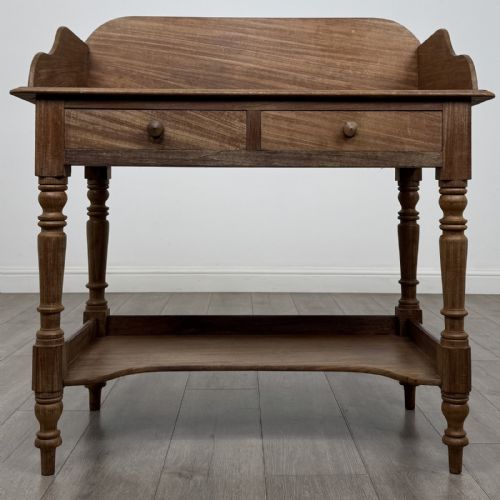
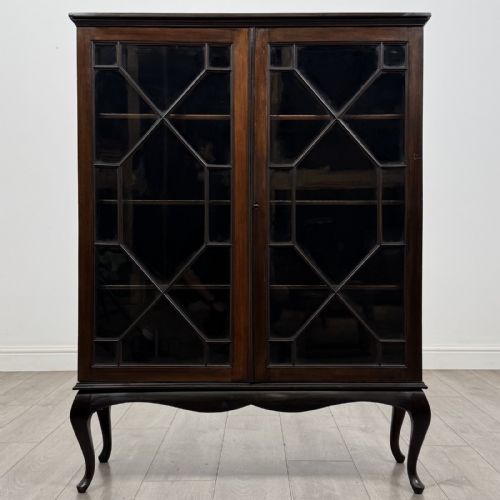
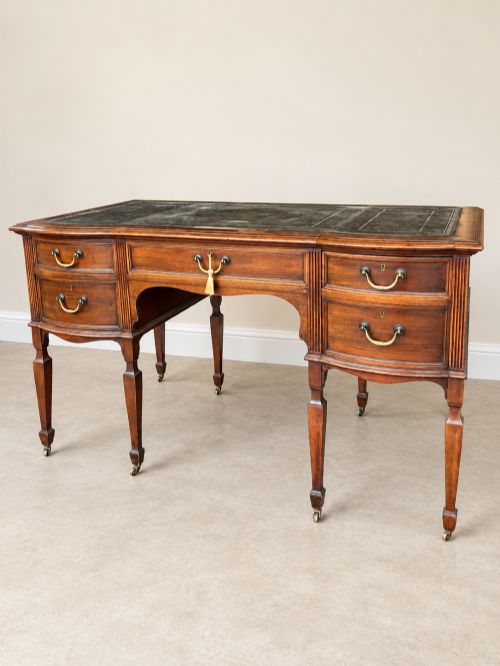
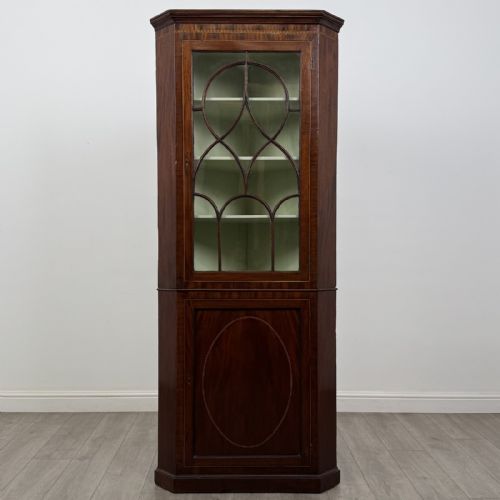
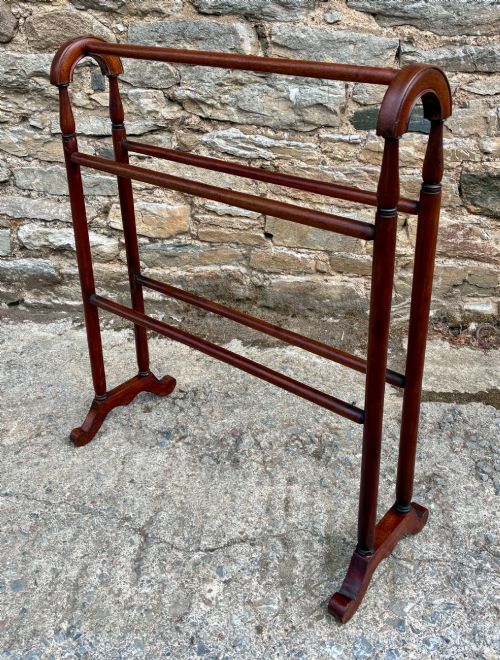
When you search for an antique furniture stand, you enter a diverse category of functional items designed to elevate objects or organise domestic spaces. The listings encompass plant stands, hall stands, umbrella stands, whatnots, and occasional tables from multiple eras.
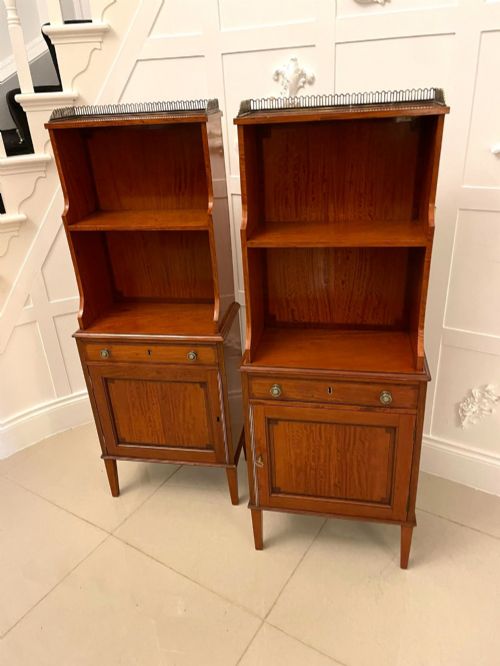
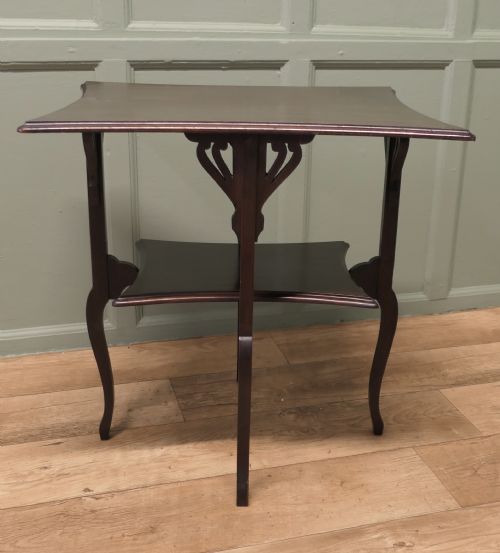
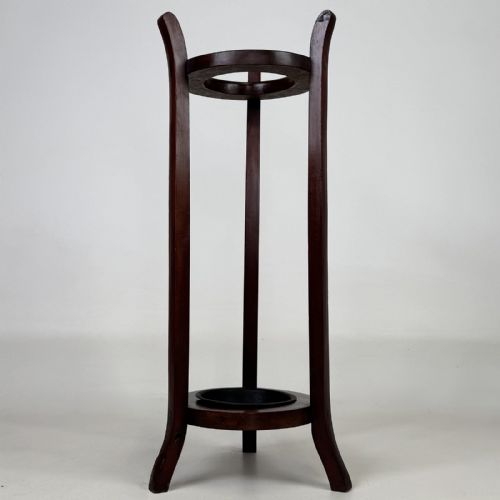
You are most likely to meet plant stands, occasional tables, and multi-tiered whatnots originating from the Victorian and Edwardian periods. These forms reflect the domestic habits of their times, providing dedicated surfaces for displaying household ornaments or holding reading material.
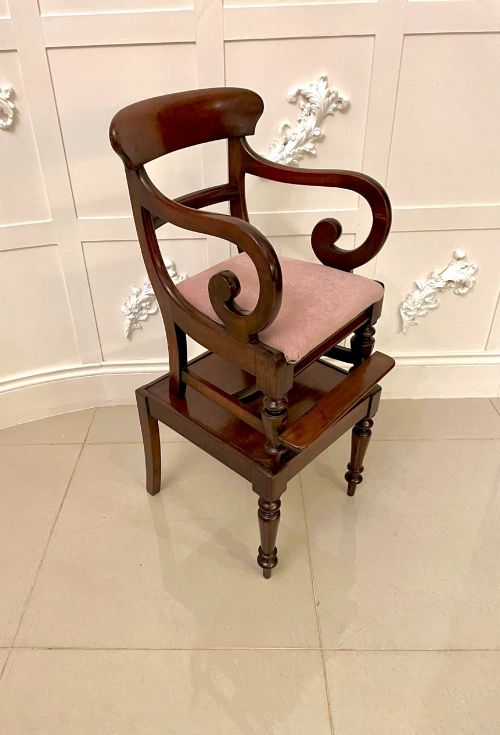
The category also stretches to include specialised items such as sculpture stands, butlers trays on stands, and revolving bookcases. Each piece demonstrates how past makers solved specific interior requirements through timber construction.
How they were made
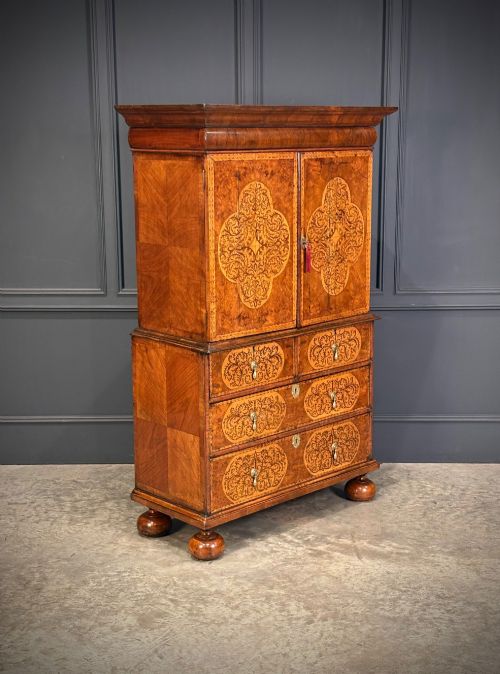
Mahogany, oak, and walnut form the structural backbone of these pieces, often selected for their grain and durability. Makers also utilised decorative timbers such as burr walnut, satinwood, and elm to create visual contrast on table tops and cabinet fronts.
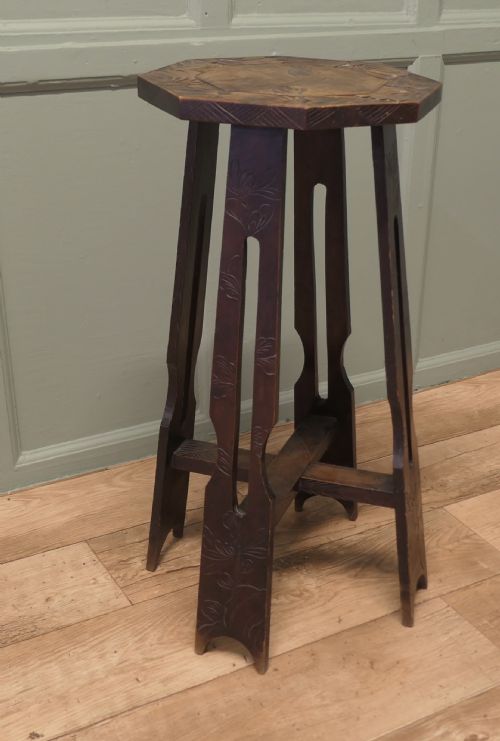
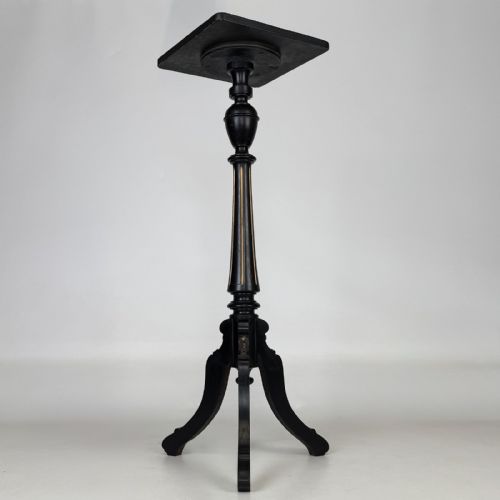
Construction techniques combine traditional joinery with decorative carving, turning, and occasional brass fittings. Ebonised finishes, bentwood bending, and inlaid banding appear across different styles, from Arts and Crafts designs to Sheraton Revival pieces.
Primary materials recorded on this page range from solid mahogany and oak to burr walnut, satinwood, bamboo, and pine.
What varies in quality
Quality rests in the precision of the timber selection and the crispness of the carving or turning. Superior examples display carefully matched wood veneers, such as burr walnut, and structural stability in elements like tripod bases or multi-tiered shelves.
The reputation of the workshop or maker shifts the standing of a piece, with documented firms commanding greater attention. Simpler vernacular items rely entirely on honest proportions and the character of local woods like oak, elm, or pine.
Gillows·Liberty & Co·James Shoolbred·Finnigans
The Antique Furniture Stand Glossary
- Whatnot
- A set of open shelves used for displaying ornaments and books, often built with three or more tiers.
- Tripod base
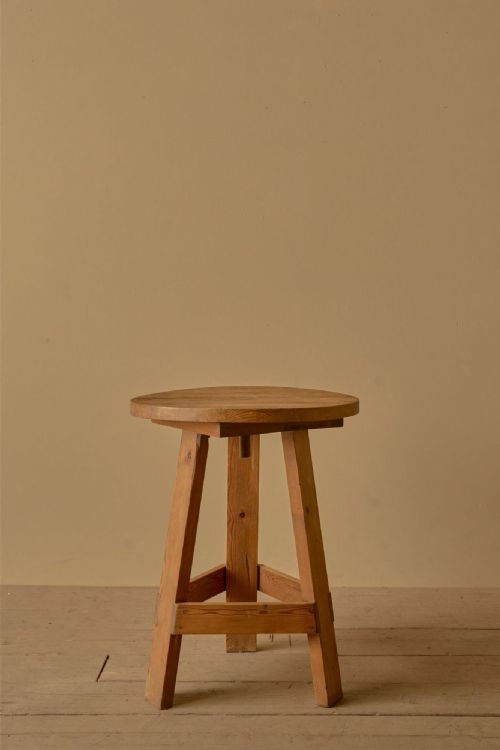
- A support structure featuring three legs radiating from a central pillar, commonly found on tables and plant stands.
- Étagère
- A small ornamental stand with multiple tiers for holding small objects, popular during the Victorian and Sheraton Revival periods.
- Gallery
- A low raised border around the edge of a table top or stand to prevent items from sliding off.
- Butlers tray on a stand
- A removable wooden tray with hinged or shaped sides resting upon a folding or fixed wooden frame.
Antique Furniture Stand: Frequently Asked Questions
What is an antique whatnot used for?
A whatnot serves as a multi-tiered open shelving unit designed to display ornaments, china, and books within a parlour or sitting room. Their open construction allowed decorative items to be viewed from multiple angles.
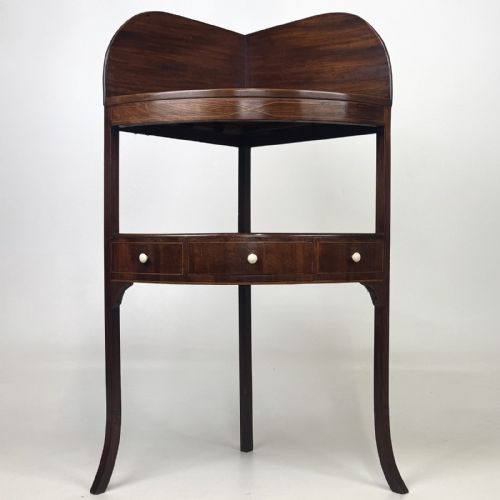
Over time, these pieces adapted to various domestic settings, functioning as bedside storage or corner display units depending on the tier count and shape.
How do I identify a plant stand?
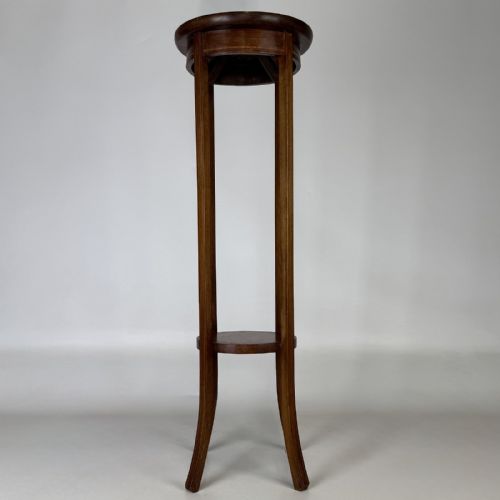
Plant stands typically feature a compact top surface supported by a slender column, tripod base, or multi-shelf structure intended to hold a heavy pot. They often include lower shelves for stability or secondary display.
Materials range from turned mahogany and ebonised wood to carved oak and bamboo, reflecting the Victorian and Edwardian enthusiasm for indoor horticulture.
What is the difference between a side table and an occasional table?
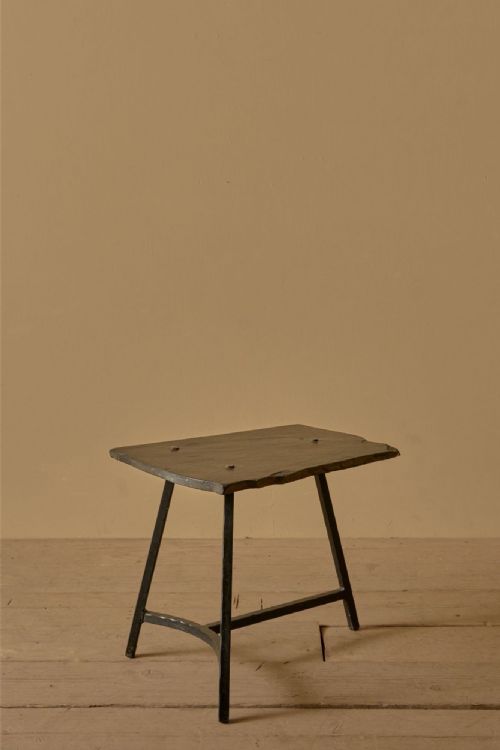
Side tables generally served fixed positions against walls or beside larger furniture pieces, sometimes incorporating drawers or multiple tiers for storage. Occasional tables were designed to be moved around a room as needed for tea, reading, or display.
Both forms appear across Georgian, Victorian, and Edwardian periods in timbers like mahogany, oak, and satinwood.
How do I care for antique stands?
Keep wooden stands away from direct heat sources and strong sunlight to prevent the timber and veneers from drying out or splitting. Dust regularly with a soft, dry cloth and apply a quality beeswax sparingly to nourish the finish.
Avoid using modern liquid polishes containing silicone, which can build up and damage antique polished surfaces over time.