

Antique Furniture Sofa
When seeking an antique furniture sofa, collectors encounter diverse Victorian, Regency, and Edwardian forms shaped by traditional timber and upholstery traditions.
Antique Furniture Sofa
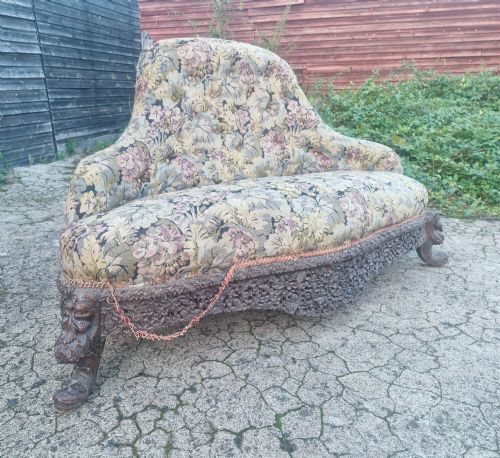
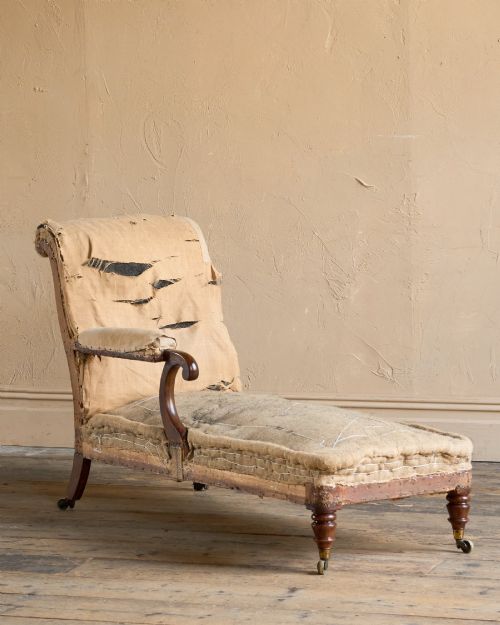
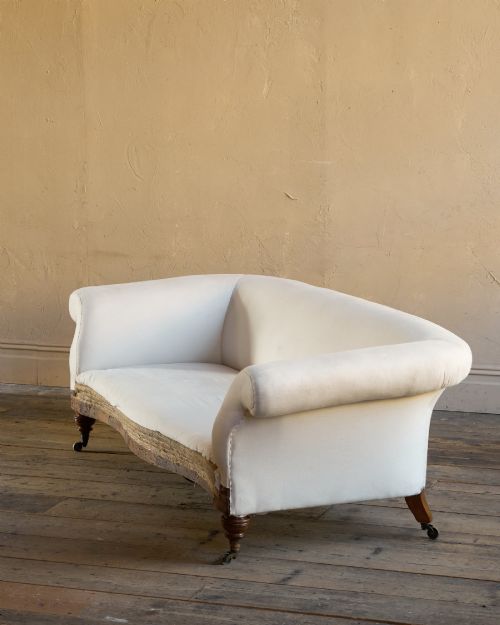
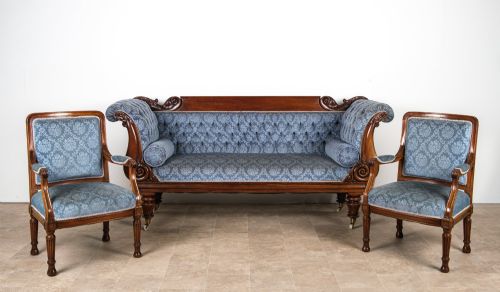
An antique furniture sofa selection incorporates various seating forms ranging from early nineteenth century settee designs to elaborate Victorian salon suites and chaise longue pieces. Buyers exploring this category frequently meet mahogany and walnut frames finished with traditional fabric or leather upholstery.
The inventory demonstrates distinct stylistic periods including Regency, William IV, and Edwardian eras alongside specific regional variants such as Anglo Indian and French Bergère examples. These seating items served formal drawing rooms and sitting spaces, reflecting the domestic habits of past centuries.
Materials and construction methods
Craftsmen utilised dense hardwoods such as mahogany, rosewood, walnut, and satinwood to construct sturdy frames, frequently employing intricate carving and inlaid veneers. Structural support relied on traditional joinery techniques combined with brass castors and fittings.
Upholstered sections incorporated durable fabric, leather, and cane work supported by internal webbing and stuffing. Selected pieces displayed ebonised wood or exotic tropical hardwoods like gonçalo alves.
Antique Furniture Sofa Retail Price Guide 2026
Typical asking prices for furniture sofa among the pieces listed under this phrase on Sellingantiques today, from the lower quarter to the upper quarter. They describe what is for sale here now, not the wider market.
Listings feature timber varieties including mahogany, rosewood, walnut, satinwood, and birdseye maple across the nineteenth and early twentieth centuries.
Distinctions in quality and execution
Superior examples demonstrate meticulous timber selection, evidenced by figured burr walnut, birdseye maple, or rich mahogany grain. Finer frames show crisp hand carving, well executed cane work, and intact original inlay rather than mechanical replacement.
The integrity of the structural joinery and the preservation of original upholstery materials dictate the standing of a piece within its period. Attribution to documented makers or workshops elevates the historical interest of specific settees and suites.
Holland & Sons·C. Hindley & Sons·Williams and Gibton·James Mein of Kelso·Epstein
The Antique Furniture Sofa Glossary
- Bergère
- An enclosed upholstered armchair or sofa with wooden frames and exposed cane work on the sides and back.
- Settee
- A long wooden or upholstered seat for more than one person, sharing similarities with a traditional sofa.
- Chaise Longue
- An upholstered chair suitable for reclining, featuring an elongated seat structure designed for a single person.
- Salon Suite
- A matched set of seating furniture comprising a sofa alongside coordinating armchairs and side chairs for formal rooms.
- Inlay
- A decorative technique where contrasting woods or materials are inserted into prepared recesses in the primary timber surface.
Antique Furniture Sofa: Frequently Asked Questions
How do I identify a Regency period sofa?
Regency sofas typically exhibit classical influences derived from Greek and Roman designs, often utilising mahogany or rosewood with restrained brass mounts. Their silhouettes emphasise clean architectural lines and carved wooden supports rather than heavy Victorian ornamentation.
Examining the underlying timber construction and secondary woods helps confirm the early nineteenth century date of manufacture. Makers of this era favoured architectural proportions and refined scroll arms.
What is the difference between a settee and a sofa?
Historically, a settee often refers to an upholstered or wooden seat with a back and arms built for two or more occupants, sometimes retaining exposed wooden chair backs in earlier Regency examples. Sofas generally evolved toward fully upholstered, deeply cushioned seating designed for lounging.
Both terms appear across various nineteenth century listings, though stylistic cues usually clarify the intended function within a period interior.
How should I care for antique leather and wood?
Maintain antique timber surfaces by applying appropriate microcrystalline wax sparingly to nourish the grain and protect against excessive dryness. Avoid direct sunlight and sudden temperature shifts that cause wood to warp or split.
For leather upholstery, gentle dusting and specialised conditioning maintain suppleness without harming historical patination. Professional conservation advice ensures delicate finishes remain intact over time.
Are salon suites sold complete?
Salon suites frequently comprise a matching sofa, armchairs, and occasional side chairs designed as a cohesive furnishing scheme for Victorian and Edwardian drawing rooms. Some listings offer these larger suites together as a unified set.
Buyers should review individual item descriptions to confirm whether footstools or auxiliary chairs are included in the documented collection.