



Antique Furniture Project
These antique furniture project pieces offer raw frames and unworked surfaces waiting for skilful hands to restore them to their former glory.
Antique Furniture Project
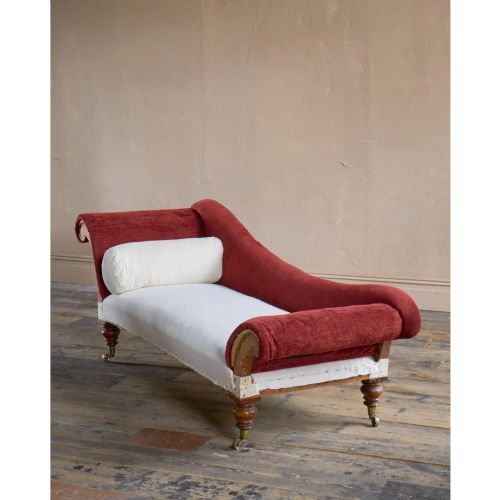
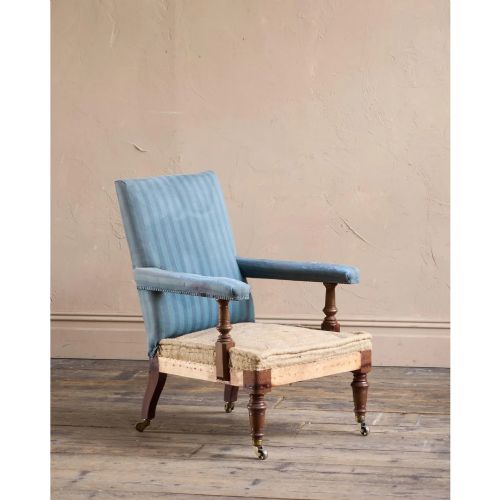
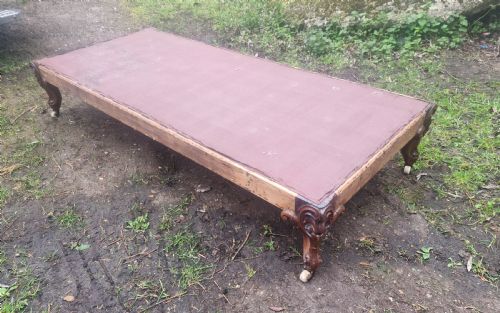
An antique furniture project provides an unworked frame or unrestored surface ready for a complete overhaul by a restorer or upholsterer. Buyers searching for an antique furniture project typically encounter seating and case pieces originating from the nineteenth century.
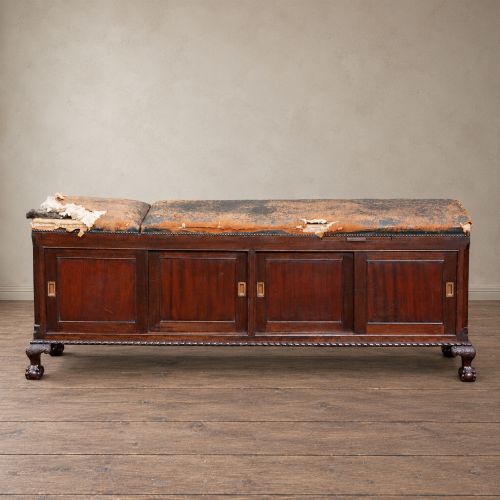
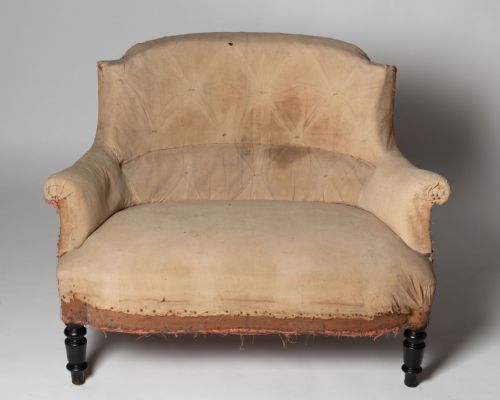
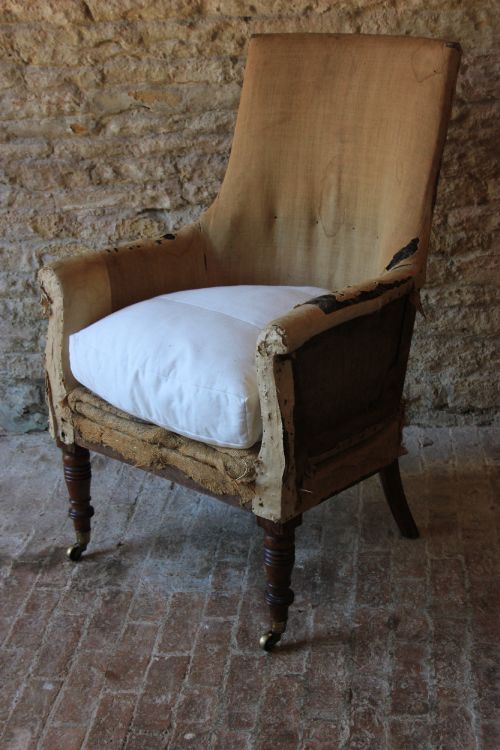
The current selection spans notable forms including open armchairs, nursing chairs, library chairs, chaise longues, ottomans, and centre stools. Alongside these seating options, the inventory includes occasional tables, secretaire abbattants, and desks awaiting restoration.
Origins and styles represented in this category range from Regency and William IV pieces to mid Victorian items and nineteenth century continental examples. Each piece requires attention, whether that involves stripping down frames for reupholstering or repairing timber structures.
How they were made
Construction relies heavily on dense timbers such as mahogany and ebonised wood, alongside intricately carved rosewood and marquetry decoration. Makers utilised traditional joinery and carved detailing to build robust carcases that outlast their original surface finishes.
Upholstered forms incorporate traditional foundations using hessian, calico, and fabric or velvet coverings. Metal elements such as brass appear in structural or decorative fittings on specific seating frames and tables, while ceramic components sometimes supplement the design.
Antique Furniture Project Retail Price Guide 2026
Typical asking prices for furniture project among the pieces listed under this phrase on Sellingantiques today, from the lower quarter to the upper quarter. They describe what is for sale here now, not the wider market.
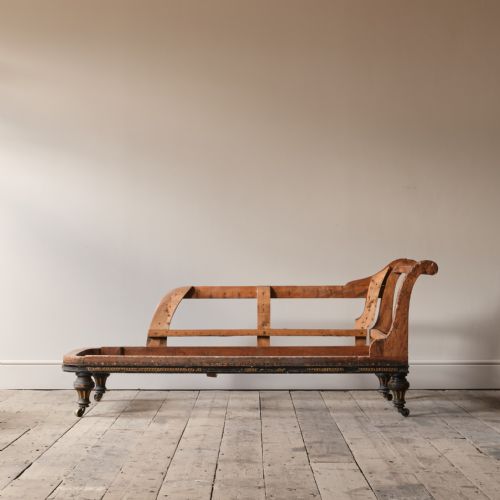
Even a tired day bed manages to hold its ground after a century or two of weary lounging.
What varies in quality
The baseline standard of an antique furniture project rests upon the integrity of its underlying wooden frame or carcase. Pieces originating from documented workshops display superior timber selection and finer carving compared to anonymous examples.
The degree of original survival dictates the complexity of any future conservation work. Items retaining their untouched structural components and original brass hardware offer a more authentic basis for restoration than those with heavily altered elements.
Holland & Sons·Morison and Co·Hindley & Sons·Willian Trotter
The Antique Furniture Project Glossary
- Ebonised wood
- Timber treated with a dark stain or finish to imitate ebony. This technique was popular for nineteenth-century seating and day beds.
- Marquetry
- Inlaid wood patterns applied as veneer to furniture surfaces. Craftsmen used various contrasting timbers to create decorative scenes on table tops.
- Secretaire abbattant
- A tall fall-front desk featuring a writing surface that drops down. These pieces often require careful restoration of their internal compartments.
- Reupholstering
- The process of replacing the internal stuffing, webbing, and outer fabric of a chair or sofa. Many period seating projects require this intervention to become usable again.
- Centre stool
- A freestanding stool designed to be viewed from all angles within a room. Nineteenth-century examples frequently feature carved rosewood frames.
Antique Furniture Project: Frequently Asked Questions
What is an antique furniture project?
An antique furniture project is an unrestored piece, such as a chair, sofa, or desk, that requires physical intervention, repairs, or reupholstering before it can be used.
These items allow restorers and collectors to strip back worn materials and reveal the original timber and craftsmanship underneath.
What materials are used in these pieces?
The pieces utilise traditional nineteenth-century materials including solid mahogany, ebonised wood, and rosewood for their structural frames.
Upholstered items often incorporate layers of hessian, calico, and fabric or velvet, supported internally by webbing and stuffing.
How do I date an antique project?
Dating relies on identifying the prevailing style, such as Regency, William IV, or Victorian, combined with construction methods characteristic of the nineteenth century.
Maker stamps or labels, when present on the timber frame, provide a precise attribution to workshops active during the period.