




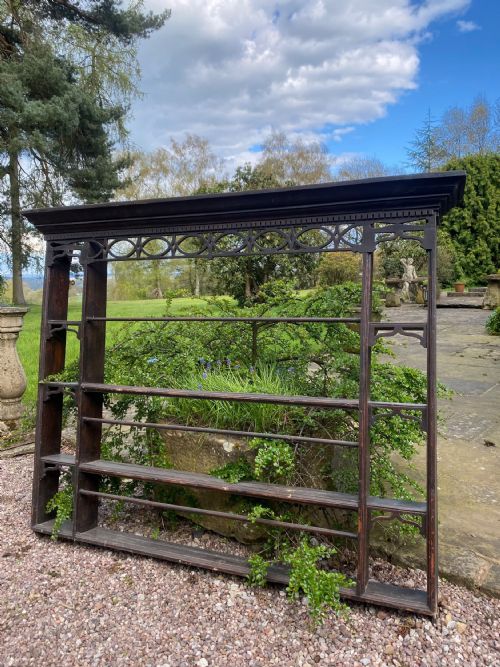
Antique Furniture Plate
These antique furniture plate pieces span centuries of regional craftsmanship, offering functional display surfaces and hardware that anchor a room.
Antique Furniture Plate
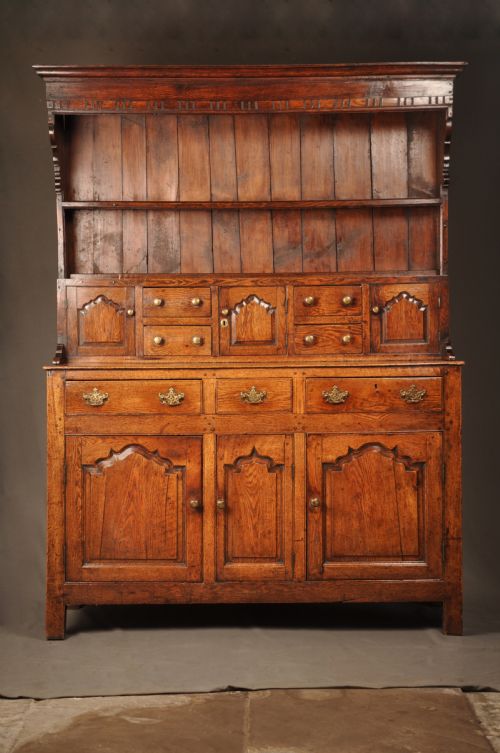
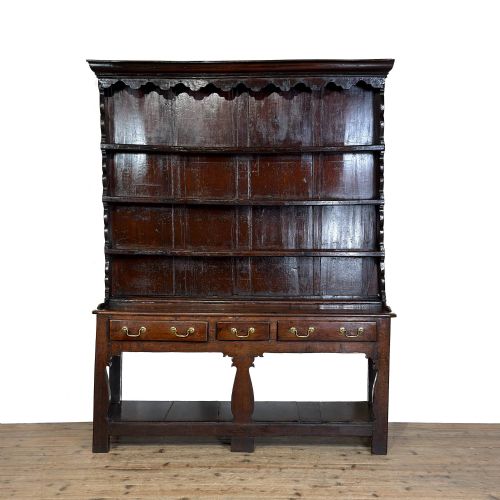
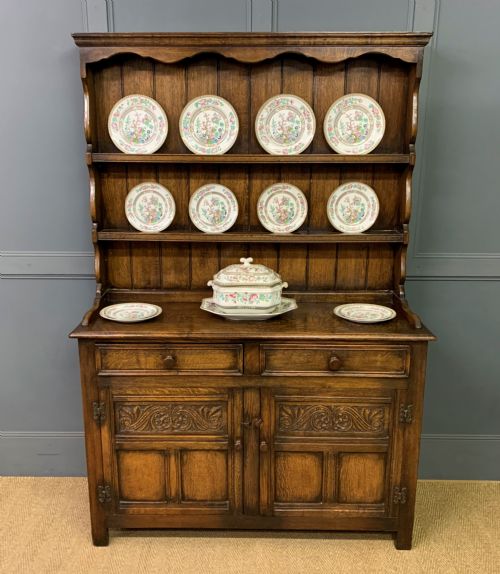
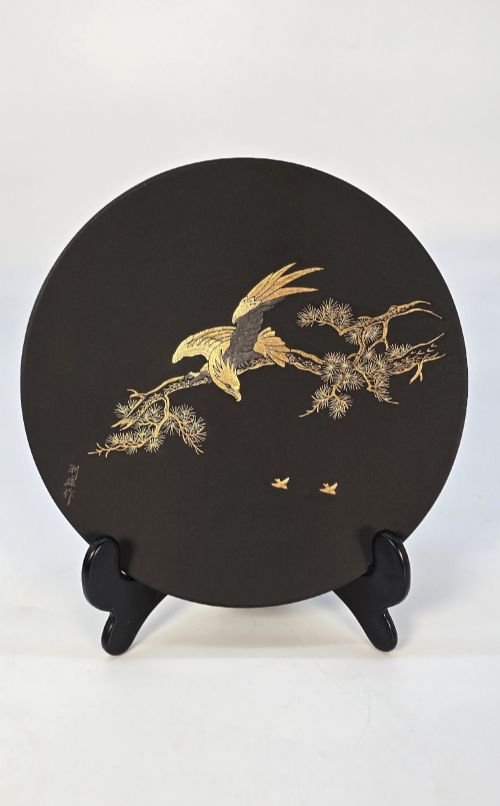
When you search for antique furniture plate, you encounter a diverse collection encompassing kitchen dressers, wall hanging shelves, and architectural hardware such as door finger plates. The selection draws primarily from Georgian and Victorian periods, alongside regional English, Welsh, and Irish country vernacular forms.
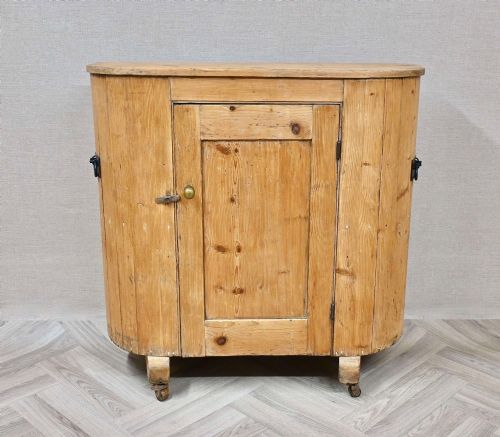
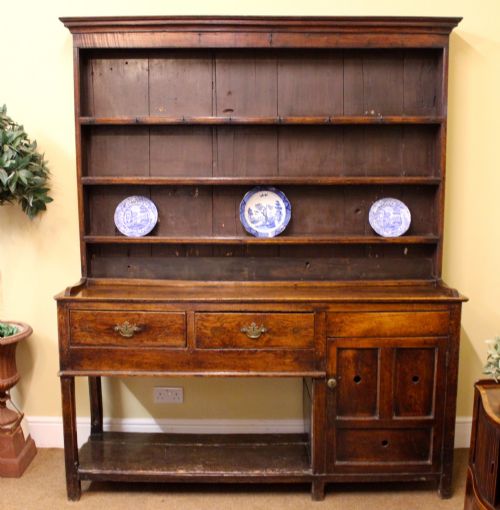
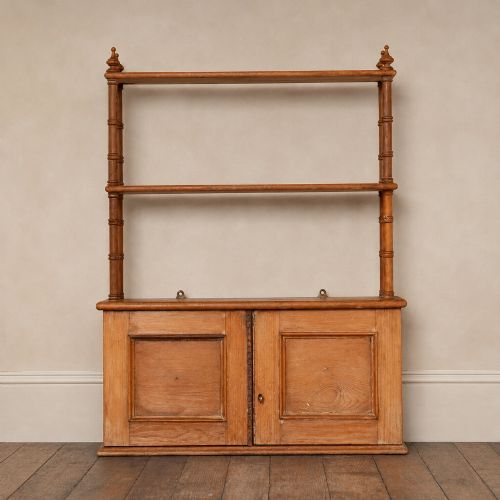
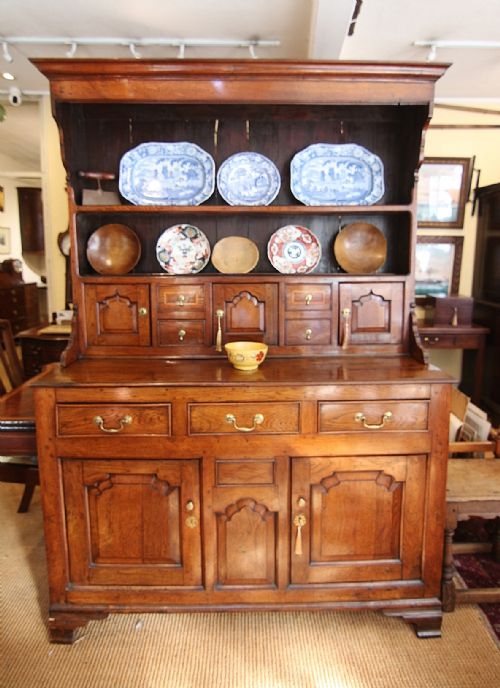
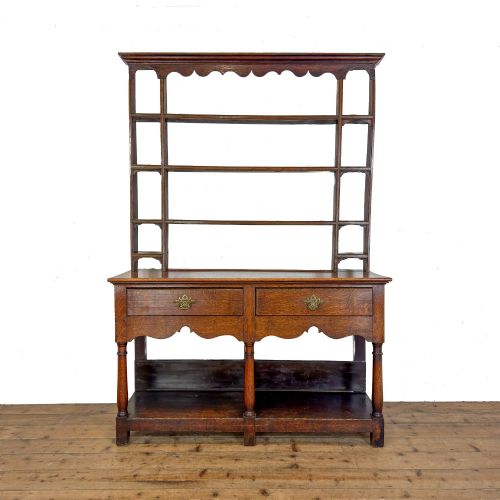
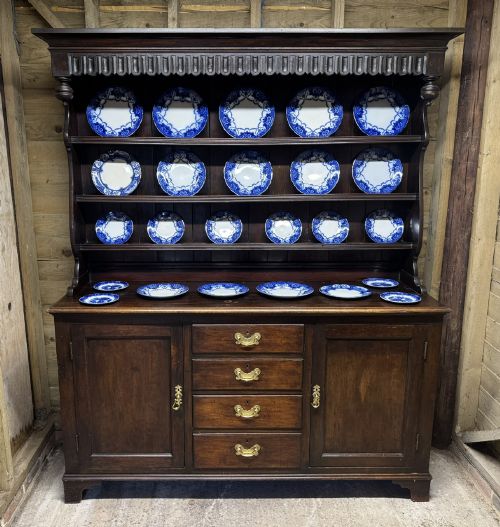
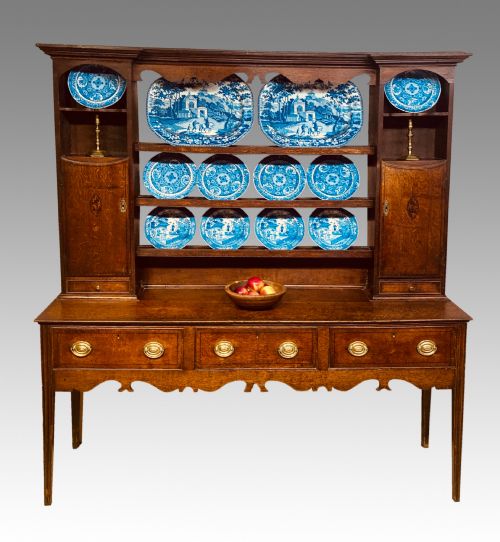
The most common iterations on this page are oak and pine dressers featuring upper plate racks, alongside smaller wall shelves and decorative metal finger plates. These items range from large potboard dressers down to compact cottage cupboards and specialised delft racks.
How they were made
Makers utilised native timbers like oak, mahogany, and pine, often combining woods within a single piece such as an oak and pine delft rack. Construction relies on traditional joinery, sturdy pegging, and hand-painting or patination applied to the surface.
Metal hardware incorporates brass, bronze, iron, and nickel, shaped through casting and hammering. Details like gold and silver inlay, marquetry, and intricate carving elevate functional objects into decorative works.
Antique Furniture Plate Retail Price Guide 2026
Typical asking prices for furniture plate among the pieces listed under this phrase on Sellingantiques today, from the lower quarter to the upper quarter. They describe what is for sale here now, not the wider market.
Listings feature oak, pine, and mahogany alongside brass, iron, and painted surfaces across Georgian and Victorian eras.
What varies in quality
The distinction between standard examples and superior ones lies in the integrity of the timber selection and the subtlety of regional carving. Finer dressers display well-proportioned potboard bases, harmonious grain patterns, and original structural elements without extensive timber replacement.
Hardware quality shows in the weight of the metal and the crispness of cast details on brass finger plates or bronze handles. Surface finishes that retain their early patination or original hand-painted folk art elements carry greater integrity.
The Antique Furniture Plate Glossary
- Delft rack
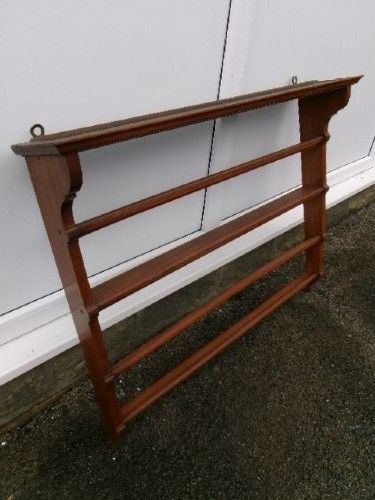
- A set of open wall shelves specifically designed for displaying ceramic plates. These often feature slender front guards to keep dishes secure.
- Potboard dresser
- A traditional country dresser featuring a low open shelf beneath the main baseboard rather than enclosed cupboards. This lower platform was historically utilised for storing heavy pots and pans.
- Finger plate
- A protective metal or ceramic plate mounted on a door beside the handle to prevent fingerprints and wear. Common period examples utilise solid brass or nickel.
- Marquetry
- The art of applying small pieces of veneer to a structure to form decorative patterns. This technique appears on select racks and display furniture.
- Vernacular furniture
- Items made by local craftsmen using regional styles and native woods rather than following strict metropolitan court fashions. Welsh and Irish country dressers are primary examples of this tradition.
Antique Furniture Plate: Frequently Asked Questions
What is a potboard dresser?
A potboard dresser is a traditional dining room or kitchen storage unit featuring an open lower shelf rather than solid cupboards. This lower platform allowed heavy cooking vessels to be kept close at hand.
Such pieces typically originate from regional workshops in oak or pine, displaying the robust construction favoured by country cabinetmakers.
How do I use a plate rack?
Plate racks are designed for wall mounting to display ceramic collections safely in kitchens or dining rooms. The horizontal slats and grooves hold plates upright for visual appreciation.
Ensure the wall fixings match the weight of the timber rack, especially when loading it with heavy earthenware or porcelain.
Are door finger plates original?
Door finger plates protect painted or polished wood around handles from daily wear and tear. Georgian, Victorian, and Arts and Crafts examples come in brass, bronze, and iron.
Matching sets often include matching door knobs and keyhole covers, reflecting the hardware standards of their specific decade.
How do I date an oak dresser?
Dating relies on examining construction methods, timber choice, and hardware styles. Earlier pieces often feature pegged joinery, native oak boards, and simple potboard bases.
Later Victorian and Edwardian examples introduce machine-sawn elements, softer pine linings, and different moulding profiles.