
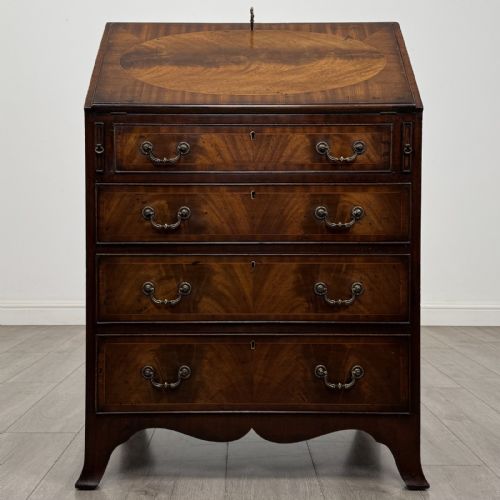
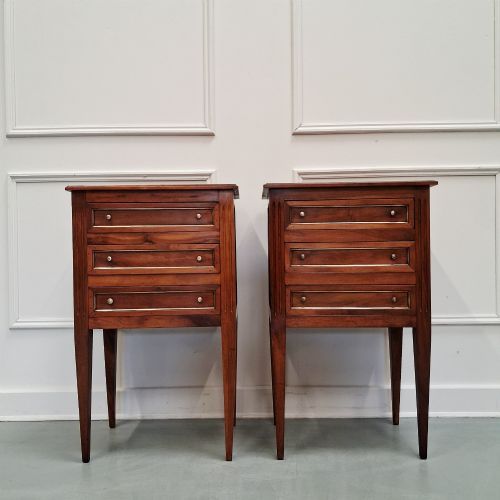
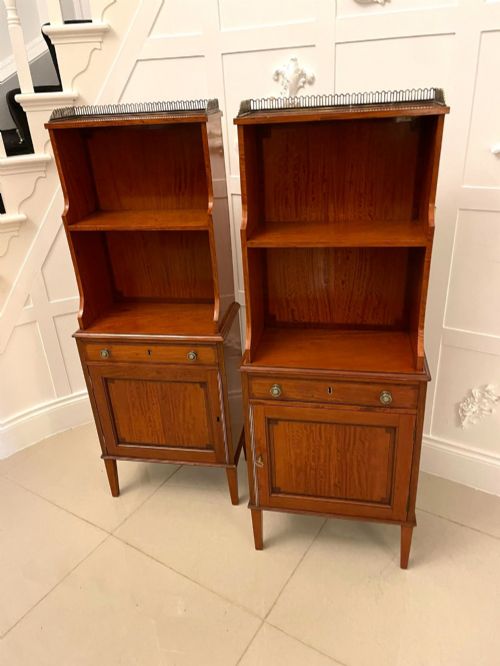
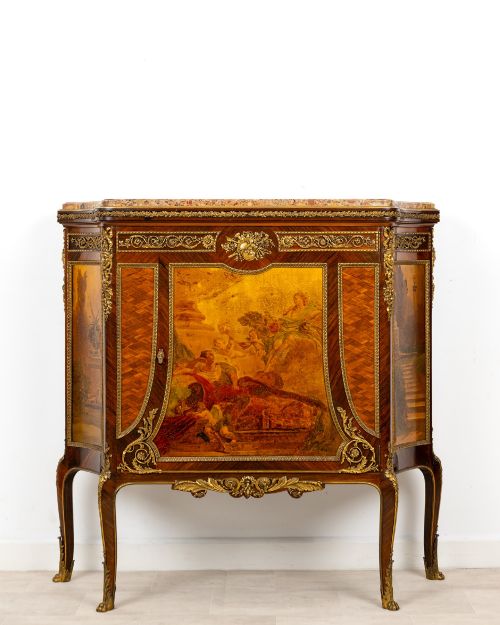
Antique Furniture Cabinet
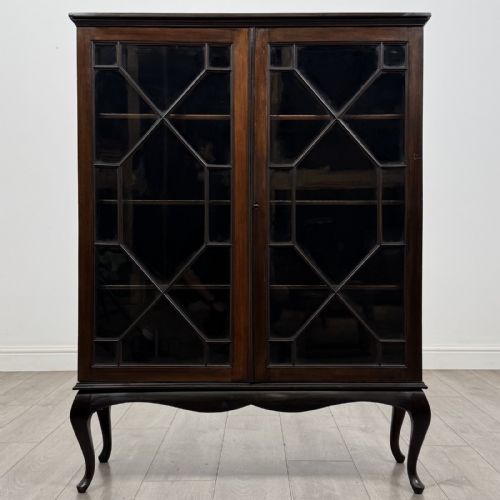
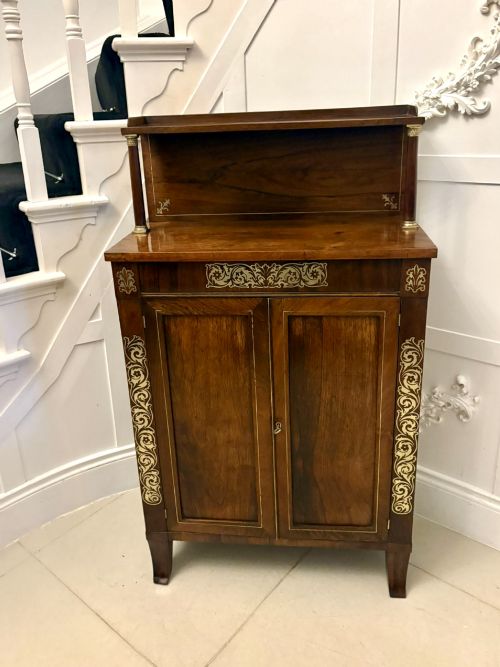
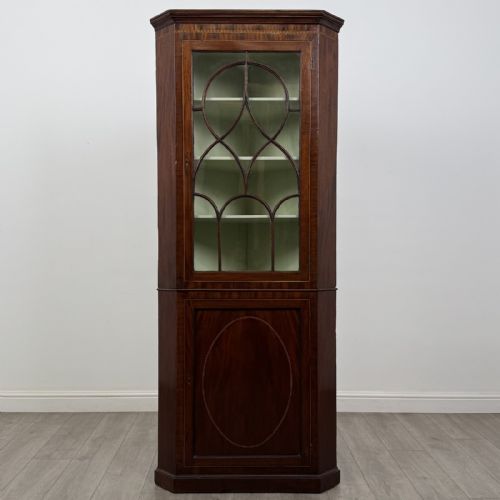
These antique furniture cabinet pieces range from Georgian mahogany corner cupboards to Edwardian display cases, offering traditional storage rooted in history.
Antique Furniture Cabinet
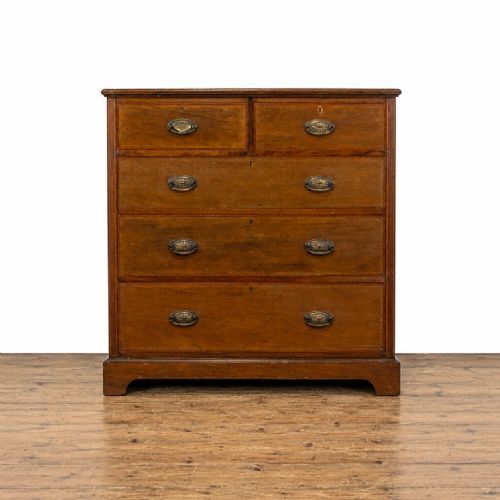
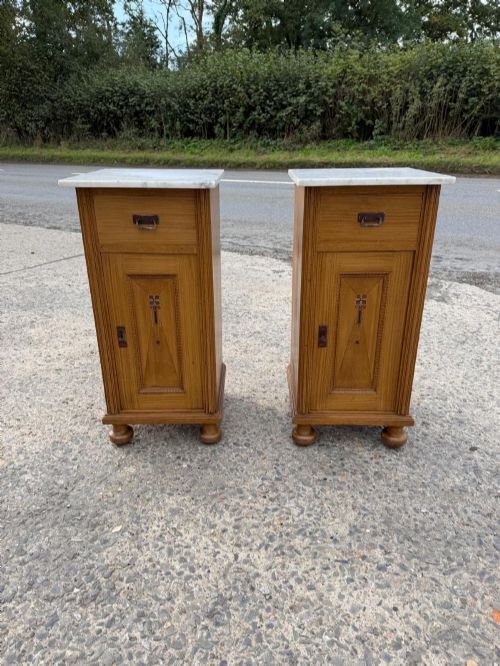
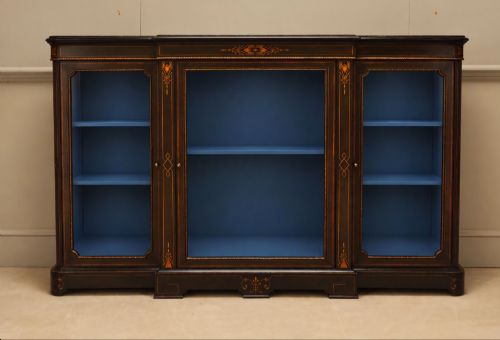
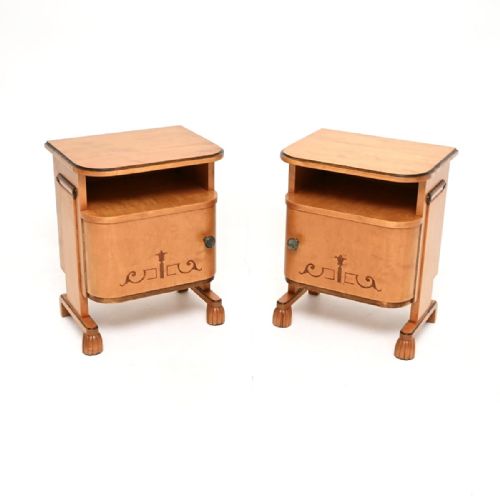
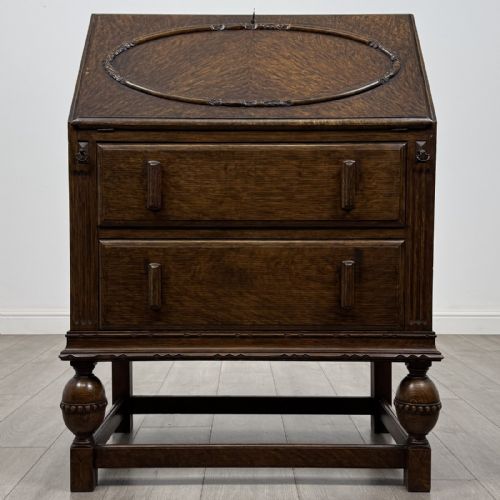
An antique furniture cabinet encompasses a diverse group of storage pieces, including display cabinets, bookcases, corner cabinets, cupboards, and chests of drawers. When searching for an antique furniture cabinet, buyers encounter forms ranging from compact bedside tables to large sectional bookcases and wardrobes.
The selection spans centuries of design, with pieces originating from the 17th, 18th, 19th, and early 20th centuries. Georgian, Victorian, Edwardian, and Regency periods dominate the offerings, alongside specific movements like Arts and Crafts and Art Deco.
Householders often meet utilitarian items such as housekeeper's cupboards and purdoniums alongside refined display pieces and secretaire chests. Regional styles also appear, including Dutch, French Empire, and Scottish variations.
How they were made
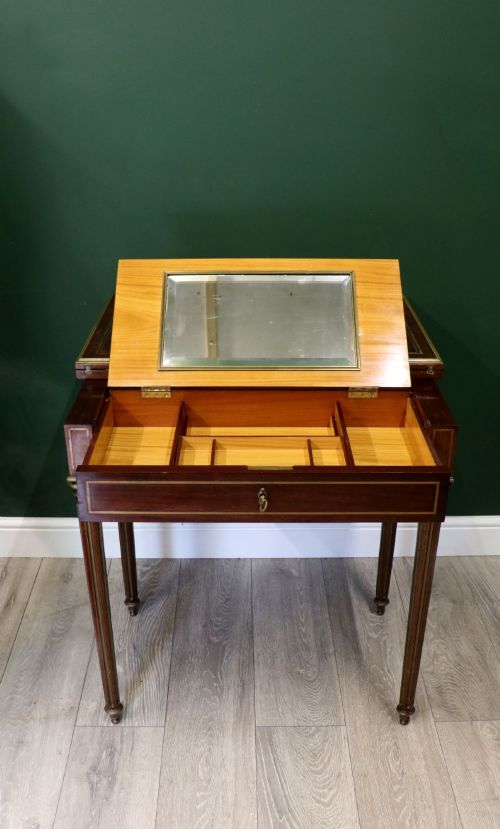
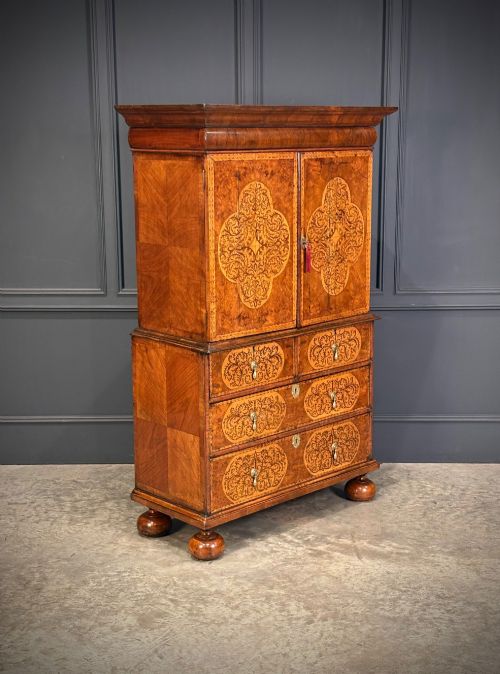
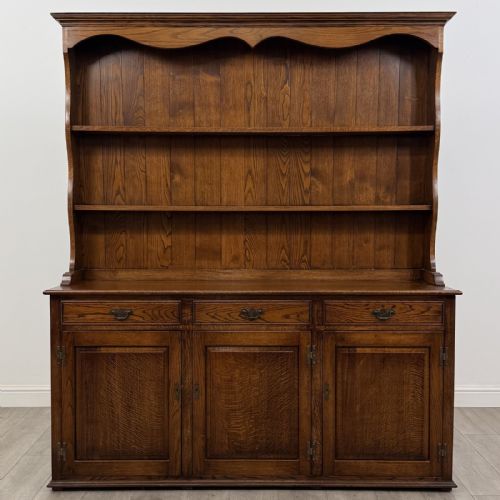
Cabinet makers relied heavily on hardwoods such as mahogany, oak, and walnut, frequently enhancing surfaces with figured veneers, satinwood, amboyna, or marquetry inlay. Structural elements often incorporated pine or secondary timbers for internal framing and drawer linings.
Metalwork played a functional and decorative role, utilising brass for handles, escutcheons, and hinges, while gilt-bronze adorned more elaborate continental pieces. Glass panes featured in glazed bookcases and display cabinets, sometimes paired with carved wooden cornices, raised galleries, or turned legs.
Listings feature woods spanning mahogany, oak, walnut, satinwood, pine, and yew, alongside glass and brass accents.
What varies in quality
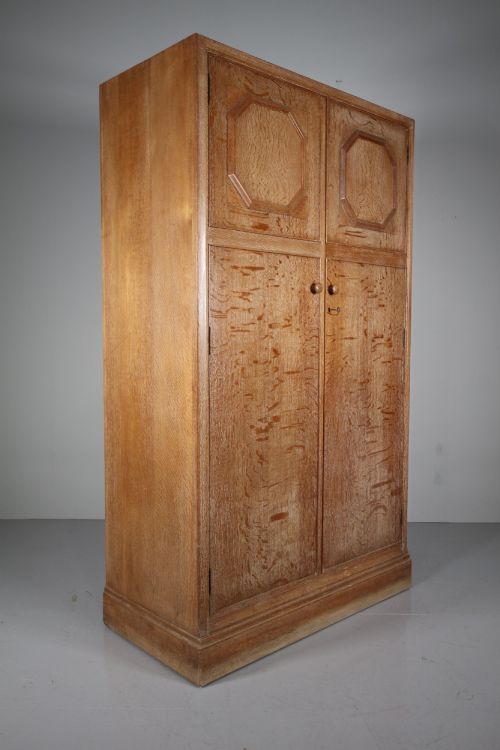
The standard of timber selection and cabinet-making execution determines the grade of an antique furniture cabinet. Superior examples feature carefully matched grain patterns, such as burr walnut or figured oak, and meticulous marquetry inlay.
Hardware integration and interior fittings also indicate distinction, from fitted bureau interiors to original brass mounts and working locks. Maker attribution to notable workshops elevates a piece through refined joinery and proportional balance.
Gillows·François Linke·John Moyr Smith·Gunn Furniture·Lebus
The Antique Furniture Cabinet Glossary
- Corner cabinet
- A storage unit specifically constructed with an angled footprint to fit neatly into the corner of a room.
- Secretaire
- A piece of furniture incorporating a writing drawer with a drop-front panel that conceals a fitted interior of small drawers and pigeonholes.
- Breakfront
- A large cabinet or bookcase where the central section projects forward from the flanking wings.
- Marquetry
- The decorative craft of applying thin pieces of wood veneer to a structure to form intricate geometric or pictorial patterns.
- Dentil cornice
- A decorative architectural moulding featuring a repeating series of small square blocks resembling teeth along the top edge of a cabinet.
Antique Furniture Cabinet: Frequently Asked Questions
How do I date an antique cabinet?
Dating relies on identifying the prevailing stylistic markers, construction techniques, and timber choices characteristic of specific periods like the Georgian or Victorian eras.
Secondary clues include the type of fixings, drawer dovetails, and hardware used in the construction.
Where should I place a display cabinet?
Display cabinets with glass doors and shelves suit sitting rooms or dining areas where china and collectibles benefit from natural or ambient light.
Positioning them away from direct sunlight and heat sources protects both the timber and the displayed items.
What is a Wellington chest?
A Wellington chest is a tall, narrow set of drawers secured by a hinged vertical locking sidebar on one side.
This design originated in the 19th century to securely store personal papers and garments in compact spaces.
How do I maintain wood finishes?
Regular dusting with a soft, dry cloth preserves the polished surface of antique furniture without stripping historical patination.
Applying occasional appropriate wax feeds the timber and prevents the wood from drying out in centrally heated rooms.