
Antique Furniture Accent
These pieces of antique furniture accent the room with distinct historical forms, bringing utility and character to corners and seating areas.
Antique Furniture Accent
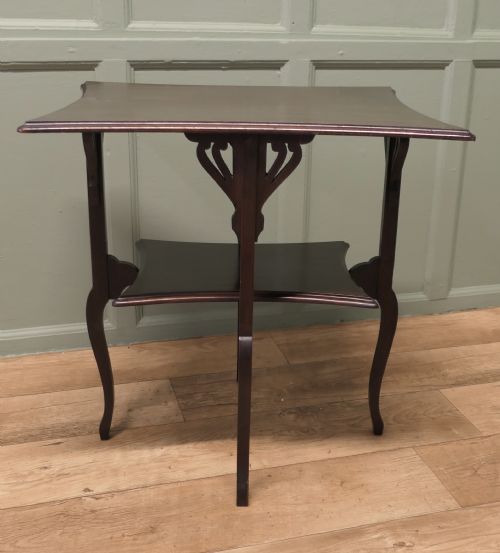
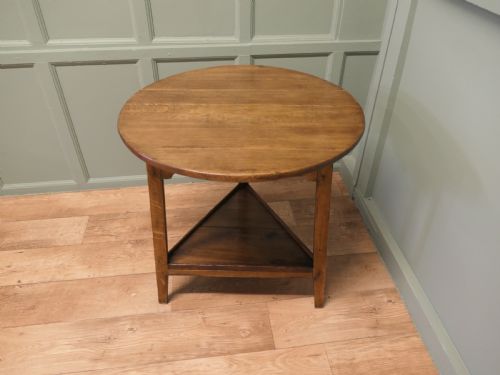
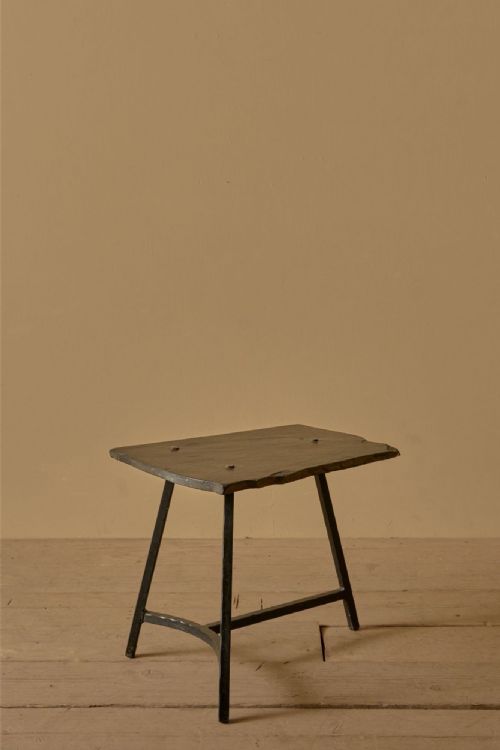
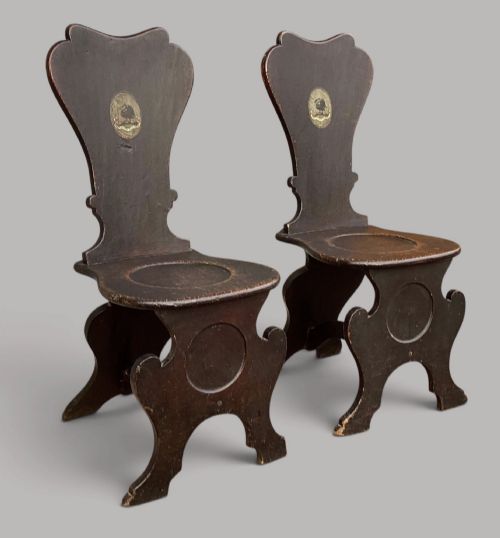
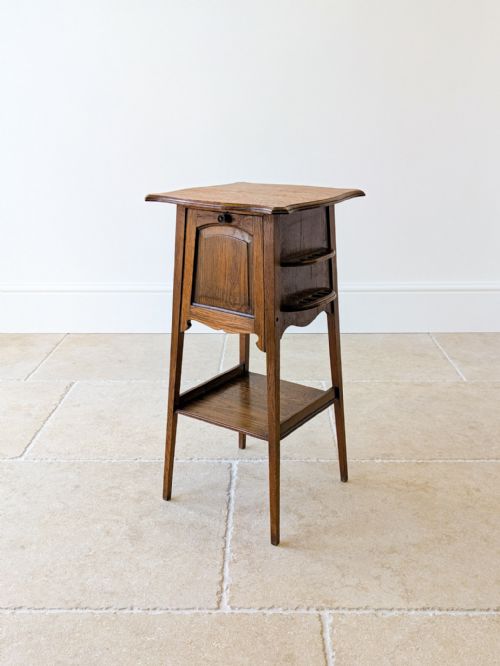
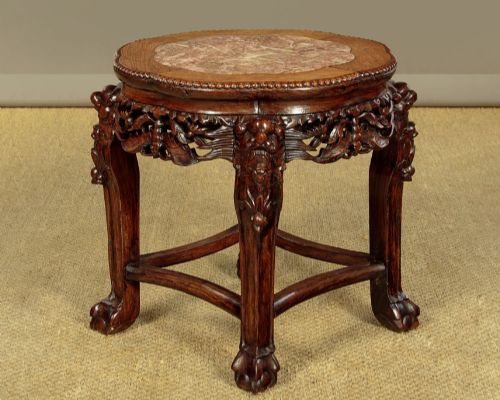
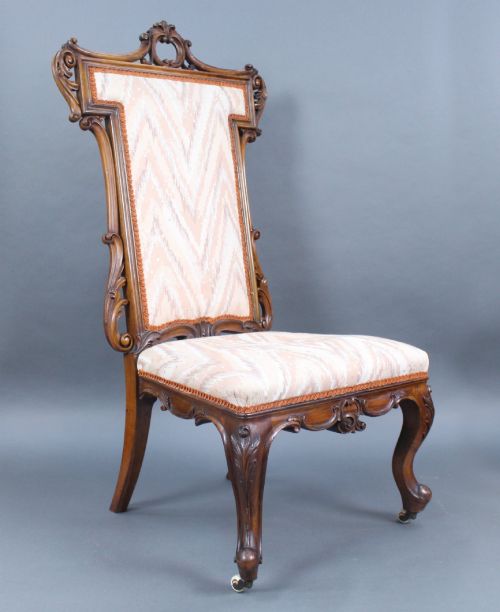
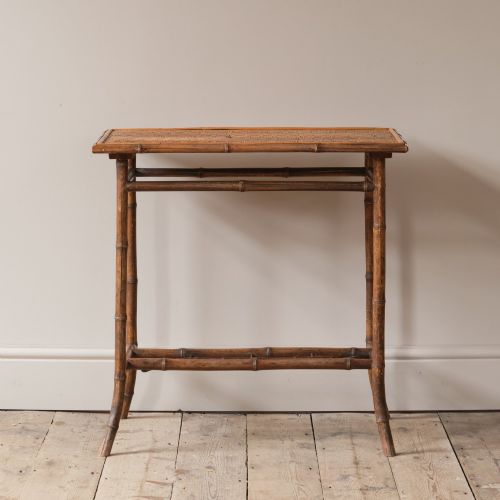
When buyers search for an antique furniture accent, they encounter a diverse selection of small functional items rather than large case pieces. Side tables, occasional chairs, joint stools and low tables dominate the offerings.
The material record spans centuries, moving from early oak joint stools to walnut salon armchairs and mahogany tripod tables. Smaller tables and occasional chairs serve to punctuate a room without dominating the floor plan.
Victorian and Georgian examples sit alongside Arts and Crafts and Aesthetic Movement designs. This variety allows collectors to find forms that suit both traditional and eclectic interiors.
How they were made
Makers utilised solid timbers such as oak, mahogany, walnut and teak, often combining them with brass hardware, cane seating or marble inserts. Inlay work in satinwood, mother-of-pearl and marquetry appears on specific decorative pieces.
Construction methods range from early pegged joinery on seventeenth-century joint stools to intricate turning and carving on nineteenth-century occasional tables. Artisans shaped Burmese hardwoods, bamboo and lacquered surfaces to meet varied stylistic demands.
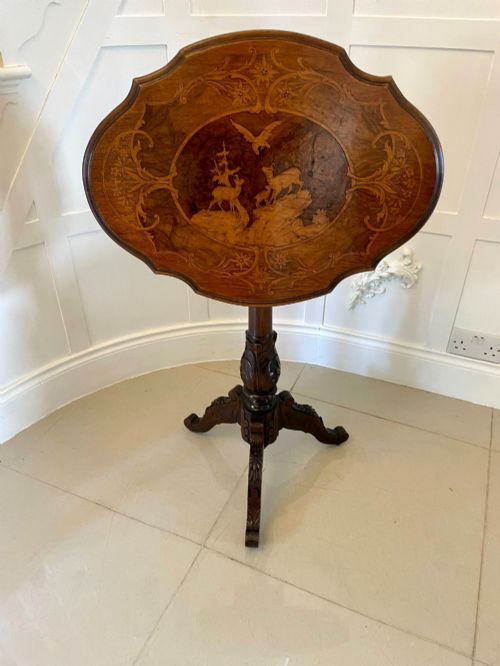
Black Forest tables bring a sudden troupe of hand-carved Swiss wooden bears directly into your parlour.
What varies in quality
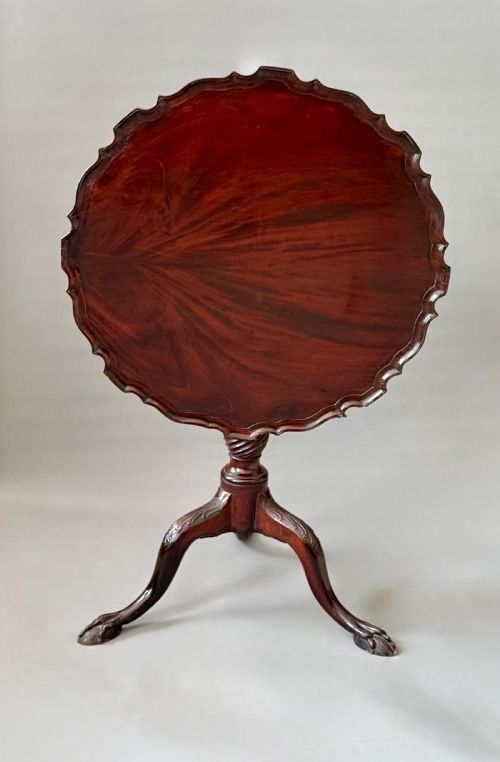
The standard of carving and inlay defines the upper tier of these pieces, distinguishing workshop output from mass production. Crisp detail in mahogany pie crust edges or well-executed marquetry elevates an ordinary table.
Structural integrity and timber selection separate finer examples from lesser ones. Original surface patination, sound joinery and thoughtful proportions mark the distinction between everyday utility items and superior collector pieces.
James Shoolbred·E.W Godwin
The Antique Furniture Accent Glossary
- Lowboy
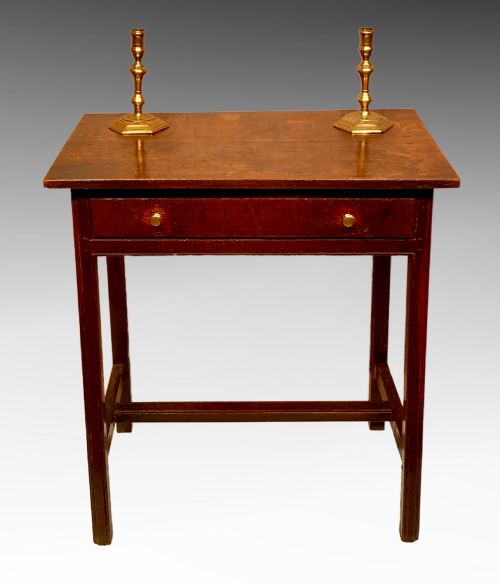
- A small oak or mahogany side table with drawers, commonly produced in the eighteenth century. It typically stands on four legs and served various domestic functions.
- Joint stool
- An early form of wooden stool constructed with pegged mortise and tenon joints. These sturdy seventeenth-century pieces were often built from oak.
- Tripod table
- A small occasional table supported by a pillar above three legs. Georgian versions often feature tilt-top mechanisms or carved edges.
- Marquetry
- The art of applying veneer pieces in decorative patterns to a structure. Makers utilised different coloured woods to create pictorial or geometric designs.
- Scabello
- A type of Renaissance-style chair with a high back and flat wooden seat, often featuring carved or painted armorial details.
Antique Furniture Accent: Frequently Asked Questions
What is an occasional table?
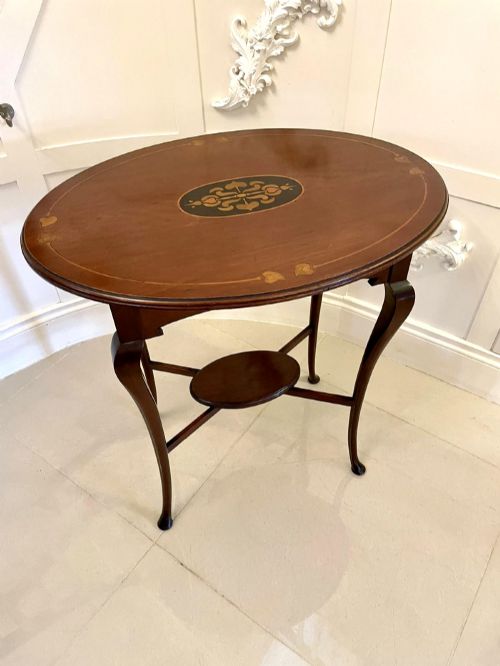
An occasional table is a small, movable piece designed for specific, intermittent use around the home, such as holding a lamp, book or tea service.
These versatile items appear across Victorian, Edwardian and Georgian periods in forms like tripod tables, lamp tables and kidney-shaped surfaces.
How do I use a joint stool?
Joint stools function well as small side tables, plant stands or extra seats in a hallway or living room.
Their robust seventeenth-century oak construction allows them to support weight easily while adding historic character to modern interiors.
What defines a lowboy?
A lowboy is a small eighteenth-century table featuring one or more rows of drawers beneath the top surface.
Originally used as dressing tables or side servers in Georgian homes, they now serve effectively as writing desks or lamp tables.
Where should I place an accent chair?
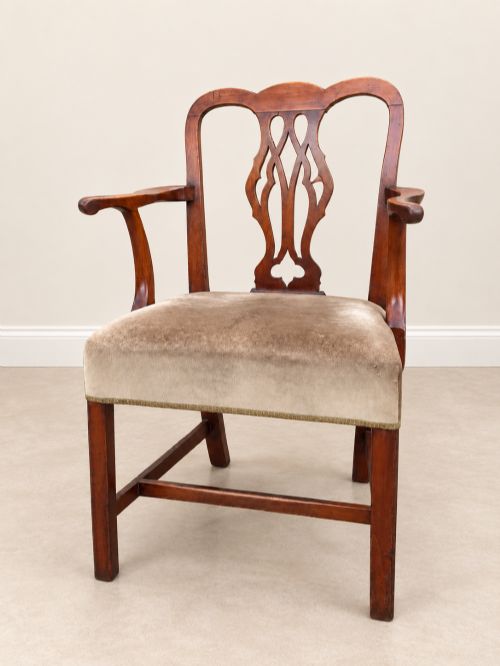
Accent chairs suit empty corners, bedroom spaces or flanking a fireplace where a full-sized suite is impractical.
Armchairs, occasional chairs and salon chairs from the Victorian and Georgian periods introduce texture through materials like cane, damask and carved walnut.