




Antique Fruitwood Stands
These antique fruitwood stands bring warmth and honest regional character to a room through rich timber patination and varied utilitarian forms.
Antique Fruitwood Stands
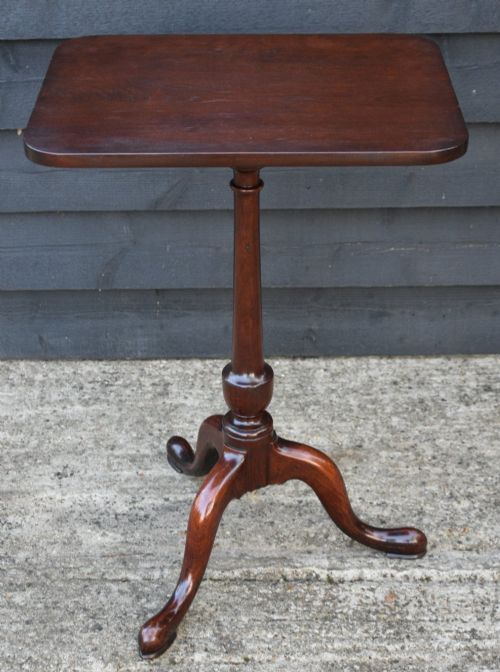
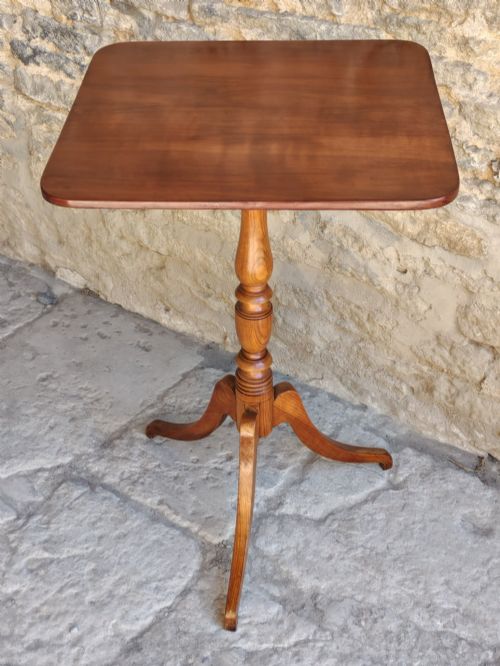
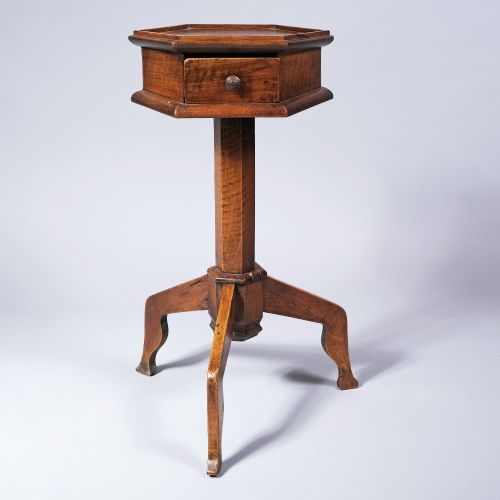
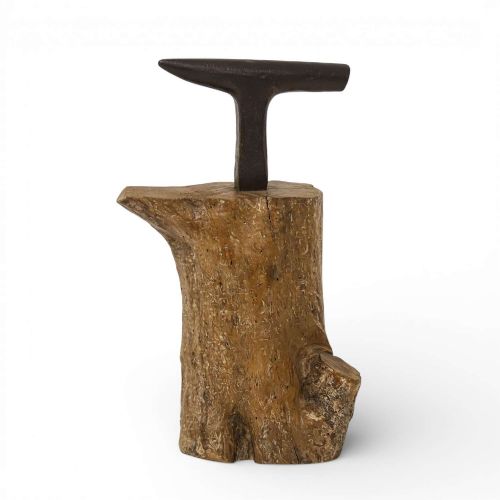
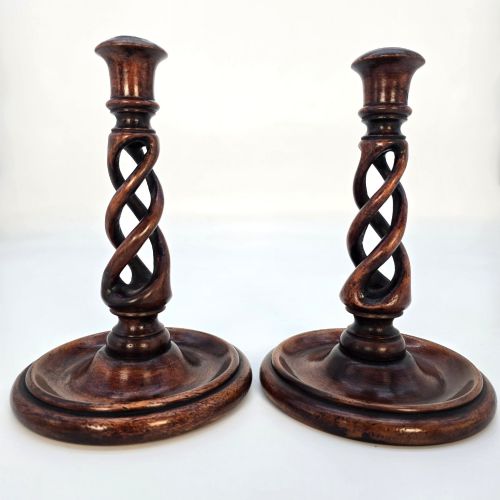
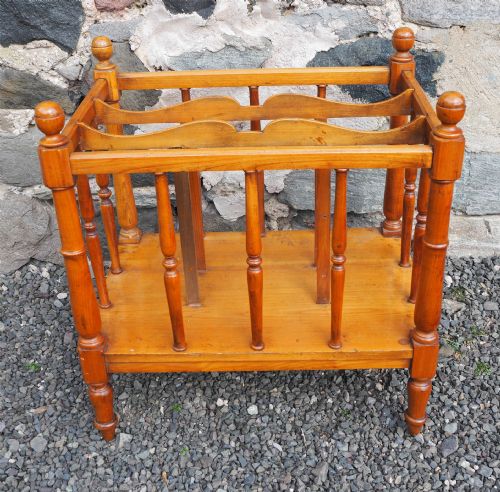
When you search for antique fruitwood stands, you encounter a varied group of utilitarian objects and small tables shaped from dense timber such as apple, pear, or cherry. These pieces span from the seventeenth century through the Georgian and Victorian eras, taking forms ranging from wine tables and occasional tables to candlesticks, hat displays, and bowl stands.
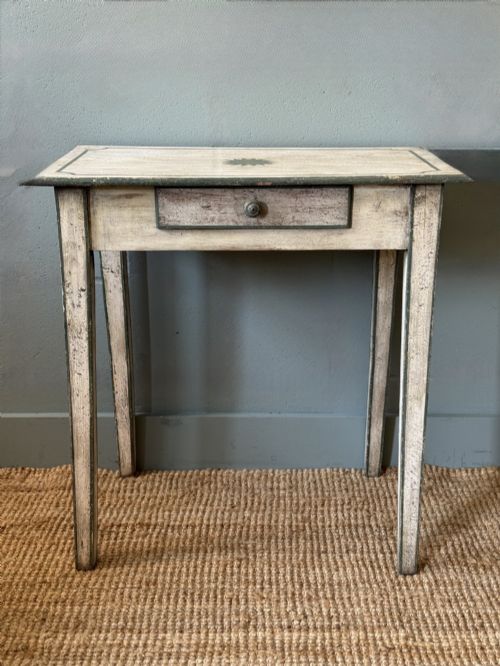
The versions most frequently met on this page include nineteenth-century wine tables with tilt-tops and small French provincial side tables. Alongside these domestic tables, the selection incorporates vernacular treen items, such as plate stands and turned bowl supports, which reflect regional woodworking traditions.
Materials and construction
Makers utilised dense fruitwoods alongside oak and mahogany, often shaping turned columns and open twists by hand on a lathe. Selected pieces incorporate metal components or wrought iron work, particularly where functional durability was required for structural stability.
Surfaces frequently show evidence of early paint applications or simple waxed finishes that allow the natural grain of the wood to show through. Joinery relies on traditional pegging and turning techniques suited to small-scale domestic items and vernacular furniture.
Antique Fruitwood Stands Retail Price Guide 2026
Typical asking prices for fruitwood stands among the pieces listed under this phrase on Sellingantiques today, from the lower quarter to the upper quarter. They describe what is for sale here now, not the wider market.
Listings feature items shaped from fruitwood, oak, mahogany, and wrought iron across the seventeenth, eighteenth, and nineteenth centuries.
Evaluating quality and character
Quality in these stands rests upon the depth of the timber patination and the crispness of the original turning. Pieces that retain their genuine surface wear and honest structural integrity stand apart from those with over-restored or stripped timber.
Proportion and balance also define the better examples, particularly in smaller occasional tables and tilt-top wine tables where the relationship between top, stem, and base governs the visual weight.
The Antique Fruitwood Stands Glossary
- Fruitwood
- Timber sourced from fruit-bearing trees such as apple, pear, plum, and cherry. This wood is prized for its dense grain and warm tonality.
- Tilt-top
- A table mechanism featuring a hinged top that folds flat when not in use. This design allowed furniture to be stored against walls in compact rooms.
- Vernacular
- Everyday objects built by regional craftsmen for local use rather than following high-style metropolitan fashions. Such pieces emphasise utility and local material availability.
Antique Fruitwood Stands: Frequently Asked Questions
What are antique fruitwood stands used for today?
These small tables and display pieces function well as lamp tables, side tables, or decorative accents in modern interiors. Their compact dimensions allow them to fit easily beside seating or in narrow hallways.
Collectors also utilise specialised forms, such as hat stands and bowl supports, as sculptural display objects. Their warm timber tones integrate naturally into both traditional and contemporary room schemes.
How do I identify fruitwood timber?
Fruitwood typically displays a tight, fine grain with warm reddish, brown, or golden undertones that deepen with age. Unlike open-grained oak or ash, fruitwood has a smooth, dense surface texture.
Over centuries of handling and polishing, the timber develops a soft lustre known as patination. This characteristic appearance helps distinguish fruitwood from other common furniture timbers.
What periods do these stands come from?
The listings span multiple centuries, ranging from seventeenth-century devotional items to eighteenth-century Georgian wine tables and nineteenth-century provincial pieces. Each era brings distinct stylistic influences, from French provincial lines to British vernacular turning.
Later pieces from the early twentieth century continue these traditional rural woodworking methods. Examining the construction details and tool marks helps clarify the likely period of manufacture.
Are tilt-top tables stable?
Original tilt-top tables rely on a wedge or catch mechanism beneath the top to secure the surface in a horizontal position. When the mechanism is well-maintained, the table remains steady for holding small lamps or cups.
Wear to the pivoting wooden block can sometimes introduce minor movement, which is common in pieces that have seen centuries of active service. Proper alignment of the catch restores stability.