

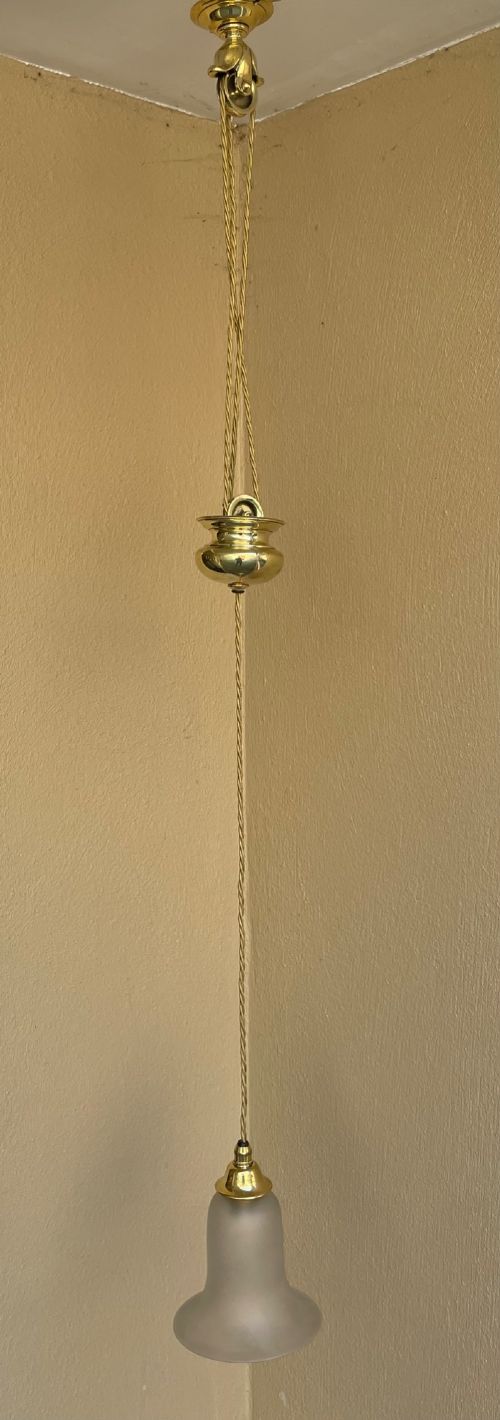
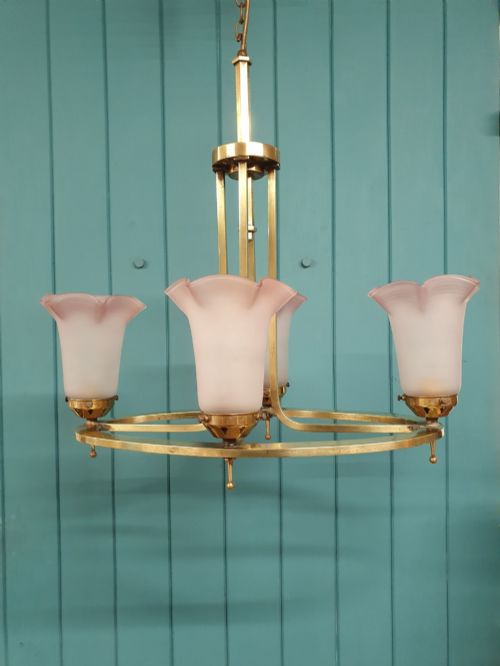


Antique Frosted Pendant
An antique frosted pendant brings diffused illumination and geometric flair to a room, drawing the eye upward with period character.
Antique Frosted Pendant
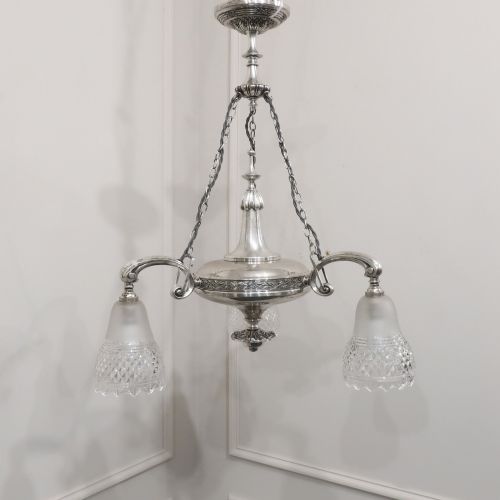
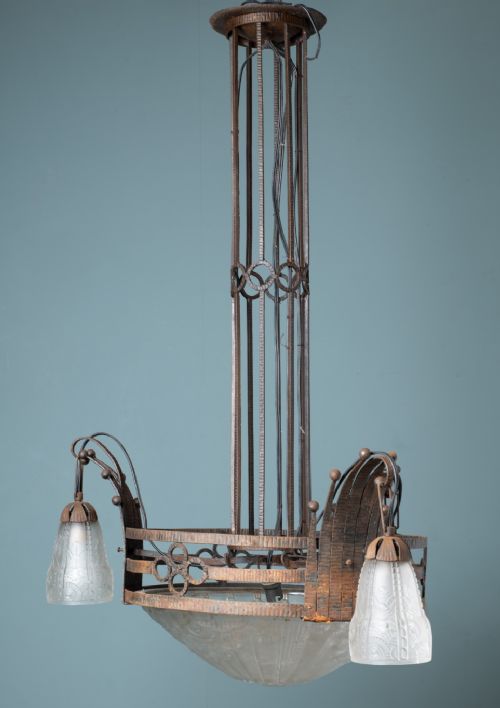
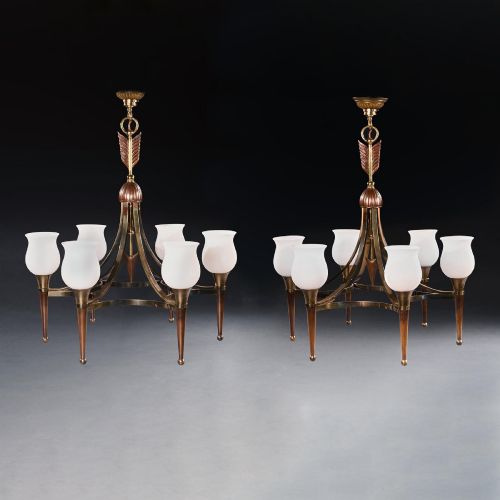
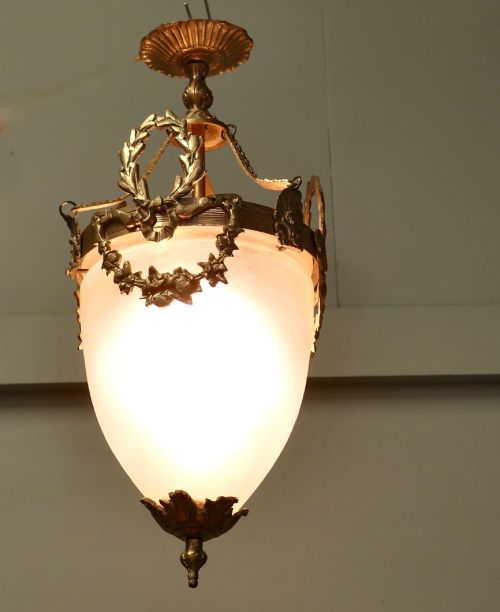
When searching for an antique frosted pendant, buyers encounter ceiling lighting spanning the Victorian era through the Art Deco period. These fixtures serve primarily as overhead illumination for halls, living spaces, and dining rooms.
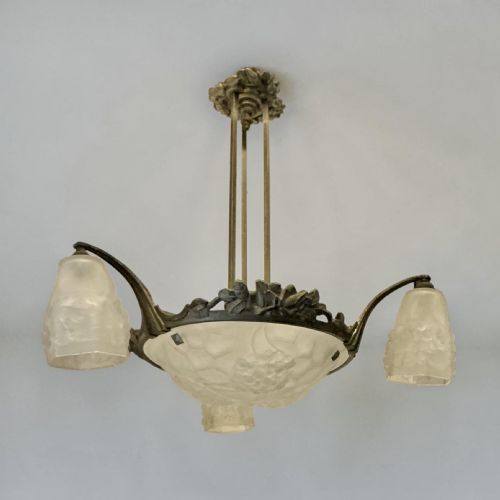
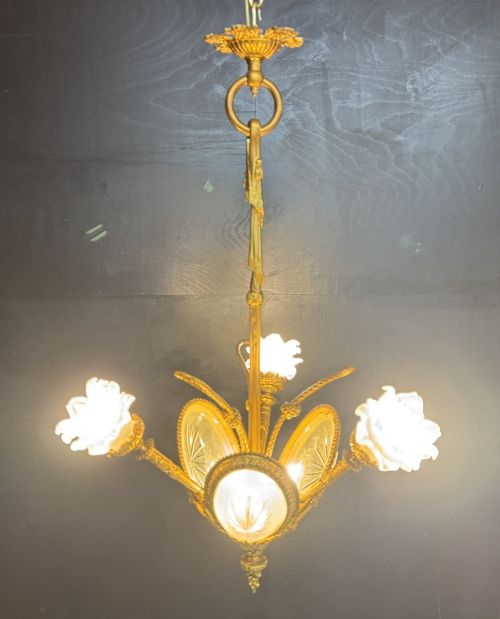
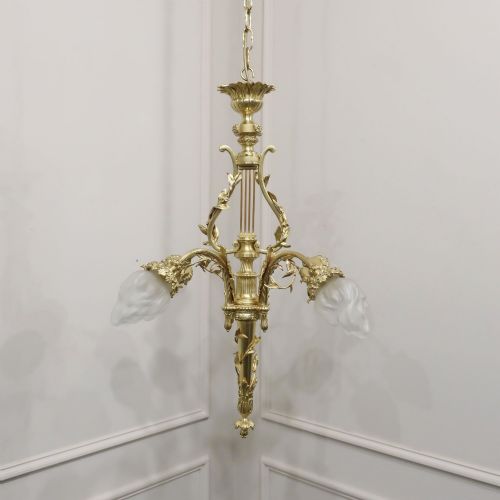
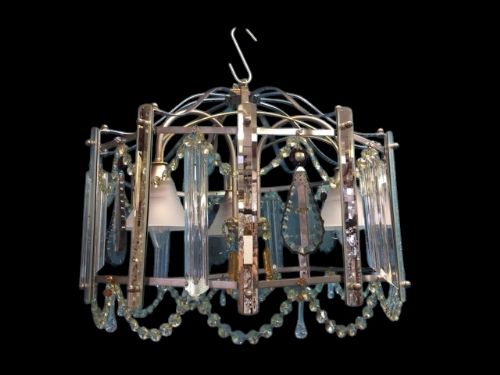
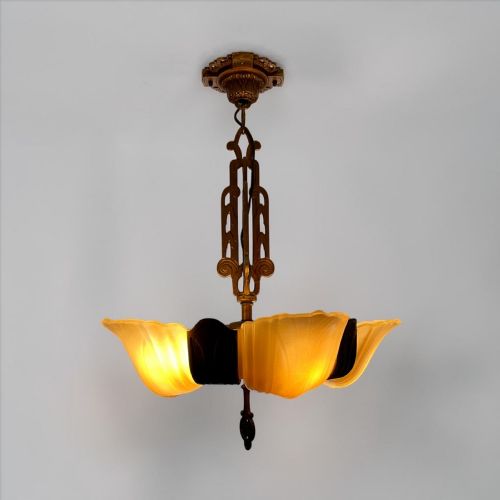
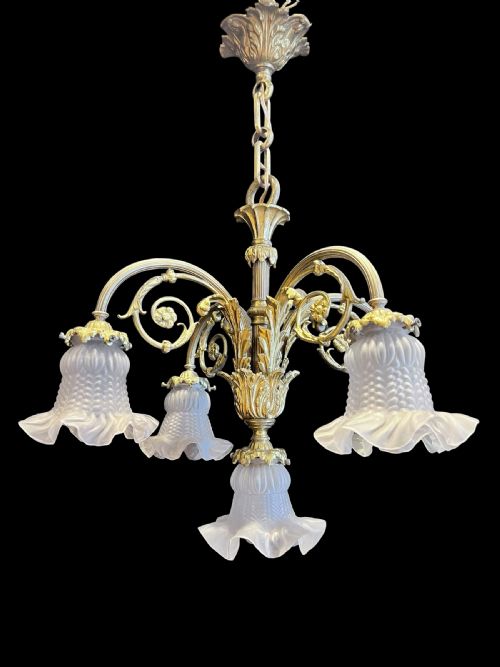
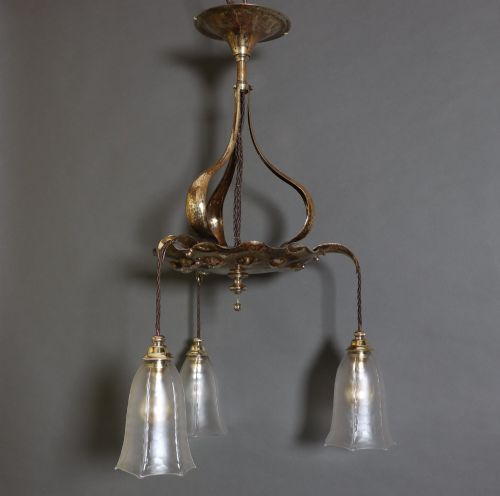
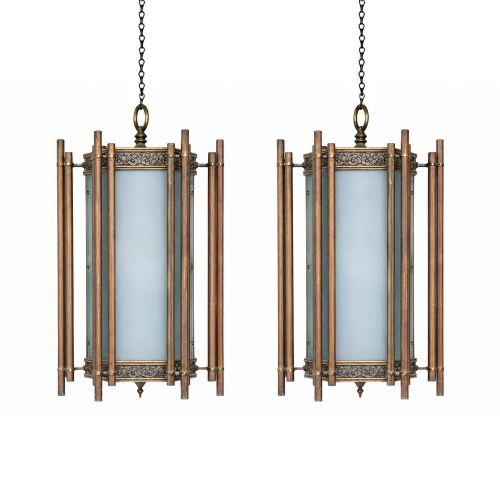
The selections on this page feature forms ranging from single glass bowls and frilly shades to multi-arm chandeliers and hanging lanterns. Art Deco designs and Edwardian brass iterations appear frequently among the listed objects.
Materials and construction methods
The construction relies heavily on combinations of brass, bronze, and copper paired with frosted, etched, or cut glass elements. Metal frames provide structural support while glass shades diffuse the light source.
Workshops utilised techniques such as slip casting for shades and metal beating for frames. Artisans shaped gilt bronze and crystal to achieve the specific stylistic profiles of the French Empire, Arts and Crafts, and Art Deco movements.
Antique Frosted Pendant Retail Price Guide 2026
Typical asking prices for frosted pendant among the pieces listed under this phrase on Sellingantiques today, from the lower quarter to the upper quarter. They describe what is for sale here now, not the wider market.
Some nineteenth-century hall lanterns started life holding candles before electricity came along to ruin the romance.
Markers of quality
Quality depends upon the crispness of the metalwork casting and the uniformity of the glass frosting or etching. Superior pieces display intricate detailing on mounts and frames without obscuring the intended silhouette.
The integrity of the original hardware and the weight of the glass differentiate standard production pieces from workshop creations attributed to known designers.
Degué·Émile-Jacques Ruhlmann·Maison Jansen·Andre Arbus·Osler·Argy Rousseau
The Antique Frosted Pendant Glossary
- Frosted glass
- Glass treated to scatter light and create a translucent appearance. This technique softens the glare from internal bulbs.
- Pendant light
- A light fixture that hangs from the ceiling by a cord, chain, or metal rod. These fixtures provide direct downward illumination.
- Slip shade
- A type of moulded glass shade fitted into a metal frame, common in Art Deco lighting. They often feature geometric or floral reliefs.
- Plafonnier
- A ceiling-mounted light fixture with a bowl-shaped shade sitting close to the surface. It offers a compact alternative to hanging chandeliers.
- Gilt bronze
- Bronze coated with a thin layer of gold, historically known asormolu. This treatment prevents tarnish and yields a bright metallic sheen.
Antique Frosted Pendant: Frequently Asked Questions
What rooms suit an antique frosted pendant?
These pendants fit well in hallways, entryways, and smaller reception rooms where direct overhead lighting is required. Their diffused glow creates an ambient atmosphere without harsh shadows.
Lower ceiling heights benefit from compact flush-mount or close-fitting shade designs, whereas taller spaces accommodate longer chains and multi-tier chandeliers.
How do I identify an Art Deco pendant?
Art Deco pendants typically feature geometric motifs, stepped forms, and slip shades made of moulded frosted glass. The metal components often incorporate chrome, brass, or bronze with clean linear designs.
Pieces from this movement date predominantly from the nineteen-twenties and nineteen-thirties, reflecting the modern industrial aesthetics of the period.
Were these lights originally electrified?
Many examples from the nineteenth century and earlier twentieth century were originally configured for candles or colza oil before later conversion to electricity. Hall lanterns from the Victorian period frequently show adaptations from earlier fuel sources.
Edwardian and later twentieth-century iterations generally emerged from workshops designed specifically for electrical wiring.
What is the difference between a pendant and a hall lantern?
A pendant light suspends a single shade or bowl from the ceiling to diffuse illumination across a general area. It focuses on the glass element as the primary decorative feature.
A hall lantern incorporates a glazed frame with multiple glass panes enclosing the light source, traditionally positioned in narrow entryways to protect against drafts.