




Antique French Wall Textile
An antique french wall textile brings centuries of woven artistry into a room, offering tactile depth and rich historical narrative.
Antique French Wall Textile
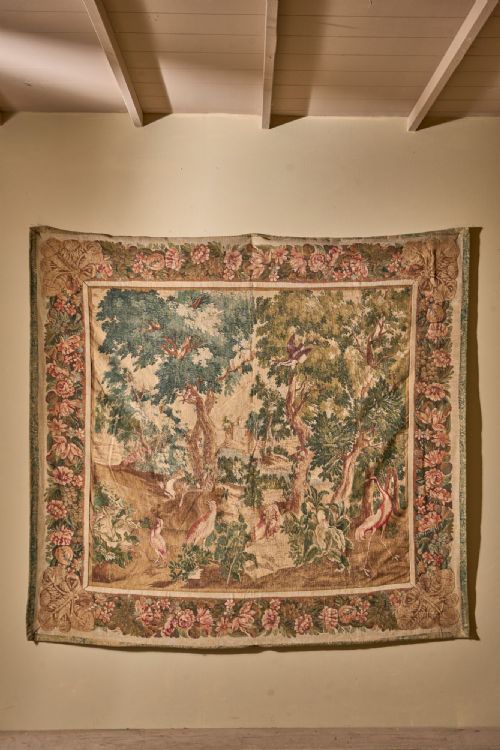
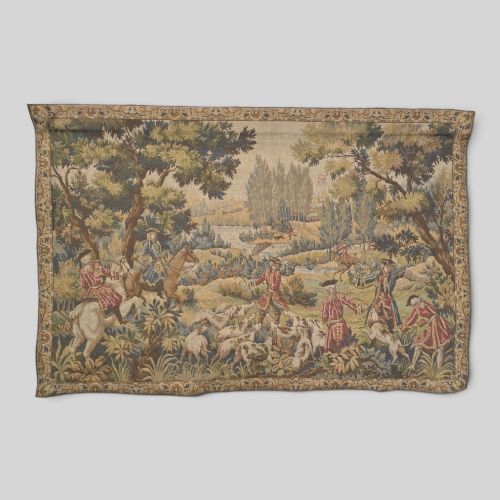
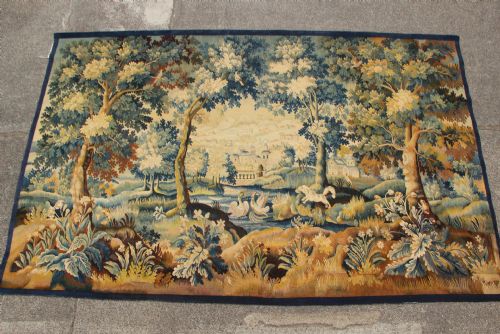
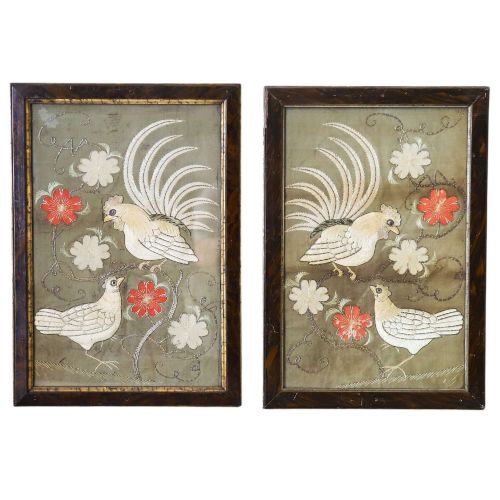
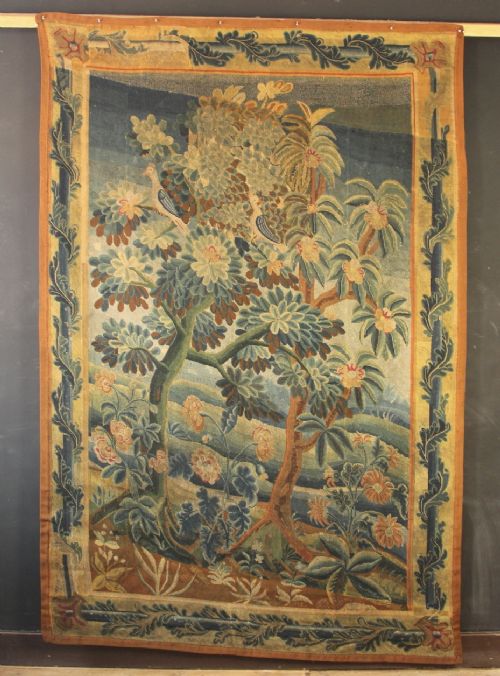
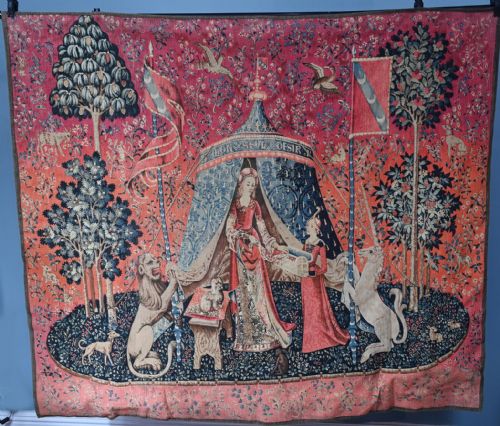
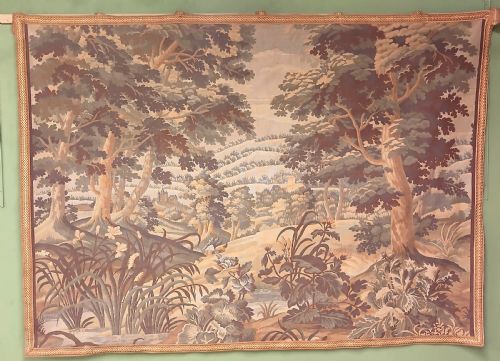
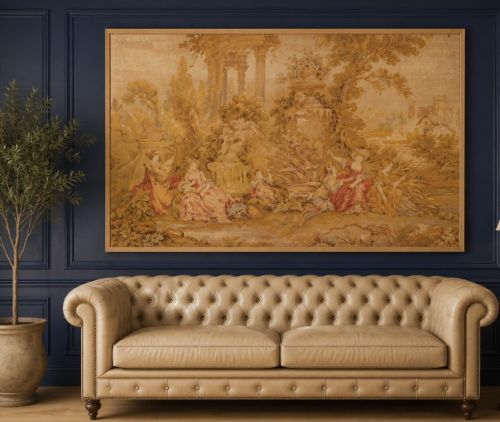
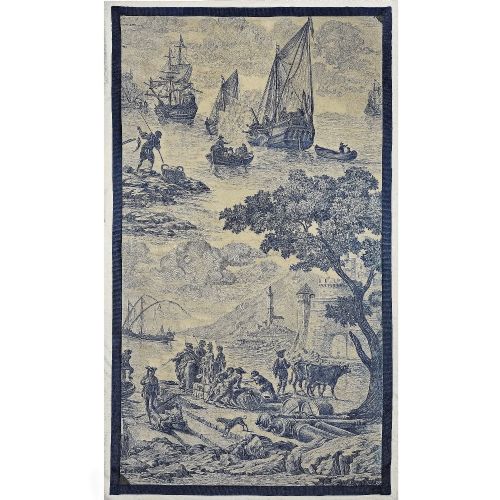
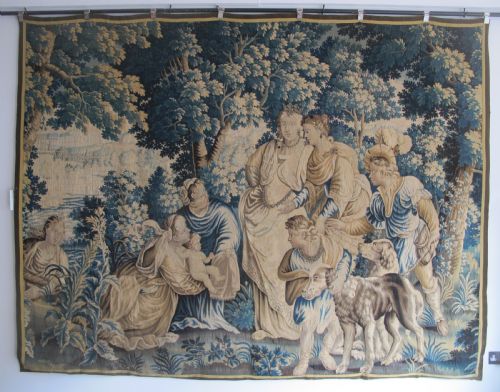
When you search for an antique french wall textile, you encounter a diverse range of historic woven and embroidered pieces designed to ornament interiors. The selection spans grand tapestries depicting biblical scenes, pastoral landscapes, and verdure motifs alongside smaller needlework panels and framed silk embroideries.
The most common pieces on this page are large 19th-century hangings and 18th-century verdure panels originating from French workshops. Buyers frequently find Aubusson weaves, needlepoint panels, and framed textile art that reflect classical French design traditions.
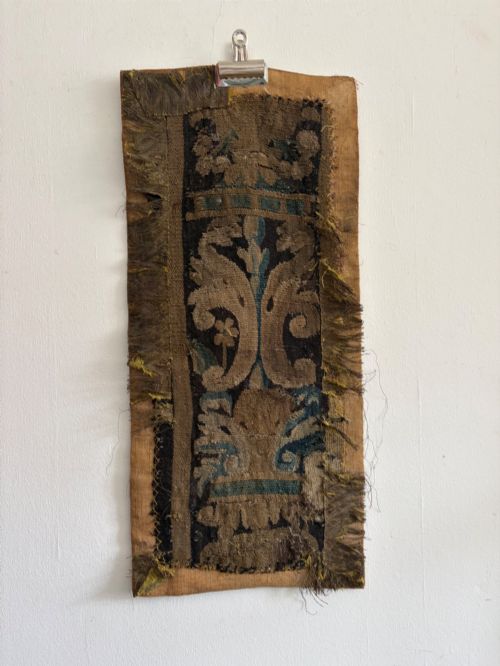
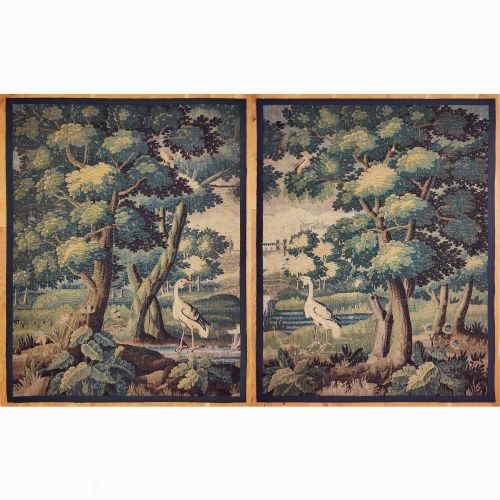
Many items survive as fragments, border pieces, or matched pairs designed originally for specific architectural spaces like entre-fenêtres. These textiles bring historic character to modern rooms through their muted natural dyes and intricate craftsmanship.
Materials and Techniques
The construction of these textiles relies primarily on wool, silk, and cotton threads worked on canvas or linen foundations. Weavers employed traditional hand-loom techniques to build complex pictorial surfaces, often combining wool for structural warmth with fine silk for luminous highlight details.
Needlework panels and embroideries utilise tent stitch and other specialised needlepoint methods executed directly on supportive linen backings. Silk velvet hangings utilise ciselé techniques to create cut and uncut pile patterns that catch the light against plain woven grounds.
Framed pieces incorporate supporting wooden structures, sometimes utilising glass, canvas, and walnut frames to protect delicate fibres. Selected textile fragments receive conservation backing on linen to ensure stability when mounted for display.
Listings feature textiles spanning four centuries, from the 16th century to the 1920s, utilising wool, silk, cotton, and velvet.
Assessing Quality and Execution
Quality in these textiles rests upon the density of the weave, the intricacy of the pictorial composition, and the skill evident in the colour blending. Finer examples display subtle tonal gradations in verdure foliage and expressive detail in human or animal figures.
Condition and originality dictate the standing of a piece within the field, distinguishing intact compositions from heavily restored fragments or later adaptations. The prestige associated with specific weaving centres like Aubusson also influences the standing of a textile.
The sophistication of the mounting and framing contributes to the overall integrity of the piece. Superior examples retain their original scale and proportional balance without excessive intervention.
The Antique French Wall Textile Glossary
- Aubusson
- A style of tapestry woven in the town of Aubusson in central France. These pieces typically feature pastoral scenes, architectural elements, or verdure landscapes.
- Verdure
- A type of tapestry or needlework dominated by lush foliage, trees, and plants, often including birds or small animals. These designs were popular for bringing exterior nature indoors.
- Ciselé velvet
- A velvet fabric featuring patterns created by combining cut and uncut loops. This technique produces a textured relief effect against the backing material.
- Entre-fenêtre
- A tall, narrow tapestry or hanging specifically proportioned to fit the wall space between two windows. They often display vertical floral or architectural motifs.
- Mille-fleurs
- A background style composed of a multitude of small flowers and plants scattered across the field. This medieval decorative convention appears in early tapestry designs.
- Needlepoint
- Embroidery stitched onto a stiff open-weave canvas foundation that completely covers the ground fabric. It allows for dense pictorial and geometric pattern creation.
Antique French Wall Textile: Frequently Asked Questions
How do I hang a heavy antique tapestry safely?
Large textiles require even weight distribution to prevent distortion of the historic fibres. Professional conservators generally recommend sewing a supportive cotton or linen sleeve to the reverse and sliding a flat metal bar through.
The bar then mounts securely to wall brackets, keeping the textile suspended clear of direct sunlight and damp surfaces. Avoid hanging heavy pieces directly from small nails or rings punched through the original fabric.
What is a verdure tapestry?
A verdure tapestry depicts a stylised forest landscape filled with leafy trees, plants, and foliage. These scenes often incorporate hidden birds, chateaux, or winding streams in muted greens and browns.
Historically woven in centres like Aubusson, they served as insulating wall coverings in grand European homes. Their earthy palettes make them adaptable companions for traditional and contemporary interiors alike.
How can I tell an 18th-century tapestry from a 19th-century copy?
Dating relies on examining the materials, dye types, and hand-weaving characteristics visible across the reverse and edges. Earlier 18th-century works typically employ hand-spun yarns dyed with natural substances that age with distinct subtlety.
Twentieth-century or later copies often display uniform synthetic dyes and tighter, more mechanical weave structures. Comparing the stylistic conventions of the figures and borders against documented museum pieces confirms the period.