



Antique French Street Scene
An antique french street scene captures the historic urban pulse of Paris and regional France through the skilled brushwork of past generations.
Antique French Street Scene
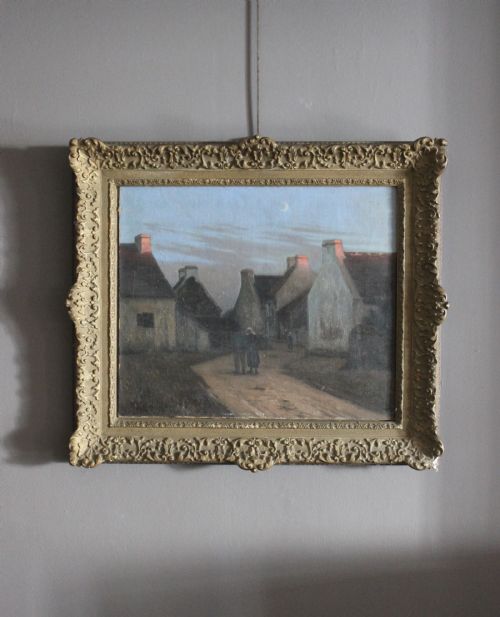
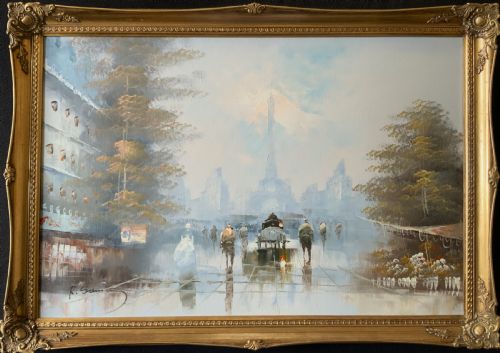
An antique french street scene brings historic urban vistas into the room, depicting famous landmarks, bustling markets, and quiet corners of Paris and provincial towns. These works span from the nineteenth century into the mid-twentieth century, capturing changing moods from crisp winter mornings to busy market days.
The pieces appearing on this page take the form of fine art paintings and waterworks, executed in mediums such as oil on canvas, oil on board, and watercolour on paper. Painters often focused on daily life, showing figures with horses and carts, church squares, and snowy cityscapes under changing daylight.
Buyers encounter a variety of stylistic approaches, ranging from French Realism and the Belle Epoque to Impressionism and Post-Impressionism. Whether signed by notable artists or presenting anonymous townscapes, these artworks offer a direct window into historical French urban culture.
How they were made
Artists relied primarily on oil paint applied to canvas, wood panels, or board, building texture and depth with layered brushstrokes. Watercolour and pastel on paper provided a lighter touch for rapid topographical studies and intimate street vignettes.
Many surviving works retain their period frames constructed from wood, frequently enhanced with gold leaf gilding to complement the artwork within. The combination of durable canvas supports and rich oil pigments ensured these outdoor and urban impressions survived decades of display.
Antique French Street Scene Retail Price Guide 2026
Typical asking prices for french street scene among the pieces listed under this phrase on Sellingantiques today, from the lower quarter to the upper quarter. They describe what is for sale here now, not the wider market.
Stylistic influences represented span French Realism, the Belle Epoque, Impressionism, and Post-Impressionism.
What varies in quality
The strength of a composition dictates the visual success of the piece, separating dynamic depictions of urban bustle from stiff or formulaic topographical records. Skilled handling of light and atmospheric perspective creates genuine depth, drawing the viewer directly into the historic thoroughfare.
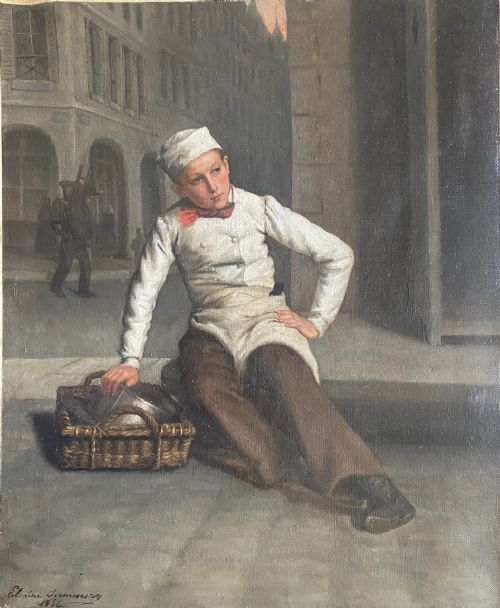
The handling of figures and movement adds significant character, as seen in the rendering of street children, market traders, and passing carriages. Works that capture the specific atmosphere of a cold day or a sunlit square demonstrate greater artistic mastery than static renderings.
Albert Ludovici Jnr·Victor Gabriel Gilbert·Léon Joseph Voirin·Eduard Leon Cortes·Joseph W. Milliken·Letitia Marion Hamilton
The Antique French Street Scene Glossary
- Post-Impressionism
- An artistic movement extending beyond Impressionism that explored emotional response and structural form rather than purely optical recording. Artists utilised bold brushwork and distinct colour palettes to interpret urban scenes.
- Genre painting
- Artwork depicting scenes from ordinary life, typically involving people engaged in common activities. These pieces provide valuable insight into historical social habits and street life.
- Oil on canvas
- A traditional painting technique utilising pigments suspended in drying oils applied to a stretched woven fabric support. This combination offers rich colour depth and longevity.
- Gilded wood
- Wood surfaces decorated with a thin layer of gold leaf or powder. Period frames often employ this technique to enhance the visual presentation of the painting.
Antique French Street Scene: Frequently Asked Questions
What periods do these street scenes cover?
The available artworks span from the mid-nineteenth century through the Belle Epoque and into the mid-twentieth century. This timeline covers significant shifts in French painting styles from academic realism to impressionistic interpretations.
Earlier nineteenth-century works often focus on precise architectural details and salon traditions, while later pieces adopt looser brushwork to capture the kinetic energy of modern city life.
How should I care for an oil painting on canvas?
Keep paintings away from direct sunlight and areas subject to sharp fluctuations in temperature and humidity to prevent canvas slackening and paint cracking. Gentle dusting with a soft, dry brush is sufficient for routine maintenance.
Avoid using water, chemical cleaners, or cloths on the painted surface. Professional conservation should be sought if the canvas requires cleaning or structural repair.
Are these paintings original works?
The selection comprises original hand-painted artworks created in mediums such as oil, watercolour, and pastel. Each piece represents a unique hand-rendered interpretation by an artist recording a specific French location.
Signatures appear on many pieces, while others remain unsigned townscapes reflecting the broader output of regional French and European schools.
What subjects are most common in these artworks?
Urban vistas focusing on Parisian landmarks, cathedrals, and public squares dominate the selection. Snow scenes, market days, and bustling thoroughfares featuring pedestrians and horse-drawn transport also appear frequently.
Artists frequently sought out recognizable locations such as Montmartre and local churches, recording the daily rhythms of nineteenth and twentieth-century French life.