







Antique French Finials
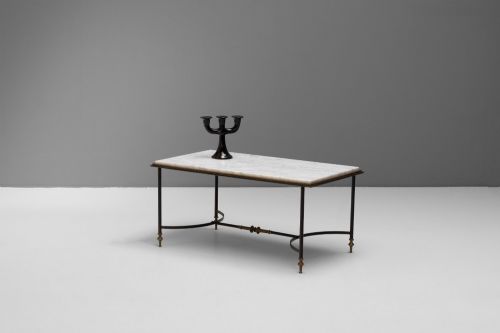
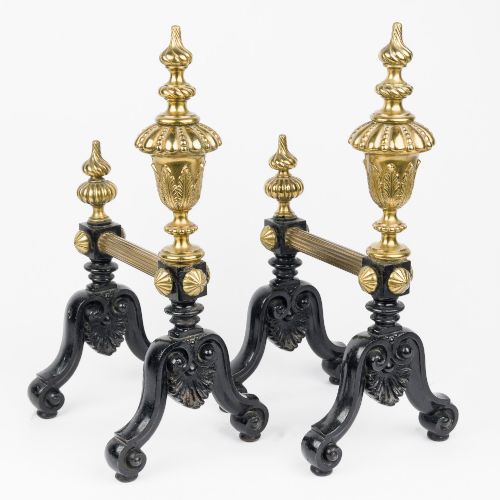
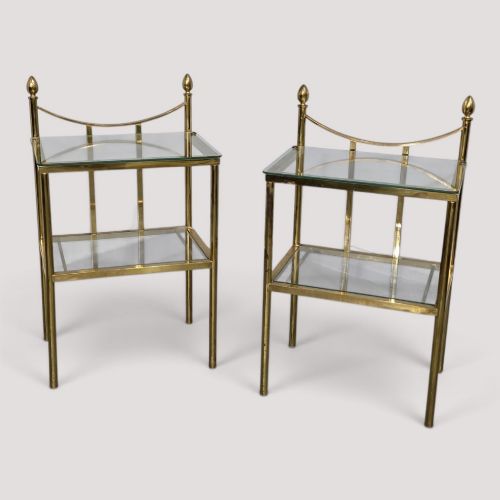
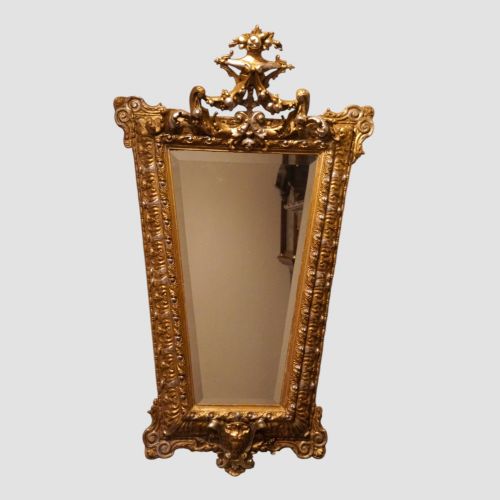
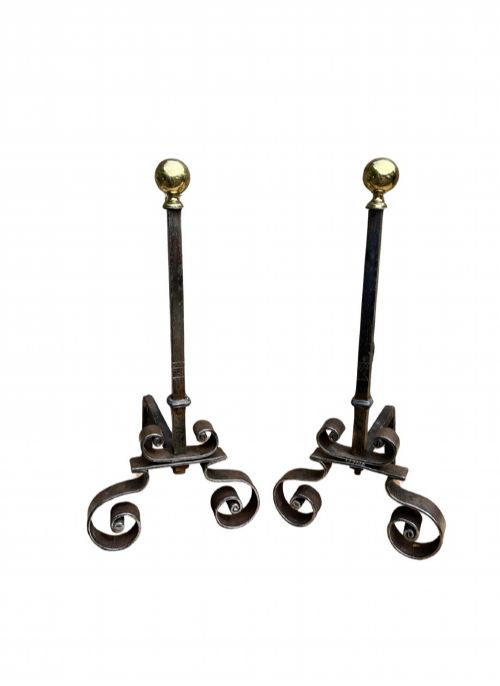
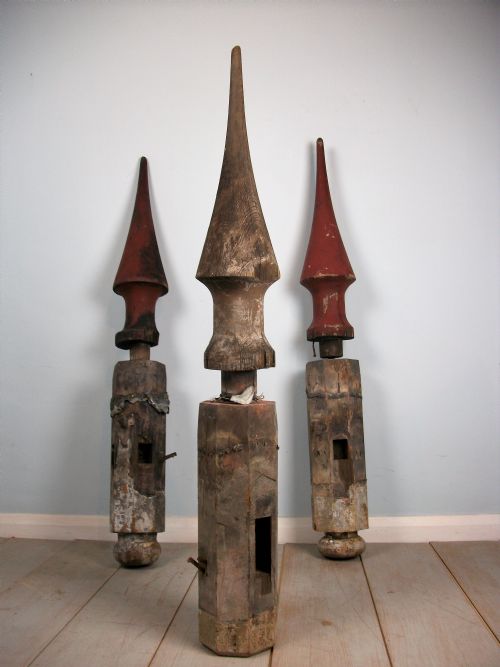
These antique french finials bring sculptural height and decorative weight to furniture, clocks, and architectural woodwork.
Antique French Finials
When you search for antique french finials, you encounter decorative terminal ornaments designed to cap architectural elements, clocks, and furniture. The items span periods from the eighteenth century through the nineteenth century, reflecting historical decorative movements including Rococo and Empire styles.
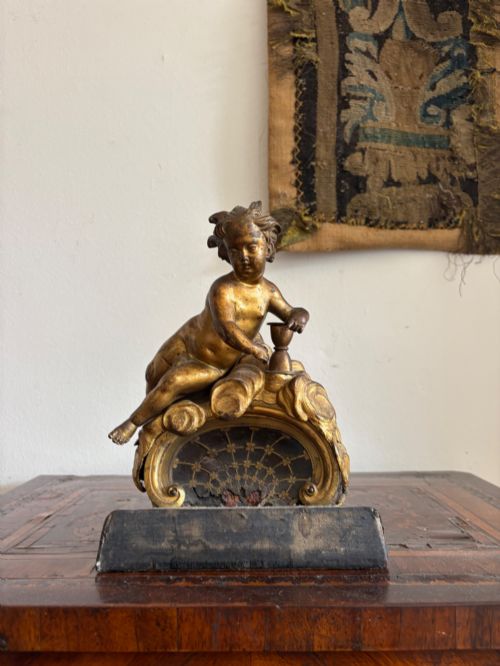
The forms associated with these pieces range from cast bronze putti and cherubs to floral baskets and architectural spire ornaments. Many examples emerge as mounts or garnitures detached from larger mantel clocks, mirrors, and case pieces.
Originating predominantly from French workshops, these ornaments display the characteristic ornamentation of periods such as Louis XIV and Neoclassical revivals. They function both as replacements for missing hardware and as decorative display objects in their own right.
How They Were Made
Makers utilised bronze casting, often employing ormolu techniques to apply fine layers of gold to the metal surface. This process produced durable ornaments with contrasting bright and matte metallic finishes that catch light effectively.
Wood elements such as giltwood and carved walnut appear alongside gilt bronze, cast iron, and terracotta. Artisans carved timber directly or shaped clay before firing, finishing surfaces with applied gold leaf or paint.
Assembly involved mechanical fastening using threaded screws or pins integrated into the casting or carving. This allowed secure attachment to the tops of clocks, panetiere cabinets, and architectural woodwork.
Antique French Finials Retail Price Guide 2026
Typical asking prices for french finials among the pieces listed under this phrase on Sellingantiques today, from the lower quarter to the upper quarter. They describe what is for sale here now, not the wider market.
A terracotta cat figure by Bavent stands ready to guard the roof tiles.
What Varies in Quality
The crispness of the chasing and hand-finishing on metalwork dictates the visual success of cast bronze and ormolu pieces. Softer, blurred surface details indicate worn production moulds or heavy later cleaning that removed the original crisp definition.
The preservation of original gilding surfaces distinguishes superior examples from those with extensive later repainting or re-gilding. Traces of original fire gilding reveal the intended warm, deep lustre characteristic of period French manufacturing.
The structural integrity of mounting pins and fixing points determines whether an ornament remains viable for attachment or requires conservation. Original, unaltered fixing stems provide evidence of period authenticity.
Samuel Marti·Manufacture de la Reine·Durand
The Antique French Finials Glossary
- Ormolu
- Gilt bronze produced by applying a mercury and gold amalgam to a bronze base and heating it until the mercury vaporised, leaving a durable gold layer. This technique creates a distinctive warm metallic finish found on many nineteenth-century decorative mounts.
- Putto
- A representation of a plump, naked male child, often winged, derived from classical art and frequently utilised in Renaissance and Rococo ornament. These figures appear frequently atop clock cases and architectural woodwork.
- Garniture
- A set of matching decorative objects, typically comprising a central clock flanked by matching urns or vases designed to sit together on a mantelpiece. Individual elements from these sets often survive independently as decorative finials.
- Boulle
- A form of marquetry developed by André-Charles Boulle utilising tortoiseshell and brass inlaid in contrasting patterns. This technique decorates the wooden cases of clocks and furniture that originally carried matching metal finials.
- Toleware
- Painted or lacquered sheet metal items manufactured in Europe during the eighteenth and nineteenth centuries. These domestic objects and decorative urns often incorporate applied metal ornamentation.
Antique French Finials: Frequently Asked Questions
What were antique french finials used for?
These decorative ornaments served as terminal caps on the peaks of mantel clocks, mirrors, cabinets, and beds. They provided a visual focal point that completed the architectural silhouette of large furnishings.
Craftsmen also used them as decorative mounts on case furniture and architectural woodwork to signal wealth and adherence to prevailing classical styles.
How do I mount a loose finial?
Most period ornaments retain an integrated threaded pin or stem projecting from the base. This original fixing typically screws directly into a pre-drilled aperture on the top of the furniture piece.
If the original pin is missing or damaged, professional conservators can fabricate a compatible threaded brass rod to secure the ornament without altering historical material.
How do I distinguish eighteenth-century pieces from nineteenth-century revivals?
Eighteenth-century examples often exhibit hand-chased surface details that show subtle irregularities from individual tool marks. The bronze alloys and fire gilding methods also differ from later industrial techniques.
Nineteenth-century revival pieces produced during the Victorian era frequently utilise machine tooling alongside casting, reflecting mass-production advances while imitating earlier Louis styles.
Can these ornaments be cleaned safely?
Dust accumulation requires only gentle removal using a soft, dry natural bristle brush. Aggressive polishing agents strip fragile gold leaf and historical ormolu surfaces permanently.
Professional conservators should handle any chemical cleaning or restoration to preserve the underlying metal and residual gilding layers.