

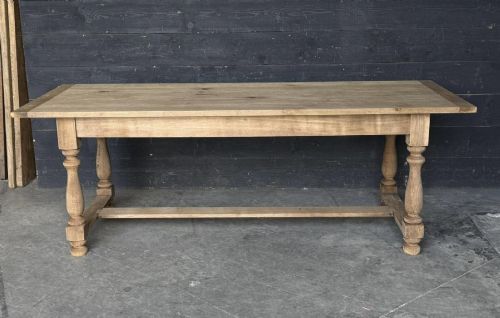
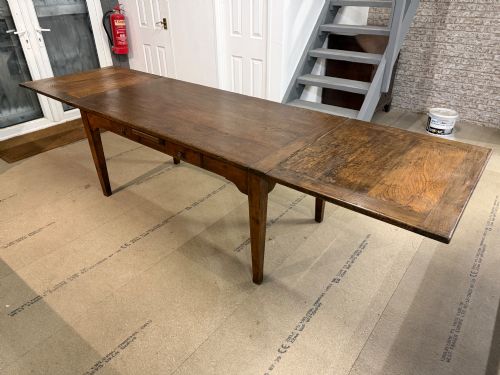


Antique French Extension Table
An antique french extension table offers practical dining space through clever mechanism, bringing rustic charm and solid timber construction to the home.
Antique French Extension Table
An antique french extension table provides generous dining space through sliding mechanisms or folding leaves. These pieces suit everyday family meals as well as larger gatherings.
The selections on this page feature robust dining tables from various periods, including the nineteenth century and early twentieth century. Buyers encounter styles such as rustic farmhouse, french country, provincial, and neoclassical.
How they were made
Cabinetmakers constructed these tables using sturdy timbers such as oak, walnut, cherry wood, and fruitwood. Solid wood construction ensured durability for heavy daily use in kitchens and dining rooms.
Joinery techniques supported complex extension mechanisms, allowing leaves or bread slides to operate smoothly. Artisans added decorative touches including carved details and geometric parquetry patterns on the tabletops.
Antique French Extension Table Retail Price Guide 2026
Typical asking prices for french extension table among the pieces listed under this phrase on Sellingantiques today, from the lower quarter to the upper quarter. They describe what is for sale here now, not the wider market.
Some tables include hidden bread slides, perfect for hiding your afternoon biscuits from greedy guests.
What varies in quality
Quality rests upon the selection of timber and the precision of the extension mechanism. Finer pieces display carefully matched parquetry work and smooth sliding leaves that align flush with the main surface.
Carving depth and proportion distinguish simpler farmhouse furniture from refined neoclassical or provincial examples. The integrity of the underlying framing determines how well the table bears weight when fully extended.
The Antique French Extension Table Glossary
- Draw-leaf table
- A table with pull-out leaves stored beneath the main top that extend outward to increase surface area. This clever mechanism allows the table to expand without removing separate boards.
- Parquetry
- Geometric wood inlay work arranged in patterns across the tabletop. Artisans used contrasting tones of timber to create decorative geometric designs.
- Bread slide
- A pull-out shelf positioned beneath the main surface historically used for cooling bread or serving food. This feature appears frequently on traditional dining tables.
- Cabriole leg
- A furniture leg that curves outward and then tapers inward with a pad or scroll foot. This stylistic element is common in classical furniture design.
Antique French Extension Table: Frequently Asked Questions
How do extension mechanisms work?
Tables utilise draw leaves or double extending systems where additional panels slide out from beneath the main surface. This design keeps the leaves integrated with the frame.
Users simply pull the ends outward to reveal the hidden leaves, which rise or lock into place to create an extended dining surface.
What materials are used?
Cabinetmakers built these pieces using solid timbers including oak, walnut, cherry wood, and various fruitwoods. These dense woods provided the strength needed for daily dining use.
Parquetry surfaces and carved details were applied to enhance the visual appeal of the timber.
Where were they placed?
These dining tables served as the centrepiece of French kitchens, country homes, and formal dining rooms. Their expandable nature made them adaptable for both daily family use and hosting guests.
Gate-leg and farmhouse formats allowed owners to adjust room layouts easily depending on dining needs.
How do I identify the period?
Dating relies on construction methods, timber choice, and stylistic cues such as provincial carvings or neoclassical lines. Nineteenth-century examples often display heavy solid timber frames and hand-tooled joints.
Twentieth-century pieces from the nineteen-thirties sometimes incorporate refined parquetry and smoother mechanical runners.