

Antique Framed Watercolor
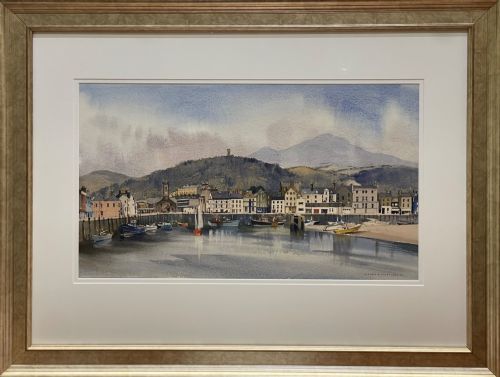
When you search for antique framed watercolor, you uncover delicate works on paper secured beneath glass in period timber.
Antique Framed Watercolor
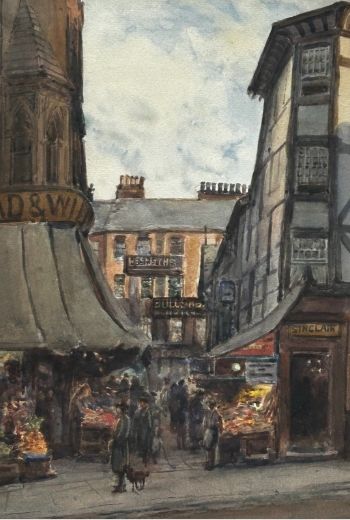
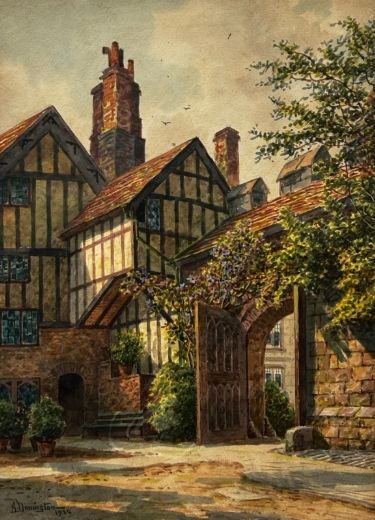
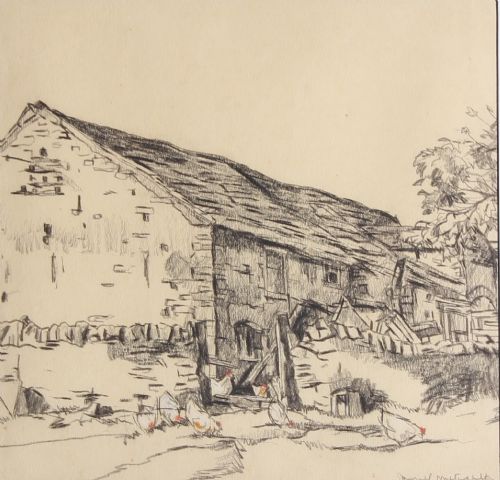
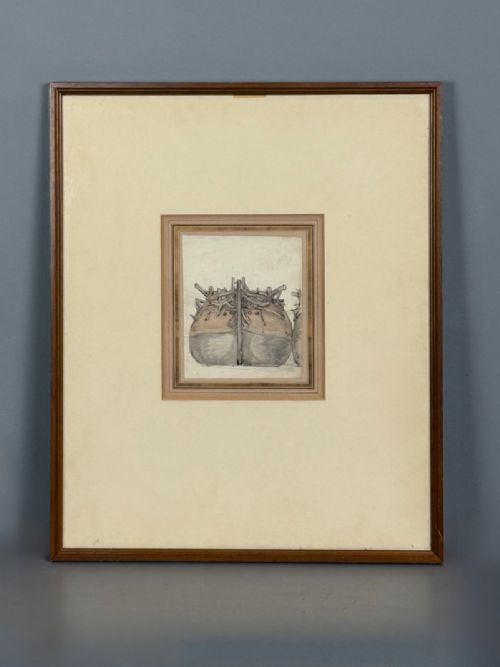
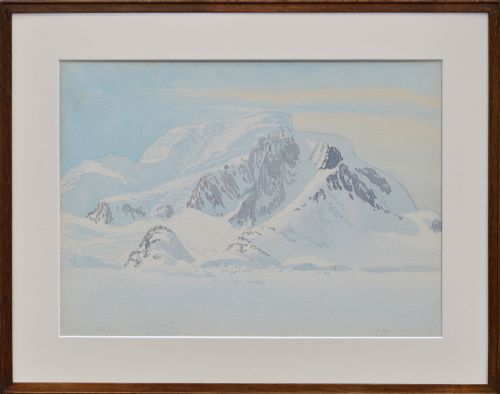
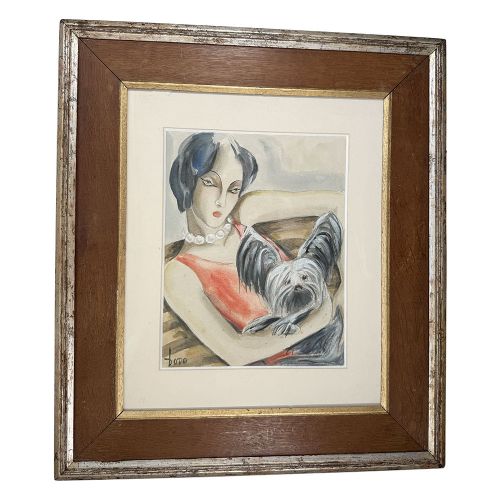
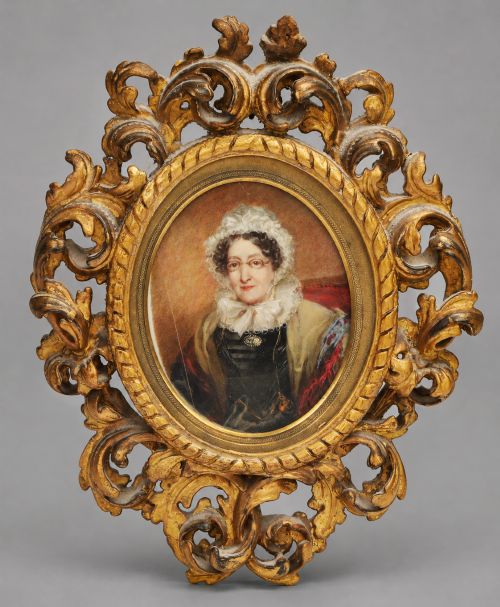
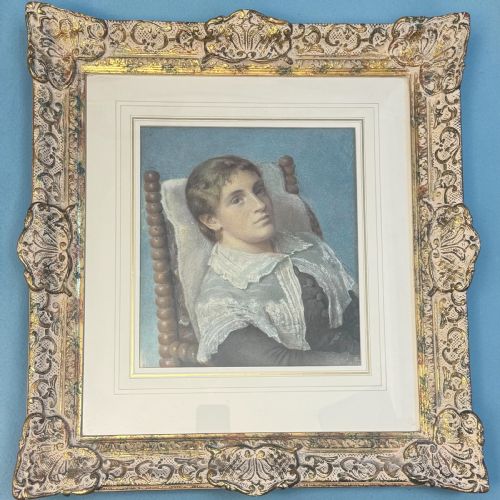
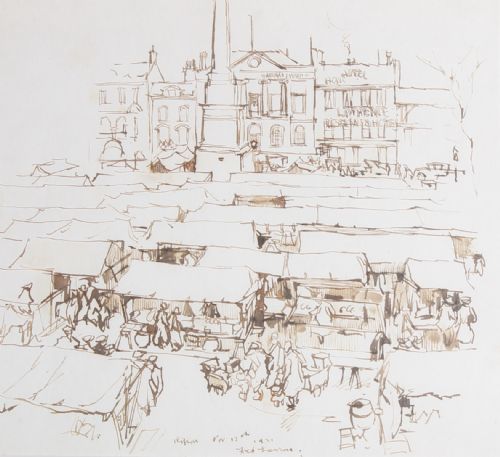
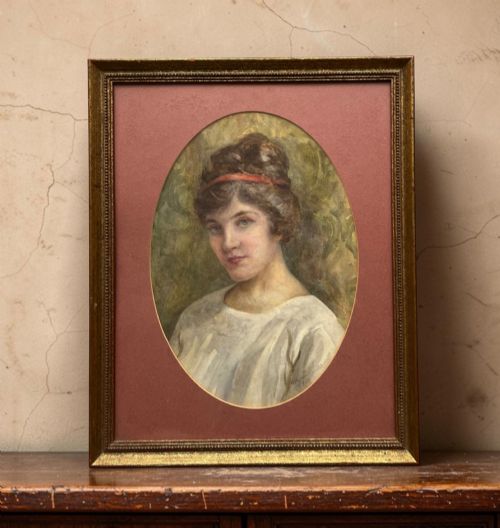
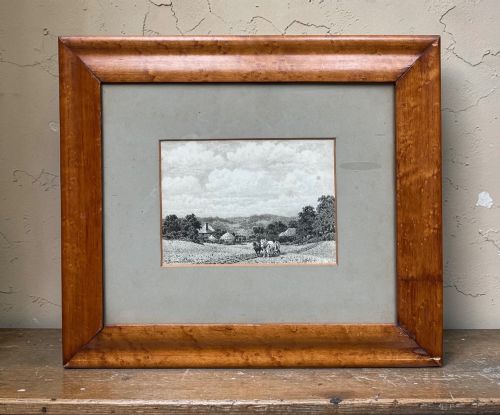
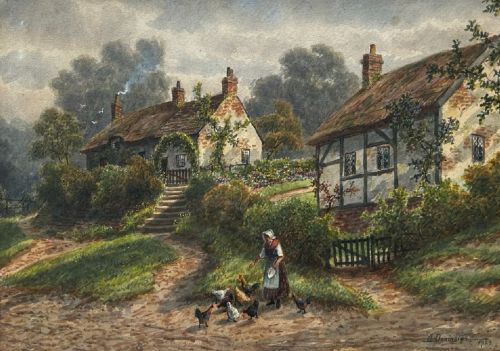
An antique framed watercolor brings together original painting on paper and contemporary framing from periods spanning the eighteenth century to the mid-twentieth century. Buyers seeking this phrase encounter a rich mix of subjects, ranging from intimate portrait miniatures to expansive landscape views of English rivers, Italian lakes, and city landmarks.
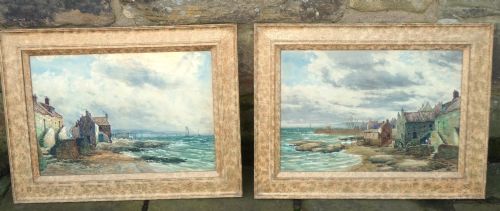
The selection on this page leans heavily toward nineteenth-century examples, alongside Georgian, Regency, and Edwardian pieces. Forms include single framed paintings, pairs of botanical studies, and Chinese export works on pith paper, all presented within their original or period-appropriate surrounds.
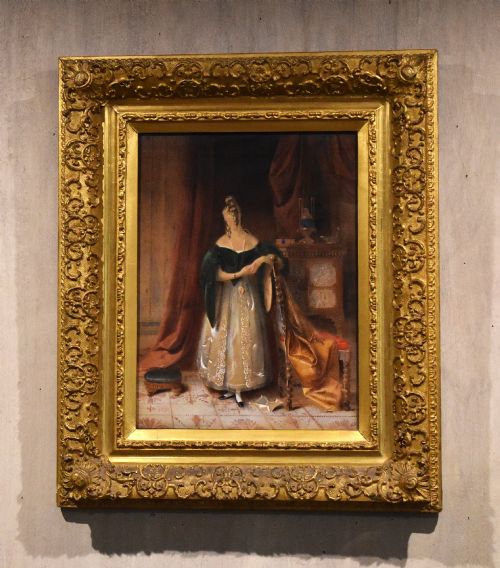
Portraits and topographical scenes dominate the available forms, often recording specific sitters, buildings, or coastal harbours. These works capture the direct hand of the artist, preserved behind protective glazing in wood frames.
Materials and construction
These works rely on watercolor pigment and ink applied directly to paper, pith, or occasionally ivory supports. Artists built up transparent washes and fine details, sometimes adding bodycolour for opacity or pen outlines for architectural precision.
Framing materials reflect the period of production, utilising timber such as ebonised wood, maple, and gilt wood. Glazing protects the delicate paper pigments from environmental damage, while backing boards and seals secure the sheet within the frame.
Antique Framed Watercolor Retail Price Guide 2026
Typical asking prices for framed watercolor among the pieces listed under this phrase on Sellingantiques today, from the lower quarter to the upper quarter. They describe what is for sale here now, not the wider market.
Some nineteenth-century artists squeezed miniature paintboxes into pocket-sized kits to capture sudden rainstorms over Italian lakes.
Evaluating the standard
Quality rests on the skill of the brushwork and the precision of the composition, distinguishing accomplished professional artists from anonymous school exercises. A master hand achieves depth, light, and anatomical or architectural accuracy with notable economy.
Condition and originality also dictate the standing of a piece, particularly the survival of the original pigment vibrancy and the integrity of the period frame. Untouched examples retaining their early glass and timber housing command greater appreciation than those altered later.
Frederick Buck·Marjorie L Davies·William James Hubard·Herbert Menzies Marshall·George Sydney Shepherd
The Antique Framed Watercolor Glossary
- Watercolour
- A painting method where fine pigment is suspended in a water-soluble binder and applied to paper. This medium relies on the white of the paper showing through transparent washes to create light and luminosity.
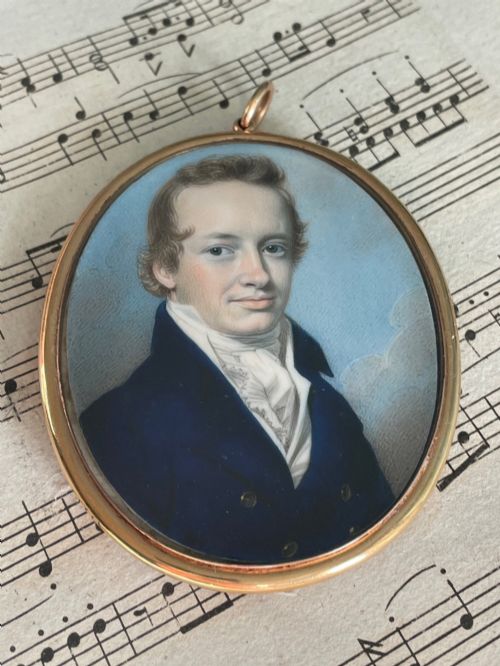
- Portrait miniature
- A small-scale painted likeness executed with meticulous detail on paper, ivory, or vellum. These intimate works were frequently mounted in small protective frames for personal keepsakes.
- Pith paper
- A delicate material cut from the pith of the Tetrapanax papyrifer plant, utilised extensively for nineteenth-century Chinese export paintings. It possesses a velvety texture that absorbs watercolor pigments with striking brilliance.
- Gilt wood
- Timber framing coated with a thin layer of gold leaf or metallic gilt gesso. This finish provided a reflective, decorative border that complemented the tones of the artwork within.
- Ebonised wood
- Timber treated with chemical stains or dark finishes to imitate costly ebony. It offers a stark, dark contrast that draws the eye directly toward the lighter tones of the framed painting.
Antique Framed Watercolor: Frequently Asked Questions
How should I hang an antique watercolor?
Keep these works away from direct sunlight to prevent the fugitive pigments from fading over time. Maintain a stable room temperature free from dampness to protect both the fragile paper support and the timber frame.
Use secure picture hooks rated for the weight of the piece and ensure the hanging wire is stable. Professional framing backing helps seal out dust and atmospheric moisture.
Are these works original or reproductions?
The pieces listed here are original hand-painted works executed on paper, pith, or ivory. Each painting records the unique brushstrokes and touch of the artist who created it.
Examination under magnification often reveals the texture of the paper and the layering of watercolor washes. Period framing further confirms the age and authenticity of the piece.
What is a portrait miniature?
A portrait miniature is a small, highly detailed painting depicting a specific individual. These works were created as personal mementos during the Georgian and Victorian eras.
Artists used fine brushes and dilute pigments to achieve remarkable likenesses on small sheets of paper or ivory. They are typically housed in small, protective oval or rectangular frames.
How do I identify the period of the frame?
Frame styles shifted over the decades, moving from simple maple moulding in the mid-nineteenth century to ornate gilt surrounds or dark ebonised wood profiles. Construction methods, such as hand-cut mitres and early fixings, help determine age.
Original framing often shows honest signs of age, including minor gilt loss or mellowed timber patination. Matching the frame style to the date of the watercolor helps confirm its historical context.