





Antique Folding Stool
An antique folding stool offers clever space-saving engineering, turning a simple seat into an adjustable step or platform.
Antique Folding Stool
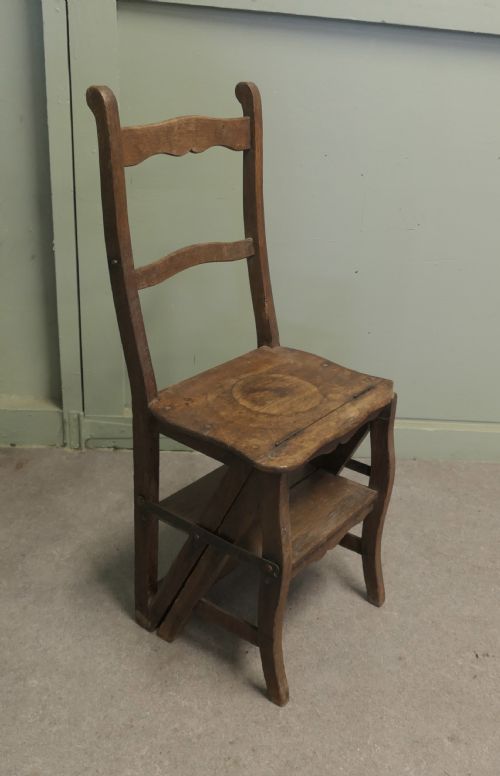
When searching for an antique folding stool, buyers encounter inventive seating forms that transform into library steps or ladders. These pieces combine practical domestic utility with mechanical ingenuity, serving multiple functions within compact spaces.
The most common examples on this page date from the nineteenth century through the early twentieth century. They appear in styles ranging from Victorian Gothic Revival and Arts and Crafts to simpler rustic and industrial utility designs.
Many of these dual-purpose items bridge the gap between a chair and a set of library steps. This metamorphic design allowed homeowners to reach high shelves before folding back down into conventional seating.
Materials and construction methods
Cabinetmakers relied heavily on durable timbers such as oak, fruitwood, and pine to build the structural frames of these folding seats and steps. These sturdy woods ensured the mechanisms could withstand frequent transformation and weight-bearing use.
Metal hinges, brass brackets, and iron pivot points were integrated into the wooden framework to allow smooth articulation. Leather and cane occasionally appear as inserts for seats or treads, adding comfort and texture to the folding apparatus.
Antique Folding Stool Retail Price Guide 2026
Typical asking prices for folding stool among the pieces listed under this phrase on Sellingantiques today, from the lower quarter to the upper quarter. They describe what is for sale here now, not the wider market.
Even railway companies required folding steps, as railway station staff needed portable elevation long before modern platform designs.
Assessing quality in folding seating
Superior examples demonstrate seamless mechanical transitions between the stool or chair configuration and the extended steps. The hinges and pivots operate smoothly without excessive play or loose joints in the timber framework.
Finer pieces display thoughtful stylistic details, such as Gothic tracery, careful turning, or quality secondary timbers like mahogany. Poorer execution results in clumsy transformations and heavy, unrefined joints that detract from the domestic interior.
The Antique Folding Stool Glossary
- Metamorphic
- Furniture designed to transform from one object into another, such as an armchair turning into a set of library steps. This ingenious engineering was particularly popular in nineteenth-century domestic and institutional libraries.
- Gothic Revival
- A nineteenth-century design movement drawing inspiration from medieval architecture and ornament. Pieces in this style often feature pointed arches, heavy oak construction, and quatrefoil cutouts.
- Arts and Crafts
- A design movement valuing traditional craftsmanship, visible construction, and simple forms over mass-produced ornamentation. Furniture from this period emphasises honest use of materials like solid oak.
- Gateleg table
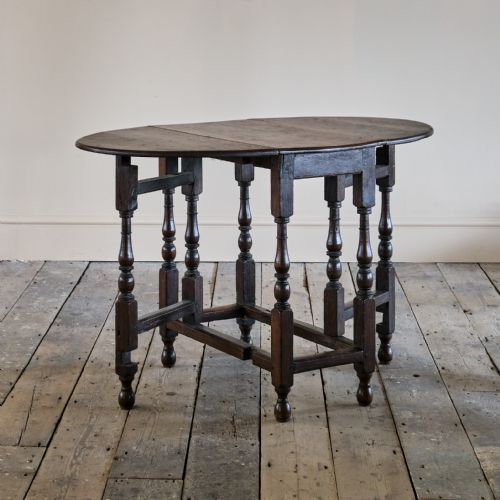
- A table with hinged leaves supported by swing-out legs, allowing the surface area to expand or contract. While distinct from a stool, related folding mechanisms appear across various multi-use timber furniture.
- Fruitwood
- A generic term for timber harvested from fruit-bearing trees such as pear, apple, or cherry. Cabinetmakers valued these dense woods for fine turning and smooth surfaces.
Antique Folding Stool: Frequently Asked Questions
How do metamorphic library steps work?
These clever pieces use hidden hinges and pivoting joints to unfold from a compact chair or stool into a sturdy set of steps. The backrest or seat section swings outward and locks into position to provide elevation.
Users simply reverse the motion to return the piece to its original seating form. This dual purpose saved valuable floor space in traditional home libraries.
Are these folding seats sturdy enough to sit on?
Most antique folding stools and step chairs were built from solid hardwoods like oak and fruitwood to support an adult's weight. The structural integrity depends entirely on the condition of the original timber joints and metal hinges.
Before daily use, it is wise to check that the locking mechanisms engage securely. Well-maintained pieces remain fully functional for seating and reaching high shelves.
What period do most folding step chairs come from?
The majority of these pieces originate from the nineteenth century, spanning from the Georgian era through the late Victorian period. Industrial utility and Arts and Crafts examples also extend into the early twentieth century.
Victorian libraries and studies drove a high demand for space-saving inventions. Cabinetmakers patented numerous clever folding designs during this era.