



Antique Floral Vase Lamps
These antique floral vase lamps transform traditional vessels into illuminating centrepieces, bringing character and warm light to any interior.
Antique Floral Vase Lamps
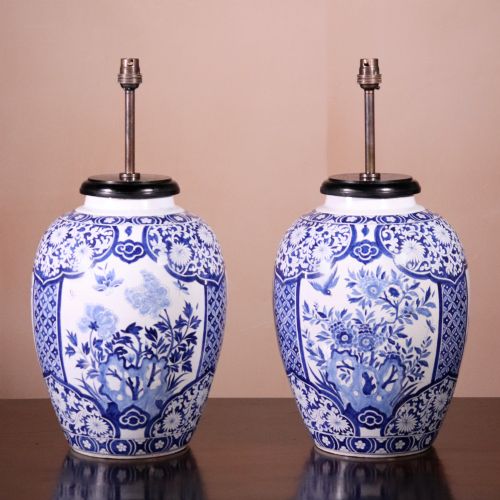
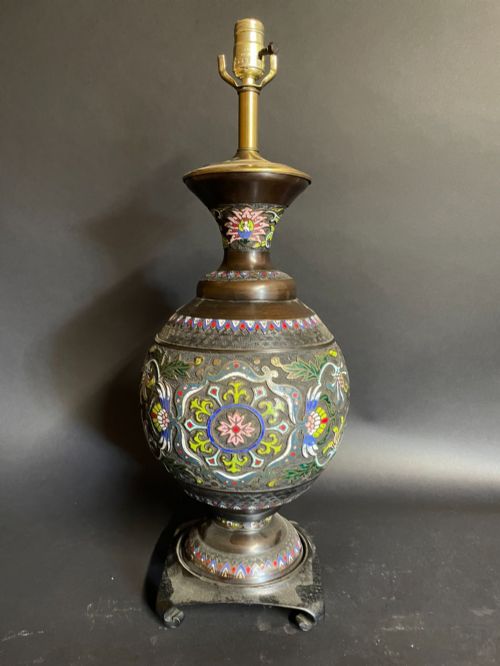
Antique floral vase lamps combine historical ceramic and metal vessels with electrical fittings to create distinctive table lighting. When searching for antique floral vase lamps, collectors encounter converted jars, baluster vases, and slender vessels decorated with botanical motifs.
Vessels are mounted on brass or gilt bronze bases and paired with fabric or silk shades to complete the conversion. These pieces serve as functional table lamps while retaining the intricate hand-painted or enamelled decoration of the original vases.
How they were made
Potters shaped porcelain on the wheel or cast bronze and brass before applying detailed floral patterns by hand. Cloisonne examples utilise delicate metal wires to partition the enamel surface into cells filled with coloured pastes before firing.
French and Asian workshops mounted the completed vessels in gilt bronze or brass to secure electrical components and provide stability. Artisans drilled the bases or fitted wiring through the collars to adapt decorative jars and vases into functional lamps.
Some ginger jars lived through centuries of storage before a clever electrician gave them a glowing new career.
What varies in quality
The refinement of the hand-painted or enamelled floral decoration distinguishes exceptional examples from simpler production. Precision in the gilt bronze mounts and the weight of the underlying porcelain or metal vessel indicate superior workshop execution.
Matching pairs command particular attention for their symmetry and balanced proportions. The integration of the electrical fittings without compromising the original ceramic body reflects the skill of the conversion.
The Antique Floral Vase Lamps Glossary
- Famille rose
- A palette of opaque enamels dominated by pink, used extensively on Chinese porcelain during the eighteenth and nineteenth centuries. This ceramic decoration technique allowed for subtle shading and intricate floral depictions.
- Cloisonne
- A metalwork technique where flat wires are soldered to a base to form compartments filled with enamel paste. These vessels are fired and polished to create smooth, colourful geometric and botanical surfaces.
- Baluster
- A vase shape with a rounded body that tapers towards the neck and swells near the foot. This classic silhouette provides a stable and visually balanced base for table lighting.
- Gilt bronze
- Copper alloy treated with a layer of gold to produce a rich metallic finish. Found on mounts and bases, it adds decorative embellishment and structural support to the ceramic body.
Antique Floral Vase Lamps: Frequently Asked Questions
How are vase lamps wired?
Most antique floral vase lamps are adapted using internal wiring threaded through drilled bases or fitted securely through the neck.
Professionals ensure the original ceramic or metal structure remains protected during the electrical conversion process.
Can I find matching pairs?
Several listings include pairs of matching vase lamps, particularly in Chinese cloisonne and famille rose styles.
These paired items offer symmetrical options for placement on sideboards or mantelpieces.
What periods do they date from?
The selection spans the eighteenth, nineteenth, and early twentieth centuries.
Nineteenth-century examples are most common, alongside pieces representing the Qing Dynasty and Japanese Edo periods.
How do I clean the ceramic?
Dust the porcelain and enamel surfaces gently with a soft, dry cloth to prevent accumulation.
Avoid abrasive cleaners or excessive moisture that could damage delicate hand-painted decoration or gilt metal mounts.