

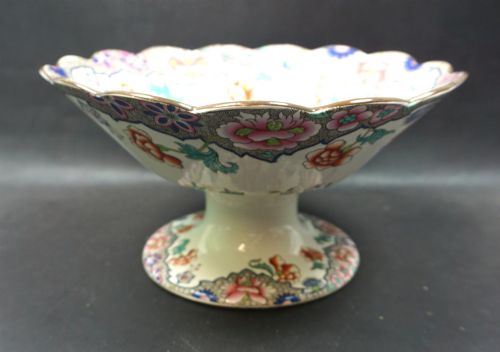
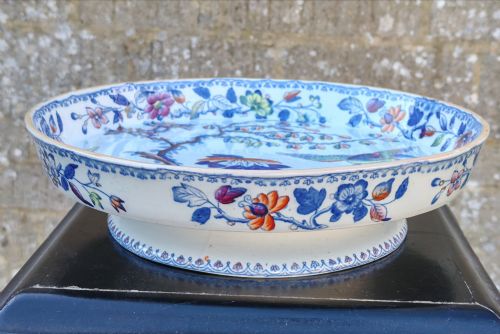
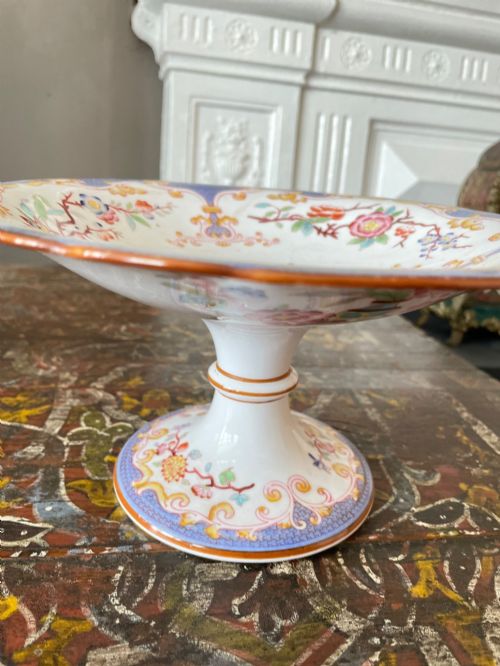
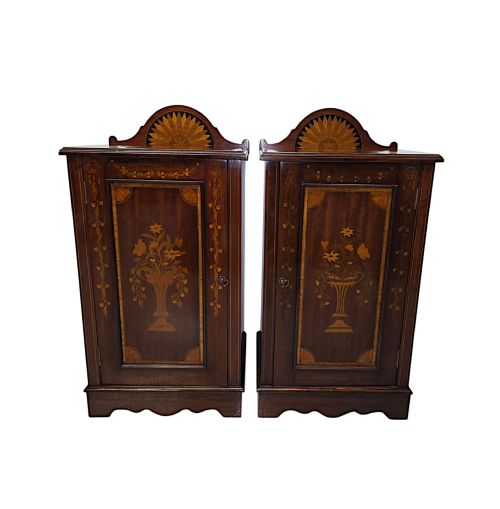


Antique Floral Pedestal
An antique floral pedestal brings botanical form and raised display into a room, uniting functional support with painted, carved or ceramic blossom.
Antique Floral Pedestal
An antique floral pedestal encompasses plant stands, jardiniere supports, and vases created across the nineteenth and early twentieth centuries. These pieces emerge from periods such as the Victorian and Edwardian eras, utilising foundational designs intended to elevate botanical displays or decorative vessels.
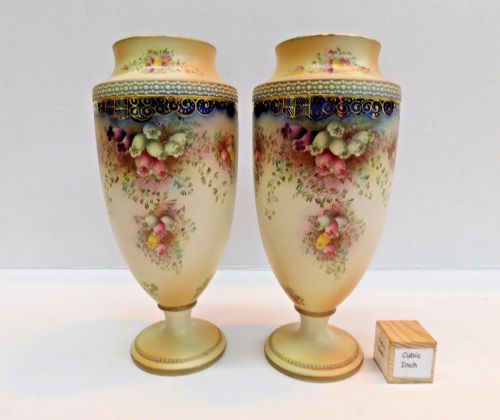
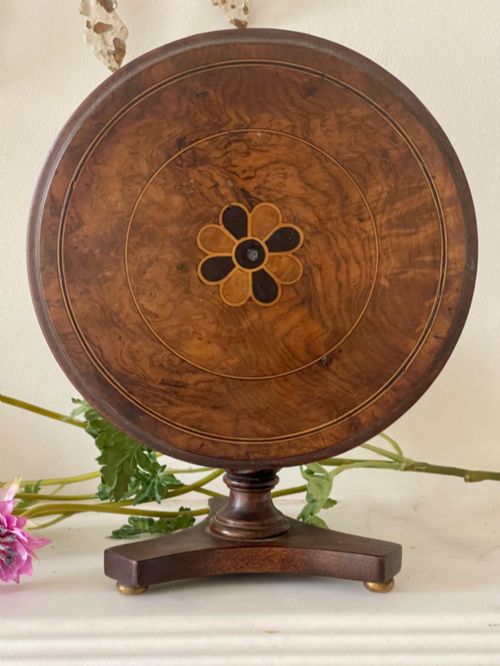
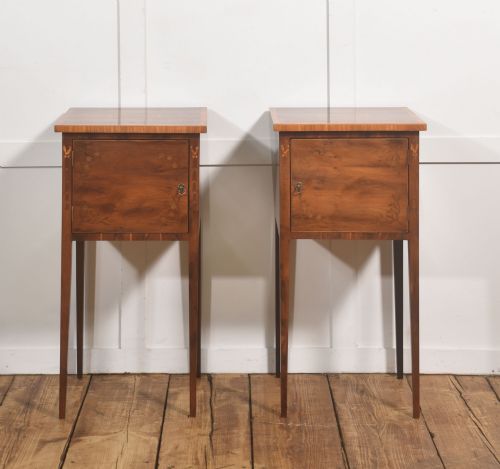
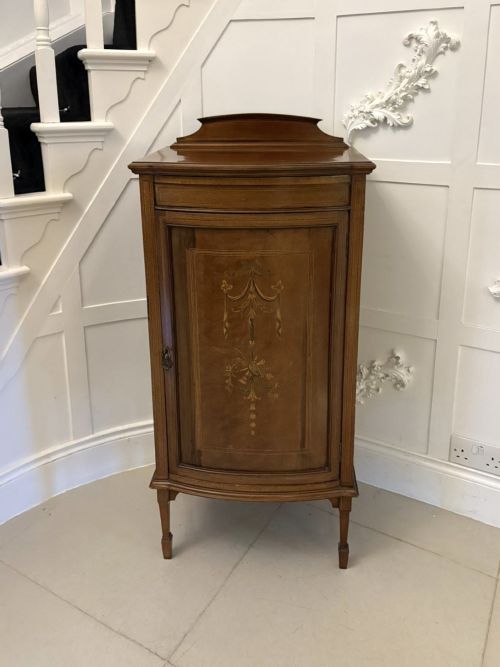
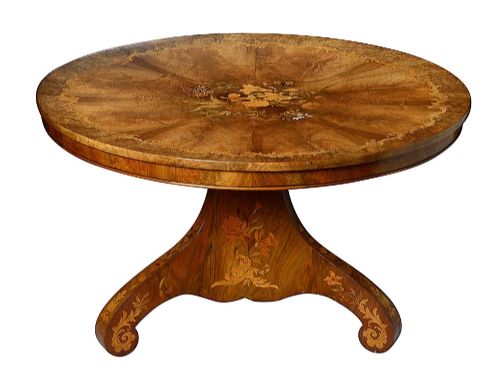
The most common iterations on this page combine timber structures with inlaid floral marquetry or ceramic bodies decorated with painted flowers. Makers from English, French, German, and Chinese traditions shape these supports, ranging from straightforward mahogany plant stands to elaborate glazed pottery columns.
Objects fulfilling this role often pair with matching bowls, jardiniieres, or urns, creating integrated display units. The primary function remains the elevation of plants, flowers, or decorative ceramics to eye level within period interiors.
Materials and Construction
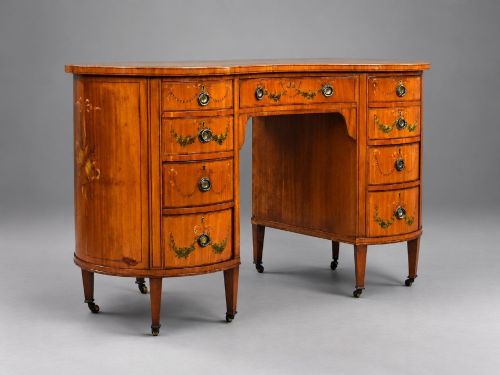
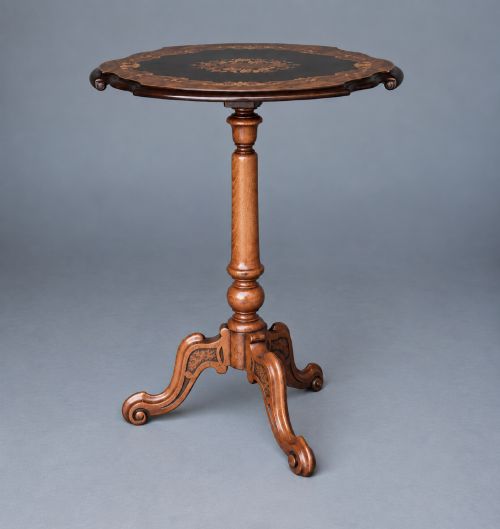
Constructed primarily from structural timbers like mahogany, walnut, burr walnut, rosewood, and oak, these supports rely on solid frames combined with decorative veneers. Marquetry details utilise contrasting woods and occasionally bone or metal wire inlay to form floral and foliate motifs across table tops and pillar shafts.
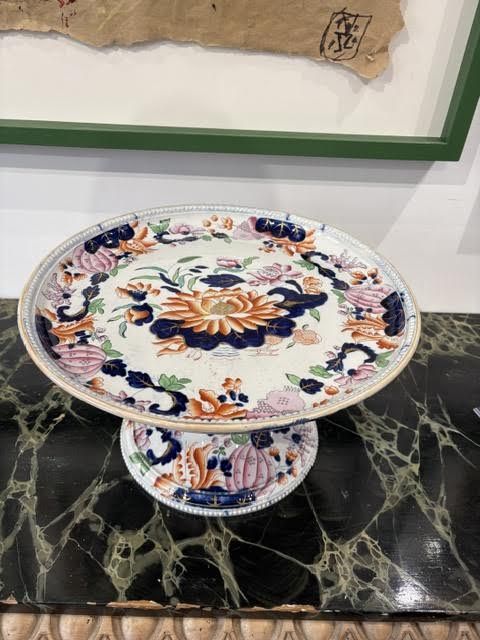
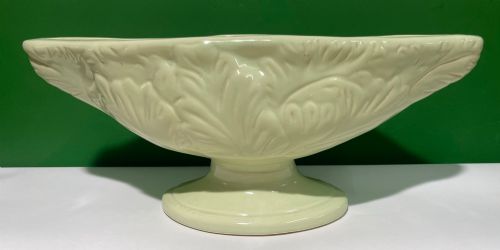
Ceramic and pottery examples employ earthenware, porcelain, and majolica techniques, shaped into tall columns or jardiniere stands and finished with hand-painted or glazed floral designs. Brass, marble, slate, and gold leaf appear as supplementary elements, providing sturdy tops, decorative mounts, or reflective surfaces.
Antique Floral Pedestal Retail Price Guide 2026
Typical asking prices for floral pedestal among the pieces listed under this phrase on Sellingantiques today, from the lower quarter to the upper quarter. They describe what is for sale here now, not the wider market.
Listings feature pieces spanning the nineteenth and early twentieth centuries, incorporating materials from walnut and mahogany to majolica, porcelain, and marble.
Craftsmanship and Execution
Quality separates pieces through the precision of the joinery and the depth of the decorative work. Fine examples display intricate, tightly fitted marquetry with varied timber tones, whilst simpler versions rely on painted or stamped decoration.
The sophistication of the carving and the weight of the materials dictate the standard of the piece. Substantial timber frames, well-fired ceramics with hand-applied glazes, and crisp detail in cast or carved elements distinguish superior workshop production from standard commercial manufacturing.
Royal Doulton·W&R Carlton Ware·Hewetsons London·Holmes Baldock·Burmantofts
The Antique Floral Pedestal Glossary
- Jardiniere
- An ornamental pot or stand designed to hold a plant or flowers. These items often sit atop matching ceramic or wooden pedestals.
- Marquetry
- Decorative veneer work forming pictures or patterns using thin pieces of wood, bone, or shell. This technique frequently depicts floral arrangements on table tops and cabinet doors.
- Majolica
- A type of earthenware glazed with tin opacified enamel, capable of holding bright colours. Pieces from this tradition often feature bold botanical and floral relief moulding.
- Blush Ivory
- A cream-coloured porcelain ground developed by ceramic manufacturers during the late nineteenth century. It serves as a soft backdrop for delicate overglaze floral painting.
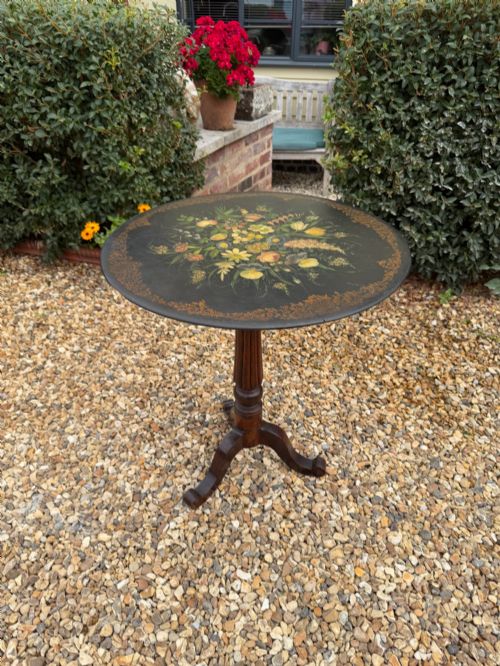
- Tripod Table
- A small freestanding table supported by a central pillar and three legs. Many versions feature a tilt mechanism for storage when not in use.
Antique Floral Pedestal: Frequently Asked Questions
What is an antique floral pedestal used for?
These pieces function primarily as elevated stands for potted plants, jardinieres, or decorative vases. They allow greenery and floral ceramics to sit at a prominent height within a room.
Historically, they also served as occasional tables or display columns for sculptures and decorative bowls. Their versatile footprint makes them suited for corners, hallways, and window recesses.
How do I identify a Victorian pedestal?
Victorian examples frequently utilise rich timbers like walnut, mahogany, and burr walnut. They often feature elaborate floral marquetry, turned columns, or carved wooden supports.
Later Victorian and Edwardian variations may introduce glazed pottery, majolica, or porcelain bodies with hand-painted floral motifs. Dating relies on timber choice, construction methods, and stylistic cues associated with the nineteenth century.
Are ceramic pedestals fragile?
Ceramic and pottery stands, such as those made from majolica or porcelain, require careful placement to avoid impact damage. Their heavy tops can make them top-heavy if bumped.
Placing them away from high-traffic areas ensures the glazed surfaces and delicate moulded floral details remain protected from knocks.
How do I clean wooden floral marquetry?
Wooden surfaces with marquetry inlay need gentle dusting with a dry, soft cloth. Avoiding excessive moisture prevents the delicate veneer and inlaid elements from lifting.
Occasional application of appropriate furniture wax helps nourish the timber and maintain the subtle contrast between the different woods.