


Antique Floral Necklace
An antique floral necklace brings together delicate metalwork and botanical motifs from Victorian, Edwardian, and Art Nouveau periods.
Antique Floral Necklace
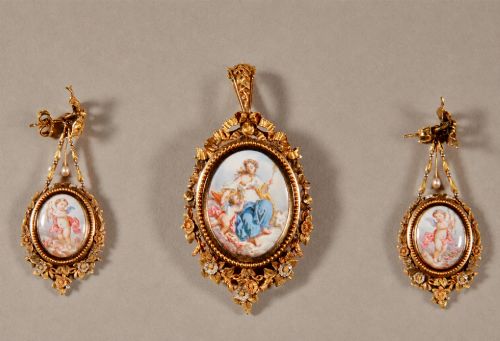
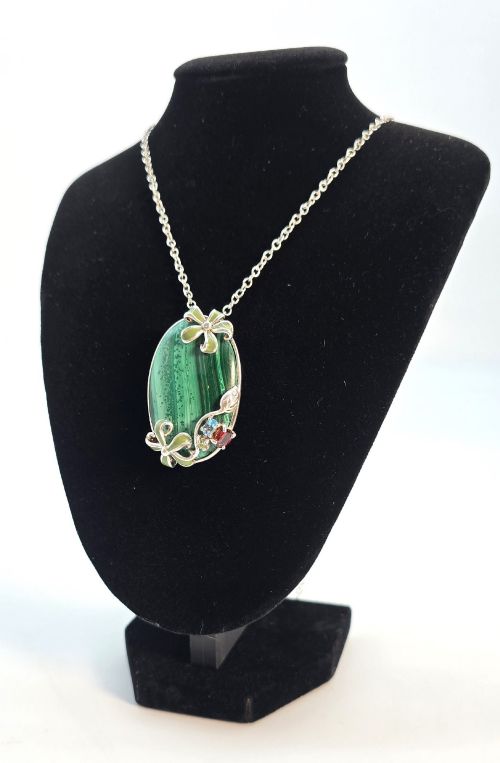
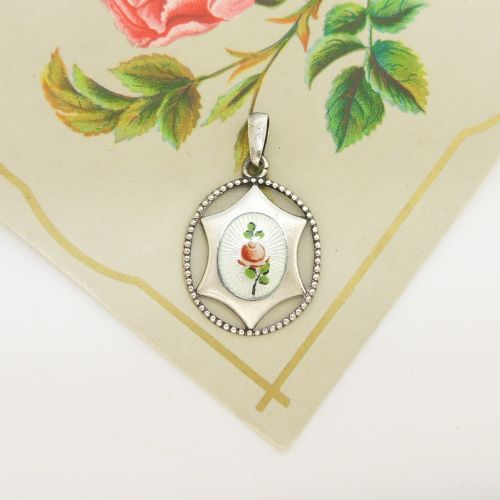
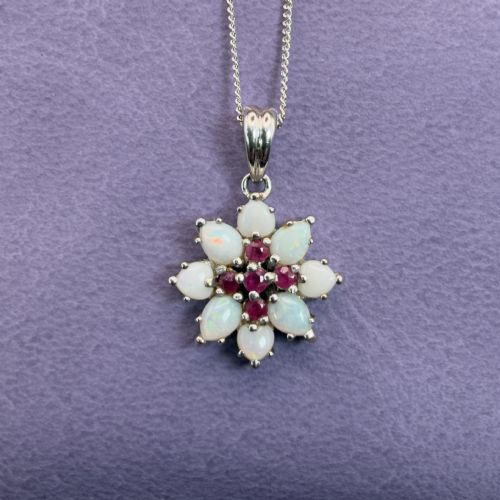
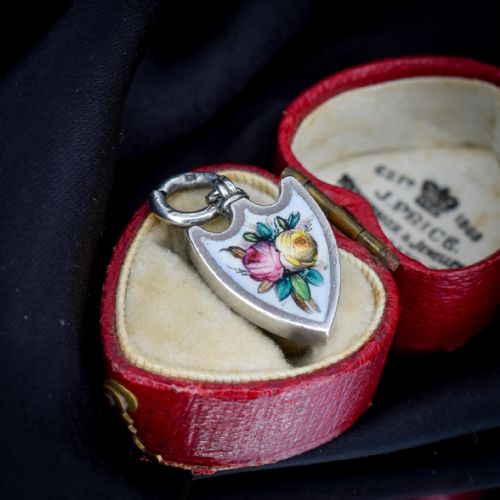
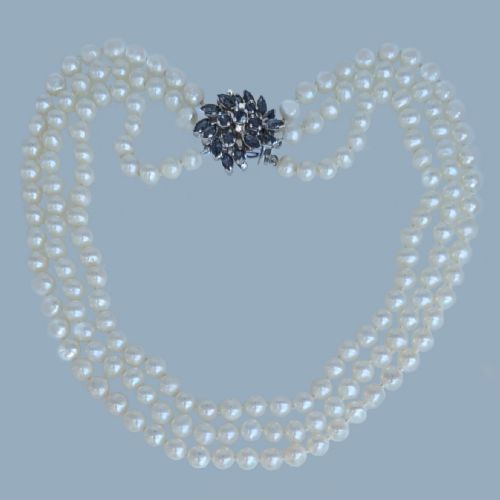
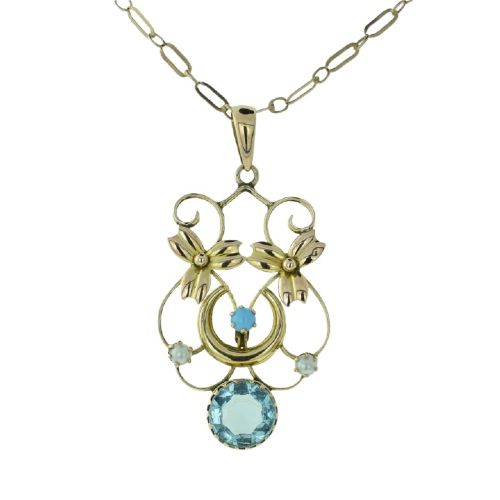
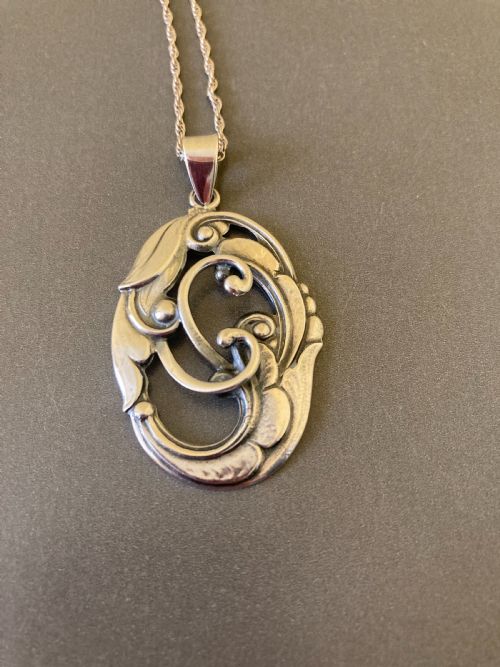
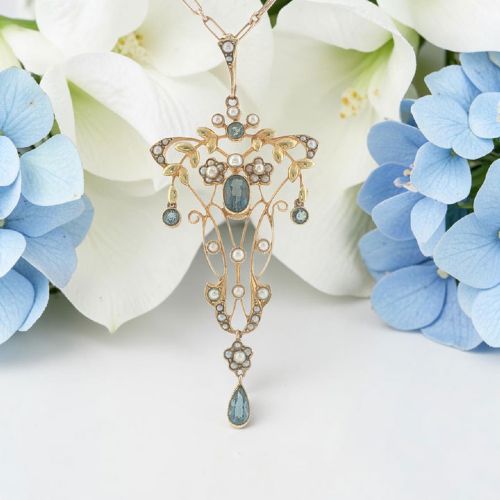
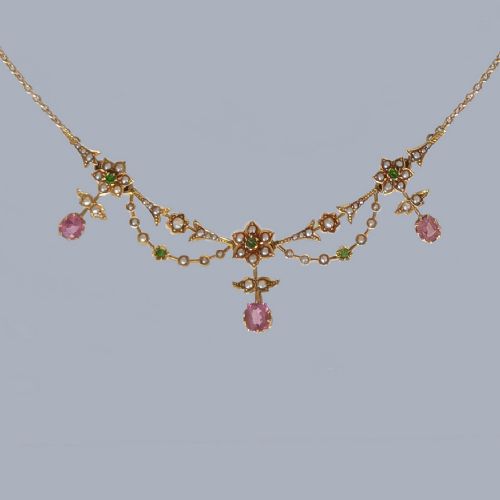
An antique floral necklace represents botanical and natural themes expressed through gold, silver, and gemstones across the Victorian and Edwardian eras. Buyers encounter pieces spanning from the late nineteenth century through to the mid-twentieth century, encompassing delicate pendants, lavaliers, and fringe necklaces.
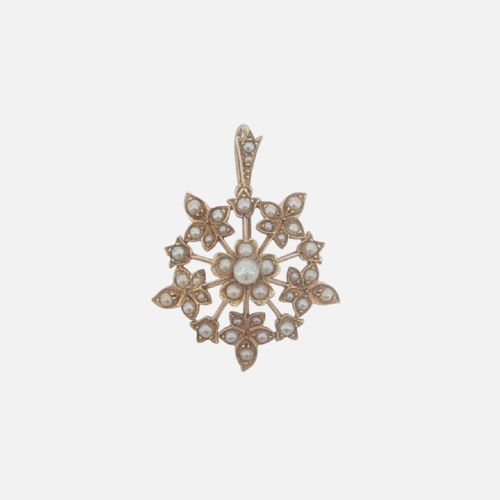
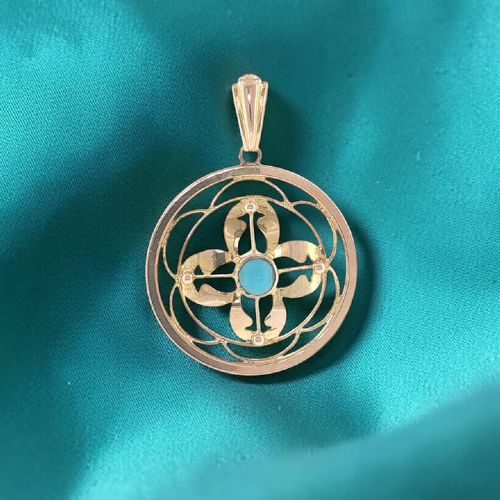
The most common versions on this page are Edwardian and Victorian gold pendants set with seed pearls, turquoise, or amethysts. Makers often incorporated floral drop motifs or intertwined leaves, utilising coloured stones to depict petals and stems.
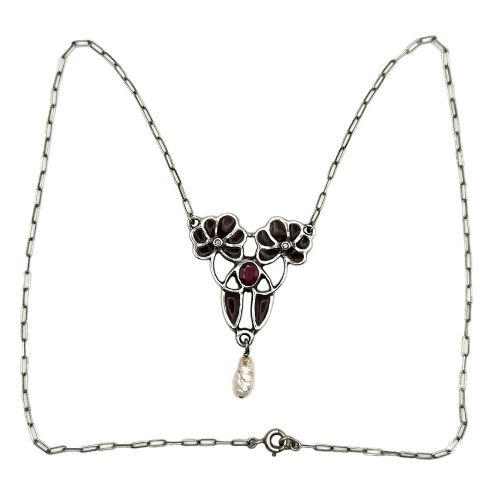
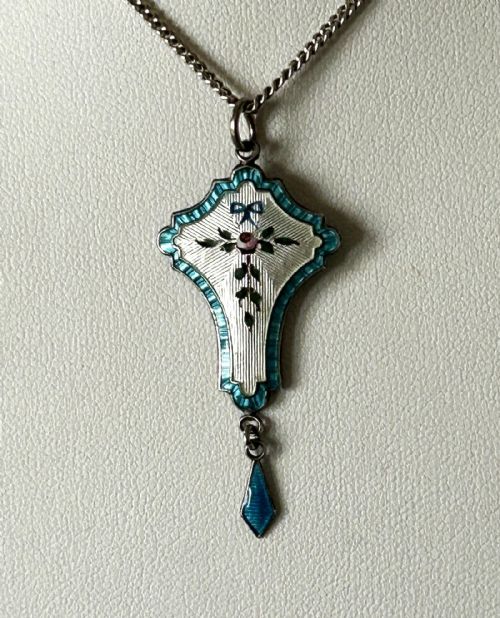
Examples stretch from simple 9ct gold floral clusters to elaborate Art Nouveau pieces featuring plique a jour enamel and precious gems. Each piece reflects the prevailing aesthetic of its decade, bridging Georgian traditions and mid-century designs.
Materials and construction
Goldsmiths utilised 9ct gold, 15ct gold, and sterling silver as the foundation for setting pearls, diamonds, and coloured gemstones. Metal components were frequently cast or hand-formed into delicate stems and petals to support central stones.
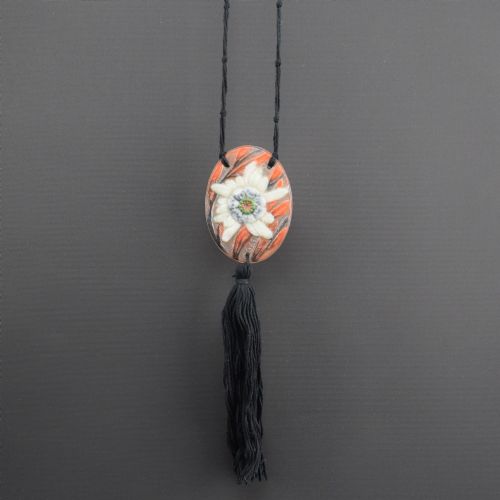
Enamel techniques, notably plique a jour and pate de verre, added translucent colour to floral petals and leaves. Seed pearls were meticulously drilled and wired onto gold frames to create clusters and floral sprays.
Antique Floral Necklace Retail Price Guide 2026
Typical asking prices for floral necklace among the pieces listed under this phrase on Sellingantiques today, from the lower quarter to the upper quarter. They describe what is for sale here now, not the wider market.
Materials span from seed pearls and turquoise to diamonds, rubies, and pate de verre glass.
Markers of distinction
Quality rests in the precision of the metalwork, the matching of seed pearls, and the depth of the enamel. Superior pieces show careful stone setting and balanced proportions in leaf and flower motifs.
Signed workshops and distinct maker marks elevate a piece above standard mass-produced variants of the period. The integration of rarer gems, such as demantoid garnets or natural sapphires, marks the upper tier of execution.
Charles Horner·Argy Rousseau·S Blanckensee and Son
The Antique Floral Necklace Glossary
- Seed pearl
- A very small, naturally occurring pearl often used in Victorian and Edwardian floral jewellery clusters. These pearls are typically drilled and threaded onto fine wire or silk.
- Plique a jour
- An enamelling technique where enamel is applied to open cells without a backing, allowing light to shine through transparent colours. This method resembles miniature stained glass.
- Lavalier
- A pendant necklace featuring a central drop stone or dangling motif suspended from a fine chain. This style gained popularity during the Edwardian period.
- Marcasite
- Small faceted polished pyrites set into silver to provide sparkle resembling diamonds. It appears frequently in Art Deco floral and geometric designs.
- Pate de verre
- A glass-casting method involving crushed glass packed into a mould and fused in a kiln. It produces textured, softly coloured botanical elements.
Antique Floral Necklace: Frequently Asked Questions
How do I date an antique floral necklace?
Dating relies on examining the metal hallmarks, clasp types, and gemstone settings characteristic of specific periods like the Victorian or Edwardian eras.
Stylistic cues such as Art Nouveau curves or Edwardian platinum work also help narrow the decade of manufacture.
Were these necklaces worn daily?
Many Edwardian and Victorian pieces served as daily adornments for formal or semi-formal attire, reflecting the fashion of the time.
Heavier gem-set variations were typically reserved for evening wear and special occasions.
How should I care for seed pearl necklaces?
Seed pearls are delicate organic gems that require protection from harsh chemicals, perfumes, and cosmetics.
Store them flat in a dry lined box and wipe gently with a soft cloth after wearing.
What is the difference between silver and white gold here?
Victorian and Edwardian pieces primarily utilise sterling silver or silver-topped gold, often developing a soft natural patina over decades.
White gold appears more frequently in later twentieth-century items, offering a brighter, more tarnish-resistant finish.