




Antique Floral Ironstone
These heavy ceramic vessels bring bold nineteenth-century pattern into daily domestic use.
Antique Floral Ironstone
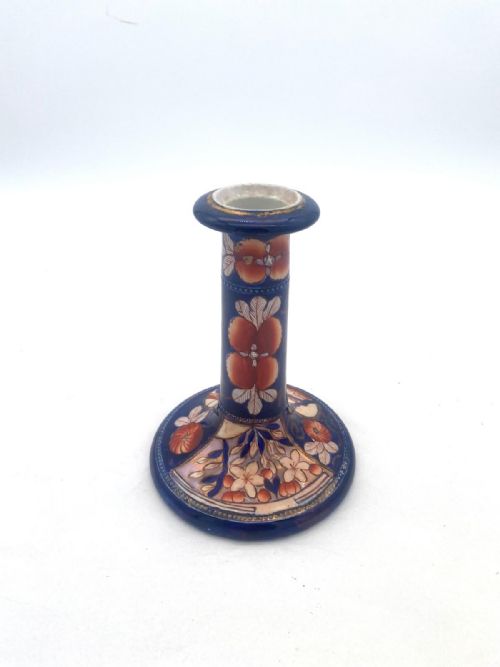
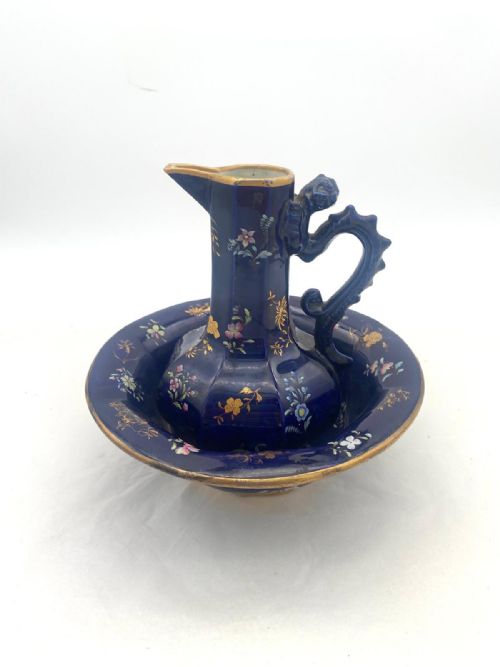
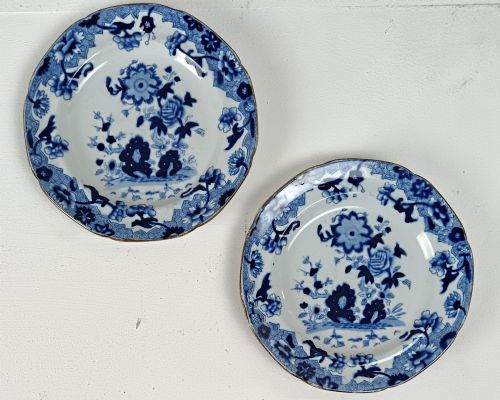
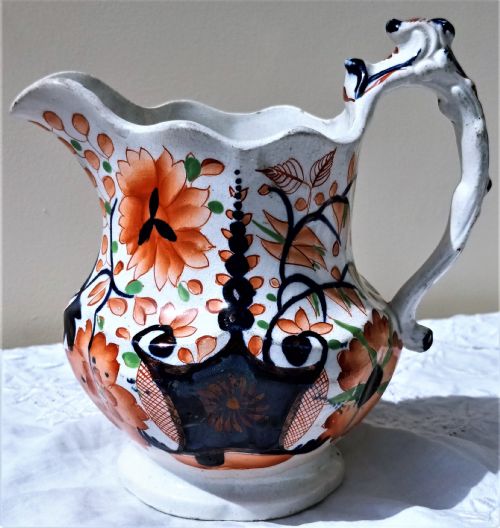
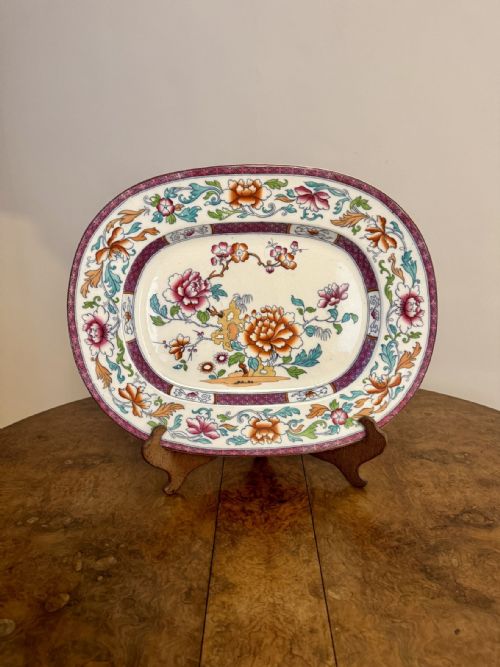
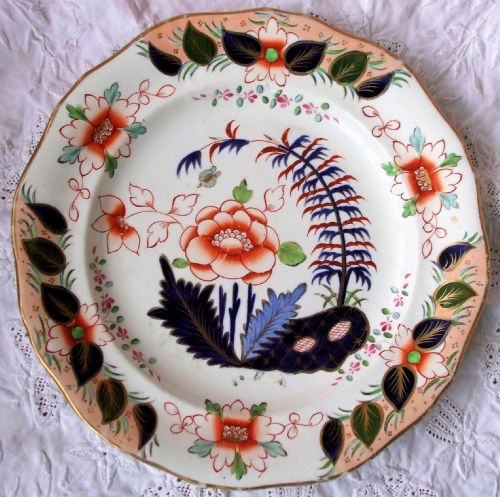
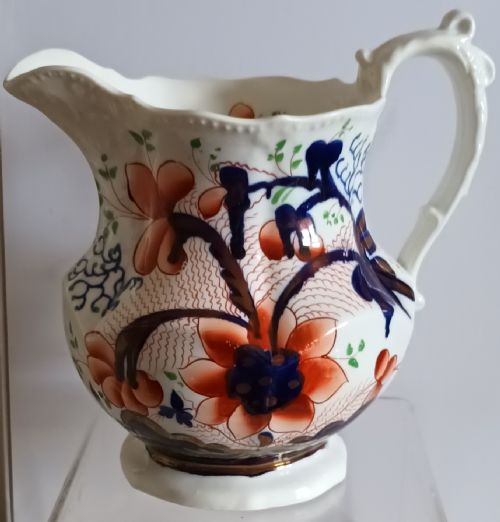
Antique floral ironstone comprises durable ceramic wares produced across the nineteenth century in forms such as plates, platters, jugs, and tureens. These robust pieces display botanical and exotic motifs, drawing heavily on Georgian and Victorian taste.
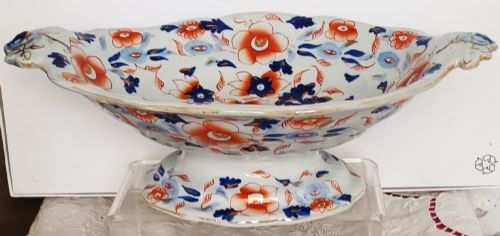
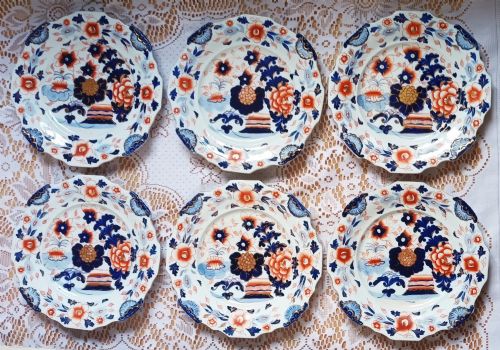
Domestic service sets, large meat platters, and footed comports dominate the available forms. Makers combined utility with decorative ambition, resulting in heavy tableware intended for regular dining as well as display.
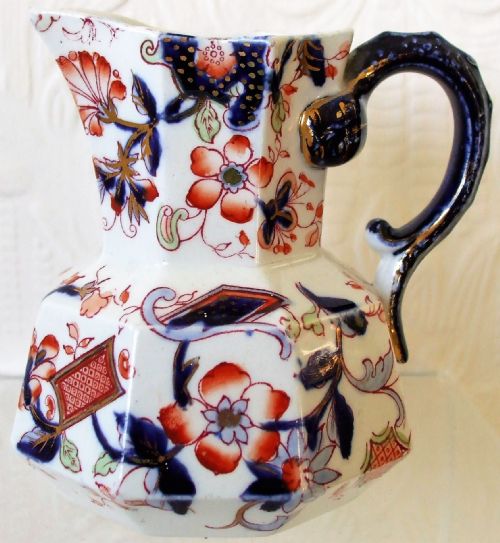
The style bridges formal ceramic traditions and practical household needs. Buyers encounter items decorated in patterns influenced by Imari, Chinoiserie, and Japan motifs.
How they were made
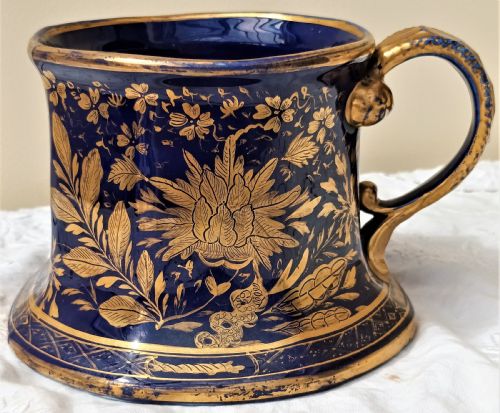
Potters utilised durable ironstone and earthenware bodies, coating them in thick glaze to create a robust surface suitable for heavy domestic use. Gold leaf, enamel, and intricate gilding were frequently applied over the glaze to accentuate oriental and floral patterns.
Decoration relied on hand-painting and transfer printing to achieve rich colour palettes. Firing techniques gave these dense ceramic wares their characteristic weight and resistance to chipping.
Antique Floral Ironstone Retail Price Guide 2026
Typical asking prices for floral ironstone among the pieces listed under this phrase on Sellingantiques today, from the lower quarter to the upper quarter. They describe what is for sale here now, not the wider market.
The inventory records practical forms ranging from small posy vases to large fifty-nine-piece dinner services.
What varies in quality
Quality rests in the crispness of the transfer print and the precision of the hand-applied enamel work. Superior examples exhibit vibrant, well-preserved gilding and accurately registered polychrome decoration rather than blurred outlines.
The weight, throwing consistency, and structural balance of larger items such as tureens and comports distinguish superior potting. Pieces retaining sharp relief moulding and clear maker marks command greater attention from collectors.
Masons Ironstone·Spode New Stone·John Davenport of Longport·John Ridgway·Keeling and Co·Miles Mason
The Antique Floral Ironstone Glossary
- Ironstone
- A dense, durable type of earthenware patented in the nineteenth century to provide a strong alternative to porcelain. It forms the heavy body of these botanical and patterned services.
- Comport
- A raised footed dish or bowl used for serving fruit or dessert at the table. These elevated pieces often feature elaborate floral and oriental transfer prints.
- Mazarine
- A flat ceramic draining insert used within a large meat platter or dish. It allows juices to collect beneath the meat during service.
- Ashet
- A Scottish regional term for a large meat platter or serving dish. These substantial ironstone vessels frequently display complex Japan or Imari patterns.
- Gilding
- The application of gold leaf or gold paint to ceramic surfaces to highlight rims and decorative motifs. High-quality application remains bright despite age.
Antique Floral Ironstone: Frequently Asked Questions
Can I use antique ironstone daily?
These robust ceramic wares were originally built for heavy household service and frequent dining use.
Modern dishwashers and harsh detergents can damage delicate hand-applied enamel and gold leaf, so hand washing remains essential for preservation.
How do I date nineteenth-century ironstone?
Makers marks stamped or printed underneath the glaze offer the most reliable guide to a piece's production period.
Style influences, such as early Regency Chinoiserie or later Victorian aesthetics, also help narrow down the decade of manufacture.
What is the difference between ironstone and porcelain?
Ironstone is a dense, heavy earthenware developed to resist chipping during busy nineteenth-century household use.
Porcelain is finer, lighter, and translucent, whereas ironstone offers greater thickness and structural weight.
Why do patterns vary so much?
Potters drew inspiration from imported Asian ceramics, leading to diverse styles like Imari, Japan, and Chinoiserie.
Individual factories developed distinct interpretations of these botanical themes, resulting in wide stylistic variation across different makers.