

Antique Floral Art
When you search for antique floral art, you enter a vibrant world of botanical paintings, glazed ceramics, and delicate metalwork celebrating plant life.
Antique Floral Art
When buyers search for antique floral art, they encounter a diverse selection of oil paintings, watercolours, lithographs, and decorative objects rendered with plant motifs. The category spans oil paintings on canvas and panel, botanical watercolours, and printed works capturing blooms and botanical studies.
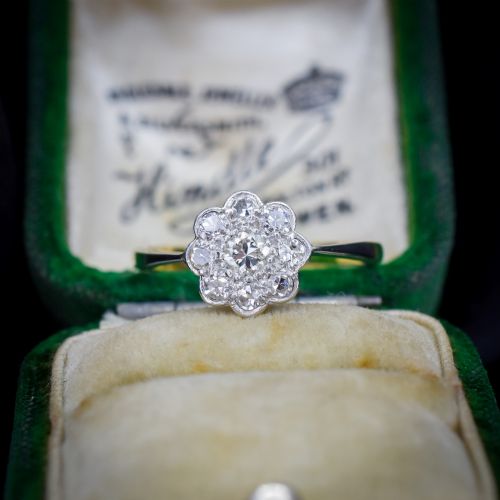
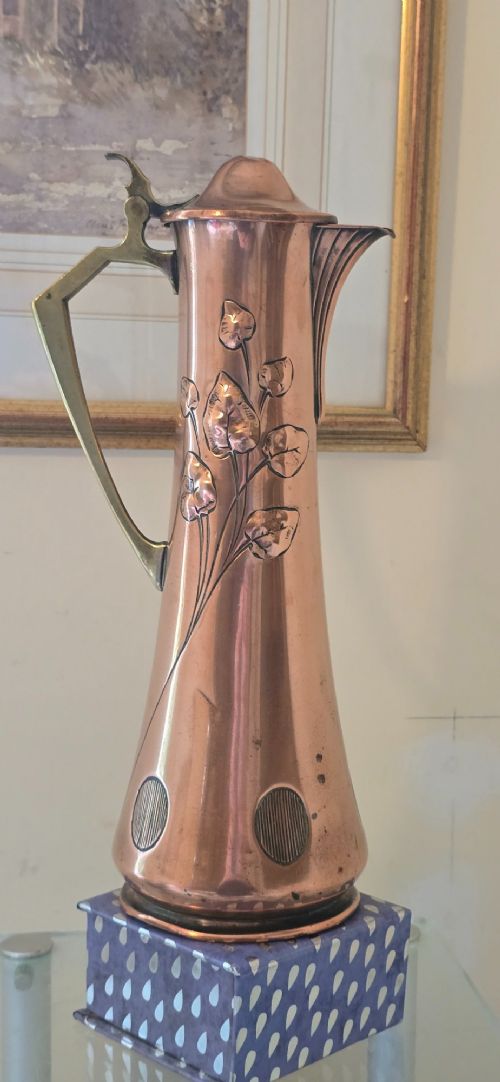
Ceramic vessels and metalware form another major component of antique floral art, featuring stoneware, porcelain, and repoussé metal styled with organic plant patterns. Pieces originate primarily from Victorian, Edwardian, Art Nouveau, and Art Deco periods, alongside Dutch-inspired still life traditions.
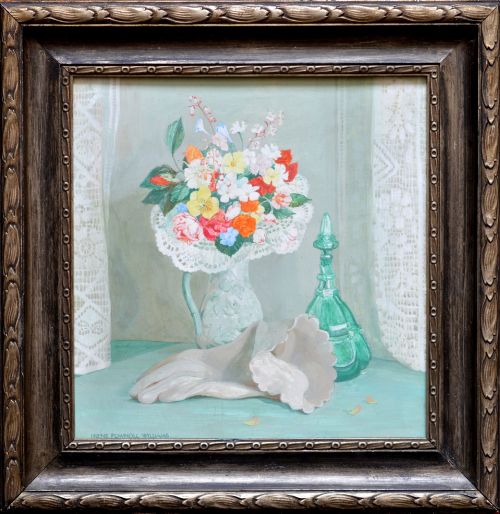
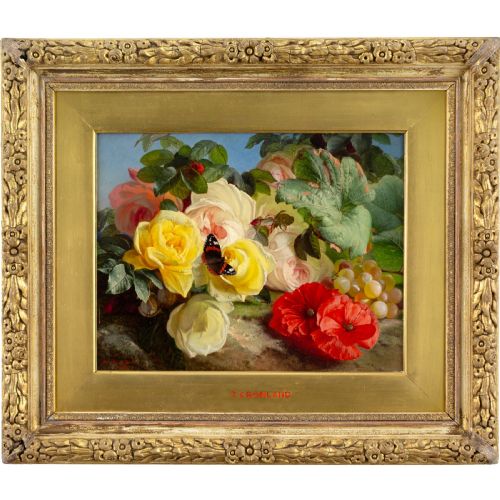
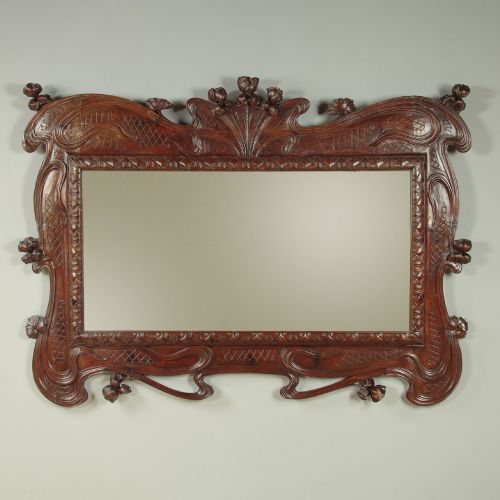
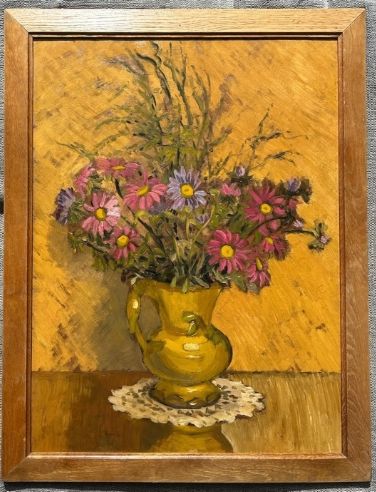
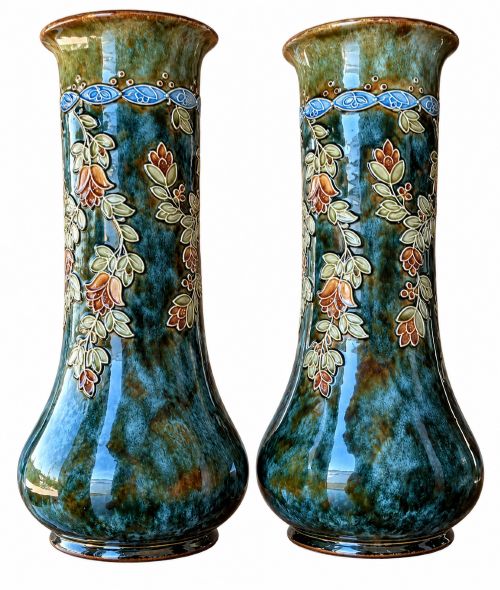
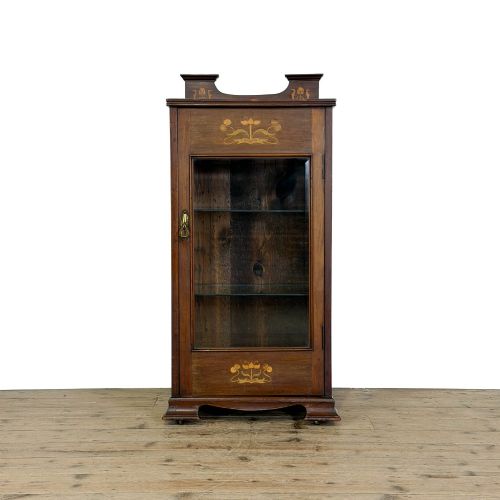
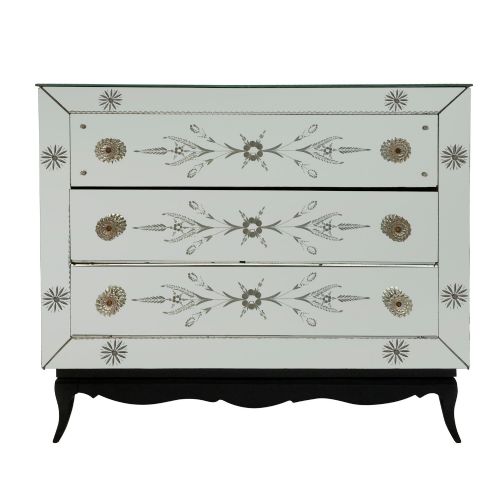
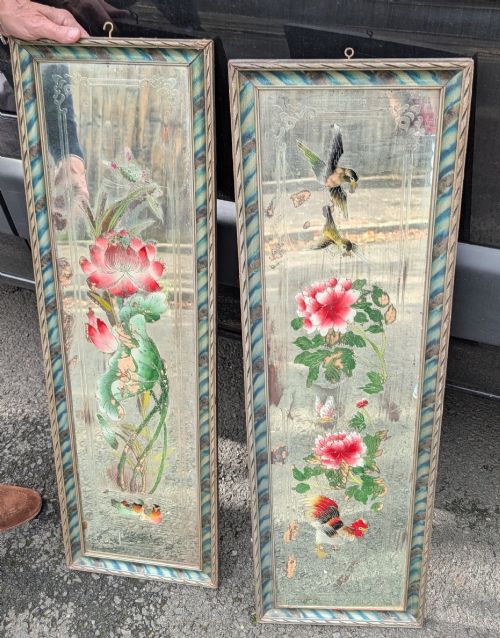
The most common items met on this page include framed still life oil paintings depicting roses and mixed blossoms, alongside stoneware vases and decorative wall mirrors adorned with botanical relief. These works draw upon historical painting styles and decorative arts movements that elevated natural forms.
How they were made
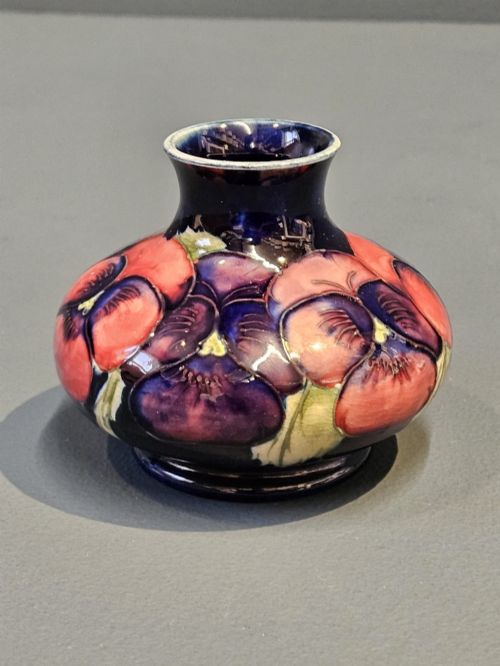
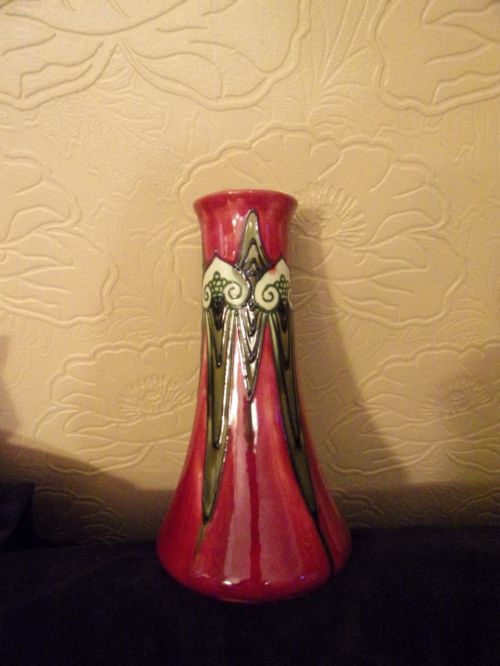
Painters utilised oil paint on canvas or wooden panel, often applying layered pigments to achieve depth in traditional still life compositions, while watercolourists worked on paper for botanical studies. Ceramic artists shaped stoneware and porcelain, frequently employing tube-lining techniques to raise outlines before applying coloured glazes.
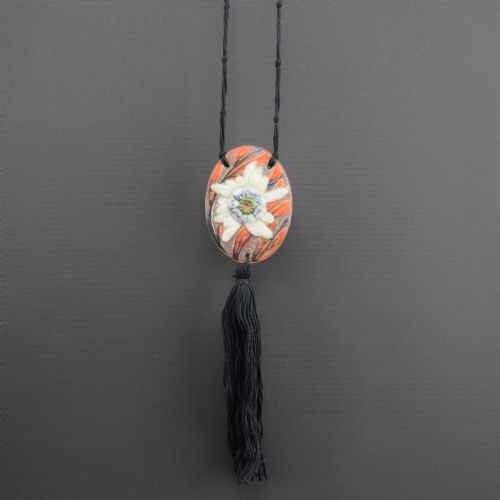
Metalworkers hammered and cast copper, brass, silver, and gold to create vessels, jewellery, and frames with sculptural plant motifs. Glass artisans utilised cameo glass and pate de verre techniques to produce delicate translucent vessels and pendants shaped as thistles or campanula flowers.
Current listings feature oil paint, canvas, ceramic, and wood across Victorian, Edwardian, and Art Nouveau periods.
What varies in quality
The standard of painting is dictated by the precision of brushwork, the naturalism of colour blending, and the handling of light within floral still life compositions. Superior canvas works display careful observation of petal textures and foliage, whereas lesser examples rely on formulaic repetition.
In ceramics and metalwork, quality depends upon the crispness of the moulded or carved relief and the richness of the glaze or metal patina. Pieces bearing distinct signatures from known artists or reputable potteries demonstrate higher craftsmanship than unmarked commercial output.
Royal Doulton·Minton·Emile Gallé·Oliver Clare·Vincent Clare·Goldsmiths and Silversmiths Company
The Antique Floral Art Glossary
- Still life
- A painting or drawing depicting inanimate subject matter, typically commonplace objects or natural items such as cut flowers and fruit. These compositions allow artists to focus on colour, light, and shadow.
- Tube-lining
- A ceramic decoration technique where a fine line of slip is squeezed through a nozzle onto a clay body to create raised outlines. These raised barriers hold different coloured glazes within designated areas during firing.
- Repoussé
- A metalworking technique where a malleable metal sheet is hammered from the reverse side to create a raised design in relief. Detail is then refined by punching from the front.
- Lithograph
- A print made from a flat stone or metal plate treated so that ink adheres only to the designated drawing areas. This method enabled mass reproduction of botanical illustrations and fine art prints.
- Pate de verre
- A glass casting method where finely crushed glass is mixed with a binder, packed into a mould, and fused in a kiln. The resulting pieces possess a distinctive textured and translucent finish.
Antique Floral Art: Frequently Asked Questions
What subjects appear in floral art?
Paintings and decorative items feature diverse botanical subjects, ranging from wild roses and spring blossoms to elaborate arrangements of Dutch tulips. Artists also incorporated thistles, pansies, and garden foliage into both two-dimensional works and sculpted objects.
These depictions reflect historical shifts in artistic style, moving from scientific botanical accuracy toward the flowing organic curves characteristic of the Art Nouveau movement.
How do I care for oil paintings?
Oil paintings require stable indoor environments away from direct sunlight and excessive humidity to prevent canvas degradation and paint cracking. Dusting should be undertaken gently using a soft, dry brush without applying pressure to the pigment.
Framed works benefit from remaining undisturbed within their original frames, which often protect the edges of the canvas and complement the period aesthetic.
Where were these pieces made?
The items originate from workshops across Britain, France, the Netherlands, and Japan, reflecting international exchanges in decorative arts. European ceramic potteries and metalwork studios produced much of the sculptural hardware and vessels.
Painting traditions span regional schools, notably Dutch still life compositions and French botanical illustrations produced during the nineteenth and early twentieth centuries.
How do I identify periods?
Period identification relies on observing stylistic markers, such as the asymmetric whiplash lines of Art Nouveau or the geometric abstraction of Art Deco design. Material choices, framing techniques, and signatures also provide chronological indicators.
Comparing construction methods with documented examples from specific decades helps narrow down the date of creation for both decorative objects and fine art.