






Antique Flemish Painting
An antique flemish painting brings deep narrative, rich portraiture, and intricate still life into a room, capturing centuries of continental artistry on canvas and wood.
Antique Flemish Painting
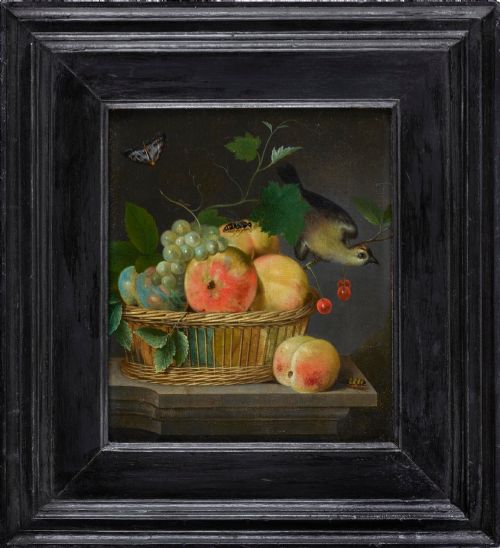
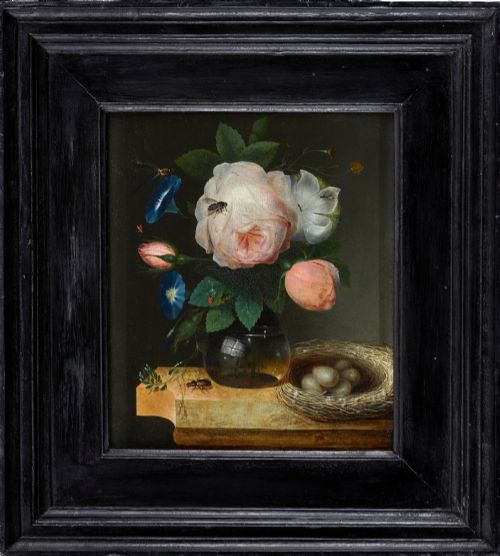
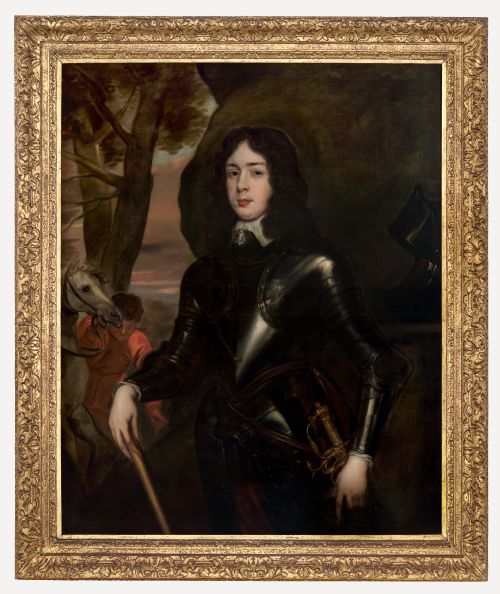
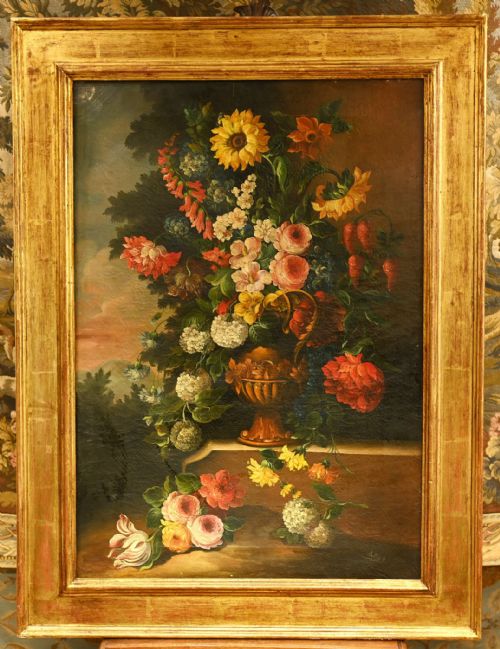
An antique flemish painting spans centuries of craftsmanship, ranging from seventeenth-century baroque works to nineteenth-century interpretations and later twentieth-century pieces. When searching this phrase, a buyer encounters oil paintings executed on canvas or wood panels, alongside related decorative items like folding screens.
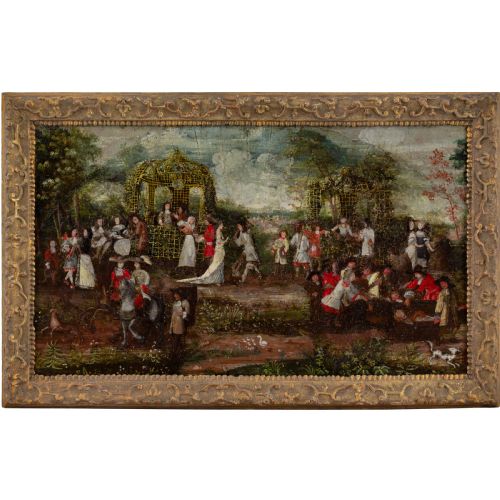
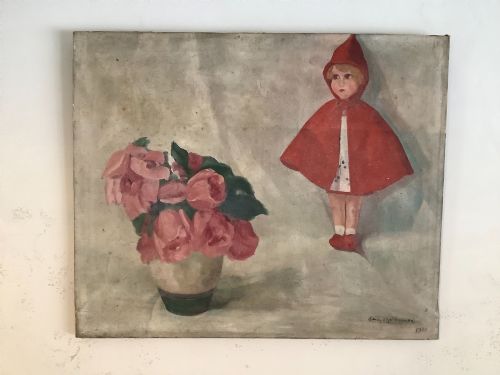
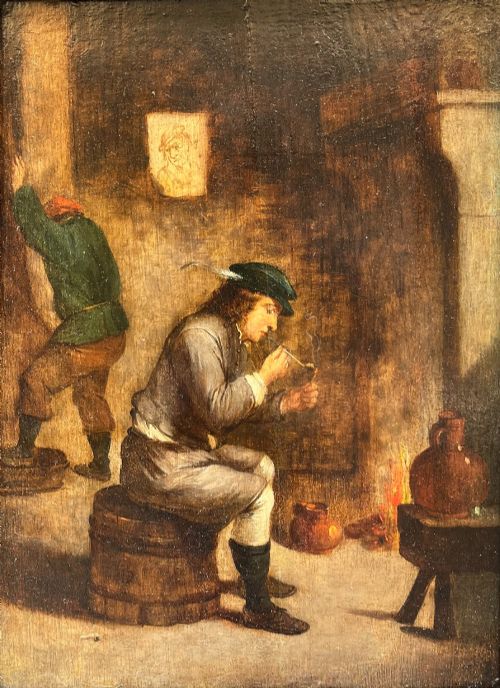
The subjects vary widely across the selection, featuring formal portraits of gentlemen and royalty, tavern interiors, rustic village fétes, and detailed floral still lifes. Many pieces reflect the styles of the northern renaissance, flemish baroque, and dutch golden age, created by named masters, their studios, or later followers.
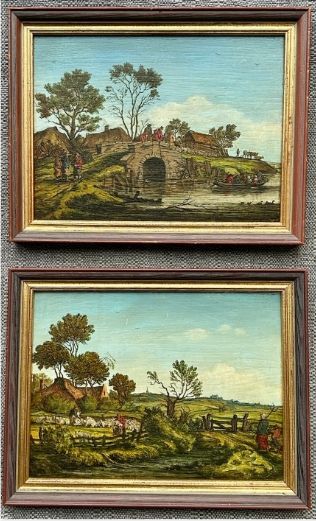
While many examples originate directly from the seventeenth and eighteenth centuries, buyers also meet nineteenth-century paintings influenced by earlier traditions. These works carry distinct regional characteristics, recording everything from quiet domestic moments to dramatic mythological scenes.
How they were made
These works rely on oil paint applied to prepared canvas or solid wood panels, capturing fine details in portraiture and texture through layered brushwork. Artisans also utilised gilded wood and carved giltwood frames to mount and complement the visual depth of the paintings.
Support materials range from stretched canvas to robust wooden boards, while auxiliary items incorporate hand-painted leather on folding screens. The integration of traditional pigments and ground layers ensures the lasting stability of these historic surfaces.
Antique Flemish Painting Retail Price Guide 2026
Typical asking prices for flemish painting among the pieces listed under this phrase on Sellingantiques today, from the lower quarter to the upper quarter. They describe what is for sale here now, not the wider market.
What varies in quality
The distinction between standard works and exceptional examples lies in the precision of the brushwork and the psychological depth of the figures portrayed. Studio pieces and followers demonstrate varying degrees of technical mastery compared to primary works by established seventeenth-century painters.
Condition and originality play a significant role, as the survival of untouched paint layers on original canvas or wood panels elevates a piece. Furthermore, the fidelity of the composition and the complexity of the surrounding giltwood framing contribute to the overall character of the artwork.
Sir Anthony van Dyck·Gaspar Peeter Verbruggen·David Teniers·Frans Snyders·Peter Paul Rubens
The Antique Flemish Painting Glossary
- Flemish Baroque
- A vibrant artistic movement characterised by dynamic movement, rich colour, and dramatic contrast between light and dark. It flourished in the seventeenth century across the Spanish Netherlands.
- Oil on Canvas
- A traditional painting technique using pigments suspended in a drying oil, applied to a woven fabric support stretched over a wooden frame. This method allows for subtle blending and rich texture.
- Wood Panel
- A rigid wooden support used for paintings before canvas became dominant, providing a smooth and stable surface for meticulous detail. Panels are frequently found in earlier northern European works.
- Giltwood
- Wood that has been treated with a thin layer of gold leaf or gold paint, commonly used for ornate frames. It enhances the visual presentation of historic paintings.
- Genre Painting
- A style depicting scenes from everyday life, such as tavern interiors, markets, and domestic activities. These works offer a window into the social history of the period.
Antique Flemish Painting: Frequently Asked Questions
How do I care for an antique oil painting?
Keep the artwork away from direct sunlight and extreme temperature fluctuations to prevent the canvas or wood panel from warping and the oil paint from cracking.
Dust the surface gently with a soft, dry brush and avoid using any liquid cleaners or chemical solvents on the paint layer.
What is the difference between a studio piece and an original painting?
A primary painting is executed entirely by the master artist, whereas a studio piece is produced under their supervision with significant input from assistants and pupils.
Studio works often follow the master's composition closely, offering similar stylistic qualities at a different level of execution.
How can I tell a seventeenth-century painting from a nineteenth-century copy?
Examine the preparation of the canvas or wood panel, the ageing of the oil paint, and the specific crackle pattern across the surface known as craquelure.
Nineteenth-century interpretations often reveal different pigment compositions and framing styles that reflect the revival aesthetics of that later era.
Where should I hang a flemish oil painting in my home?
Select a wall with stable ambient conditions, away from heating vents, damp areas, and direct afternoon sun to protect the historic materials.
Pair the work with traditional lighting that illuminates the canvas evenly without generating excessive heat near the surface.