



Antique Flatware Caddy
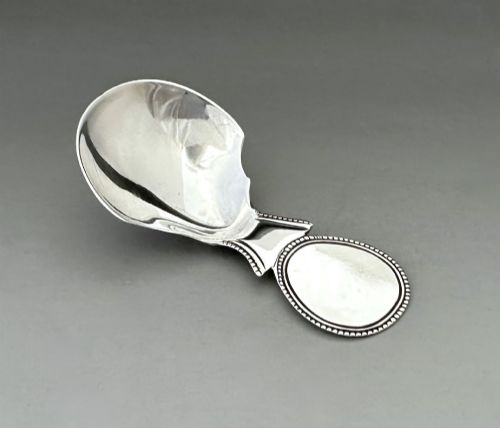
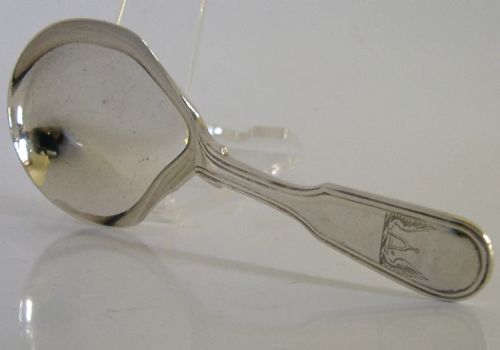
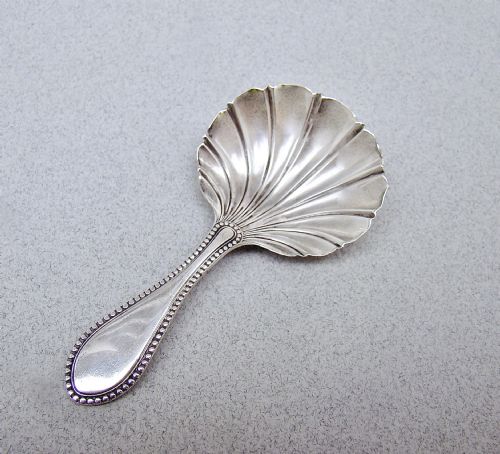
An antique flatware caddy or related silver spoon is a practical piece of history designed to serve tea with precision and elegance.
Antique Flatware Caddy
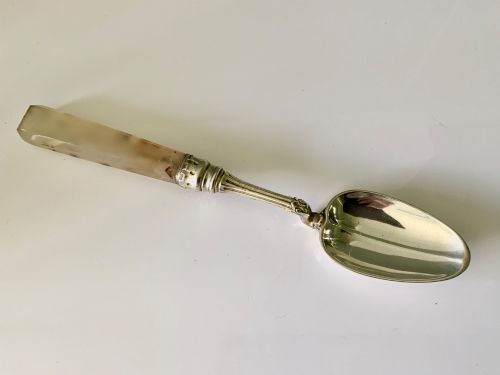
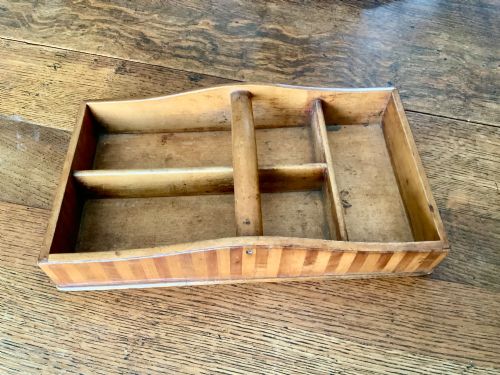
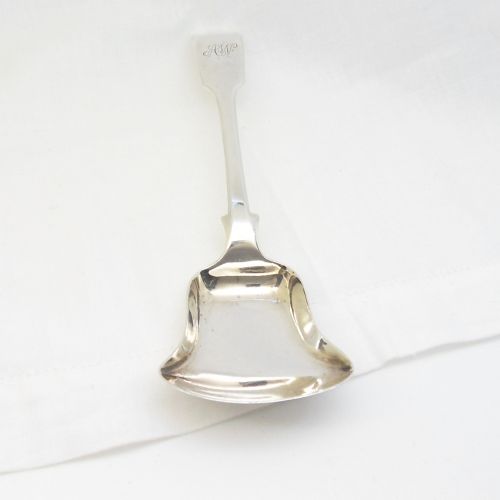
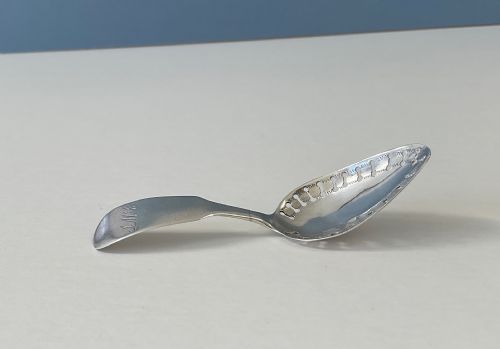
When you search for an antique flatware caddy, you encounter a mix of specialised serving implements and small wooden storage boxes. The items range from Georgian and Victorian silver caddy spoons to pine, mahogany, and oak cutlery trays.
The most common examples on this page are silver caddy spoons dating from the Georgian and Victorian periods, often featuring engraved bowls or specialised shovel and shell forms. Wooden storage boxes in pine, sycamore, and fruitwood represent the larger container side of the selection.
Origins span English provincial assay offices like Newcastle and Glasgow alongside London workshops, stretching to Scottish, Irish, and Scandinavian pieces. Forms vary widely from delicate preserve spoons to robust country cutlery boxes.
Materials and construction
Silversmiths shaped sterling silver using techniques such as hammering, casting, and piercing, frequently adding intricate foliate engraving or family crests to the bowls and handles. Double striking provided heavy relief ornamentation on the reverse of specific spoons.
Wooden boxes and trays utilised native timbers like pine, mahogany, fruitwood, sycamore, and Welsh oak, constructed with traditional joinery to hold cutlery securely for daily use.
Antique Flatware Caddy Retail Price Guide 2026
Typical asking prices for flatware caddy among the pieces listed under this phrase on Sellingantiques today, from the lower quarter to the upper quarter. They describe what is for sale here now, not the wider market.
Judging the standard
Quality rests on the crispness of the maker marks, the clarity of assay office stamps, and the preservation of original hand-engraved details on the silver surface. Crisp foliate motifs and unrubbed crests distinguish superior silversmith work.
In wooden trays and boxes, the choice of timber and the integrity of the original construction dictate the standard. Superior examples retain their natural patination and structural soundness without modern repairs.
Joseph Willmore·Martin Hall And Co·John Walton·Oliver Barker·Amy Sandheim·Georg Jensen·George Unite·George Wintle
The Antique Flatware Caddy Glossary
- Caddy Spoon
- A specialised small spoon designed for measuring tea leaves from a caddy into a teapot. These typically feature shallow bowls and short handles.
- Assay Office
- An official body that tested precious metals and stamped items with hallmarks to guarantee the standard of silver. Towns like Newcastle, Glasgow, Sheffield, and London maintained distinct offices.
- Hallmark
- A series of official marks stamped onto silver articles indicating the maker, the metal standard, the assay office, and the year of production.
- Cutlery Tray
- An open wooden container divided into compartments for organising knives, forks, and spoons on the dining table or sideboard.
- Bifurcate
- A term describing a handle or stem that divides into two distinct branches or prongs. This formation appears on specific nineteenth-century silver spoons.
Antique Flatware Caddy: Frequently Asked Questions
What is a caddy spoon used for?
A caddy spoon was specifically designed to scoop loose tea leaves from a storage caddy into a teapot during the Georgian and Victorian eras.
Their short handles and wide bowls allowed them to fit neatly inside typical tea caddy openings while holding the exact measure required for brewing.
How do I identify a Georgian silver spoon?
Georgian silver spoons are identified by consulting the stamped hallmarks, which include the maker's mark, the lion passant indicating sterling standard, and a date letter corresponding to the reign of George III, George IV, or William IV.
The style of engraving and handle shape, such as fiddle pattern or shovel bowls, also point to the late eighteenth and early nineteenth centuries.
What is the difference between a cutlery box and a tray?
A cutlery box generally refers to a covered or partitioned container designed to protect flatware from dust, while a cutlery tray is an open vessel intended for sorting utensils during use.
Both forms appear in woods like mahogany, pine, and oak across the eighteenth and nineteenth centuries.
How should I clean antique silver spoons?
Antique silver spoons require gentle cleaning with a soft cloth and specialised silver cleaner only when tarnish becomes heavy, preserving the underlying metal and hallmarks.
Aggressive scrubbing can wear away thin silver layers and soften the crisp edges of maker marks and engraved crests.