
Antique Flask
An antique flask holds liquids for travel or personal grooming, ranging from silver-mounted scent bottles to copper warming vessels.
Antique Flask
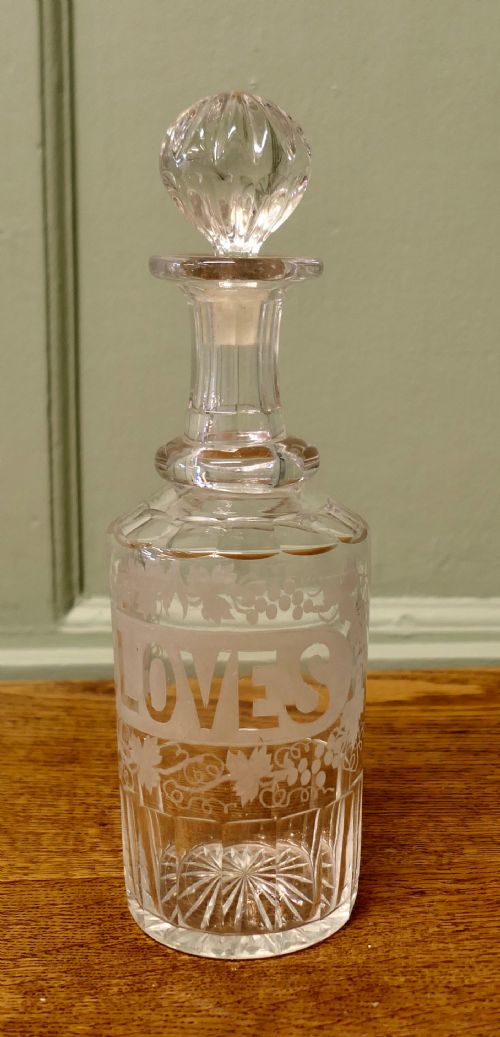
The term antique flask covers a wide functional spread, including pocket hip flasks, ceramic whisky containers, scent bottles, and decorative pilgrim vessels. Buyers searching this phrase will encounter domestic items spanning the Georgian, Victorian, and Edwardian eras, alongside continental and Asian pieces.
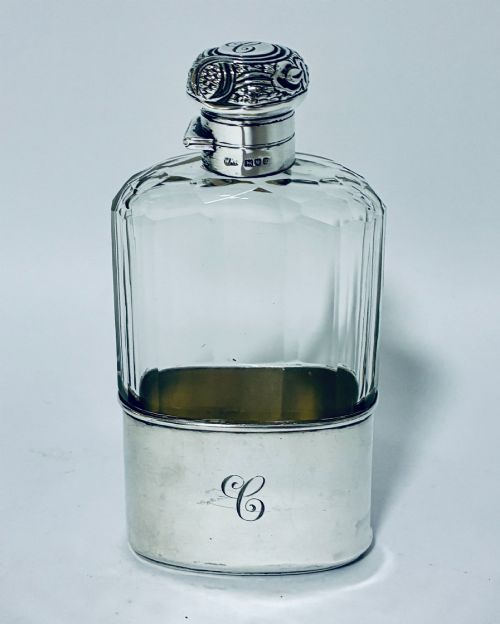
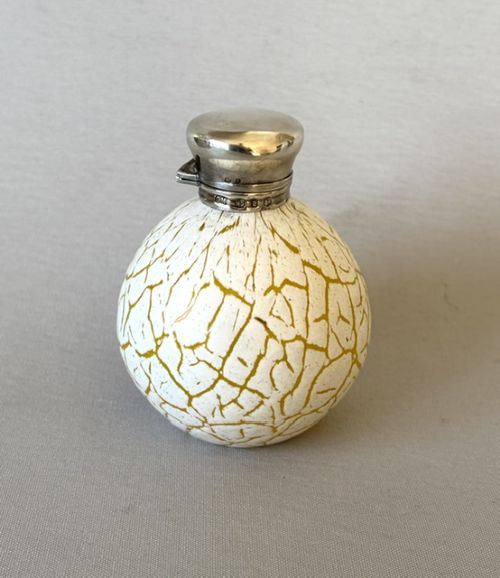
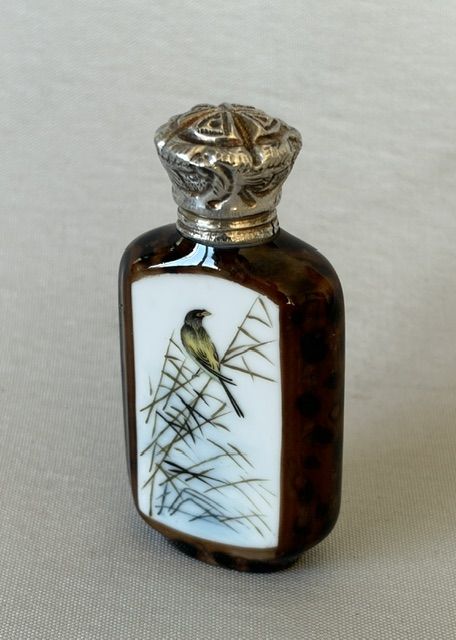
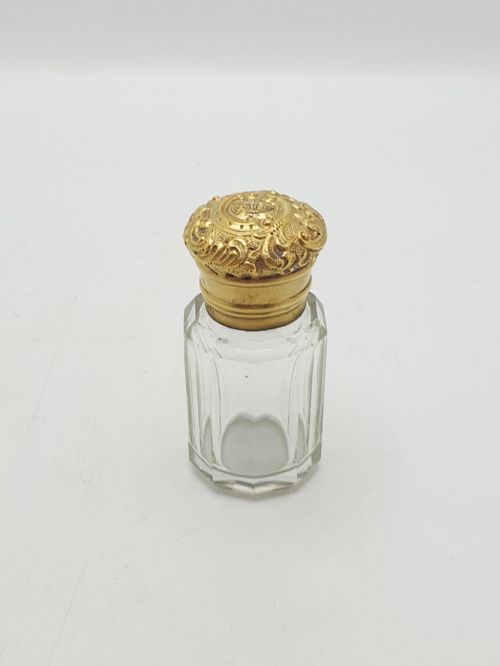
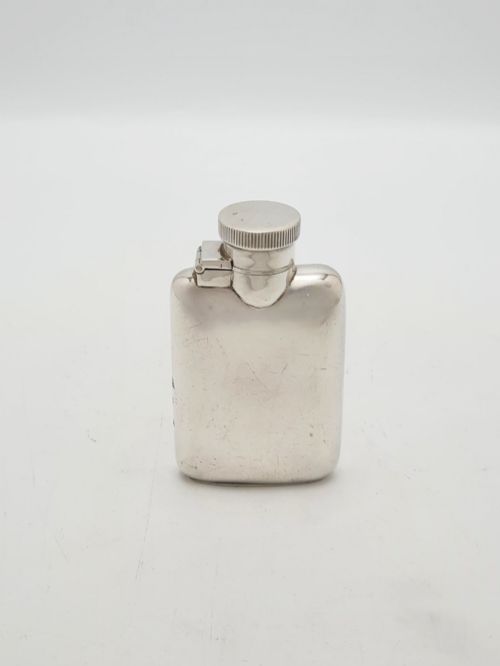
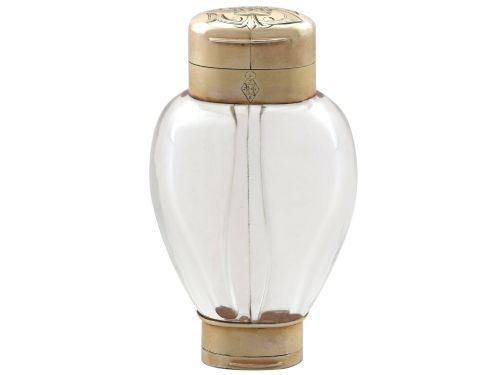
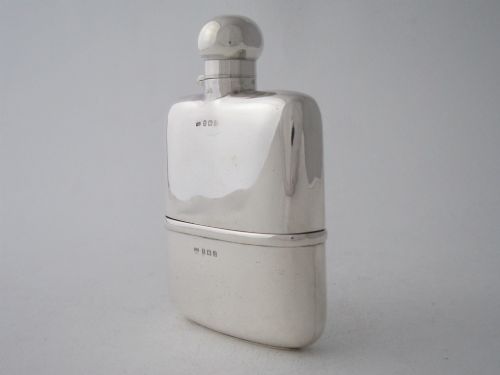
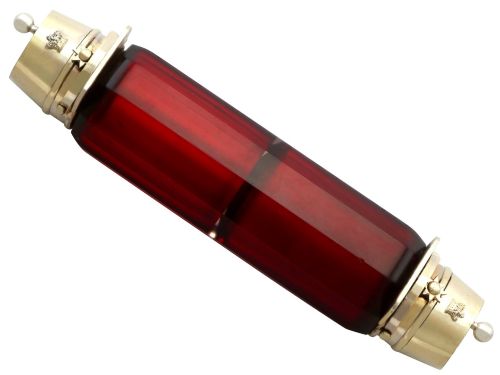
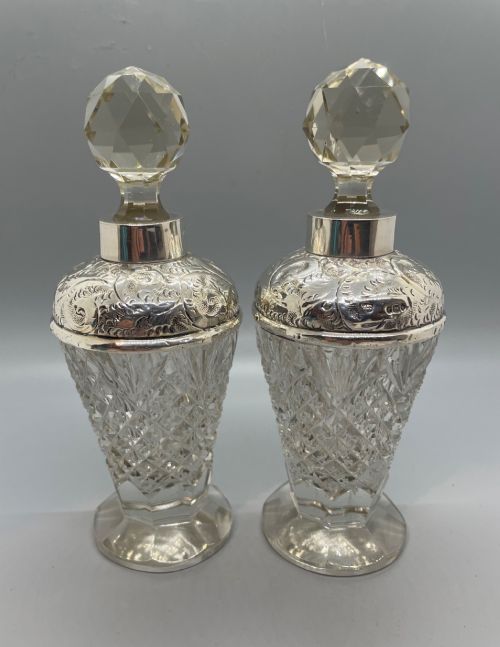
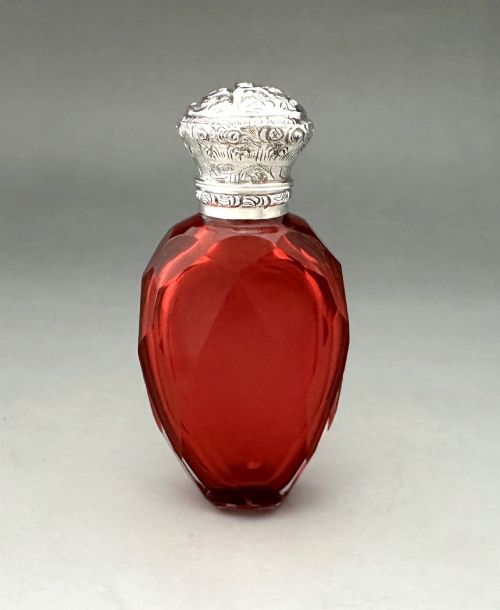
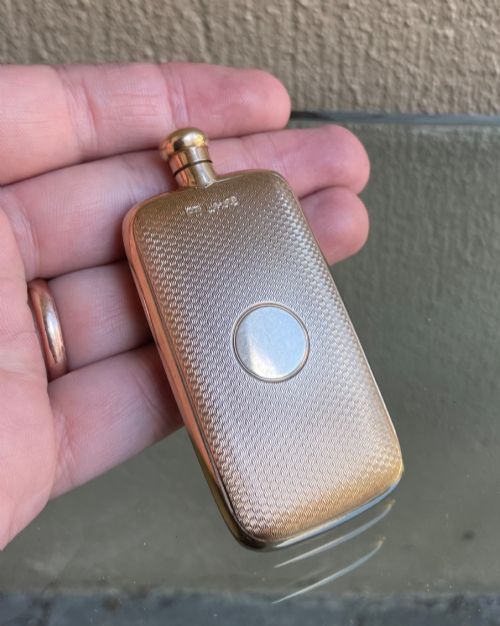
Victorian silver-mounted glass scent bottles and pocket hip flasks form the bulk of the offerings on this page. These portable vessels combine precious metals with cut, ruby, or opaline glass, reflecting nineteenth-century habits of carrying perfume and spirits.
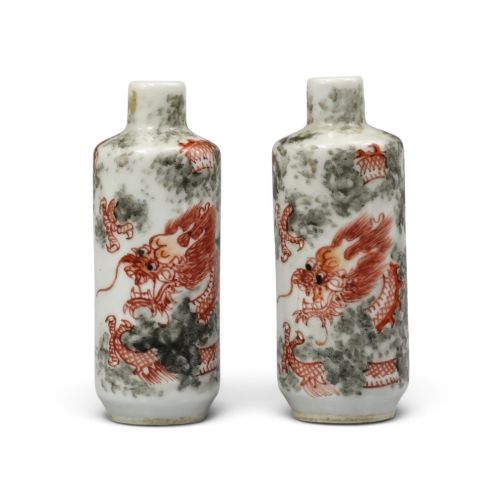
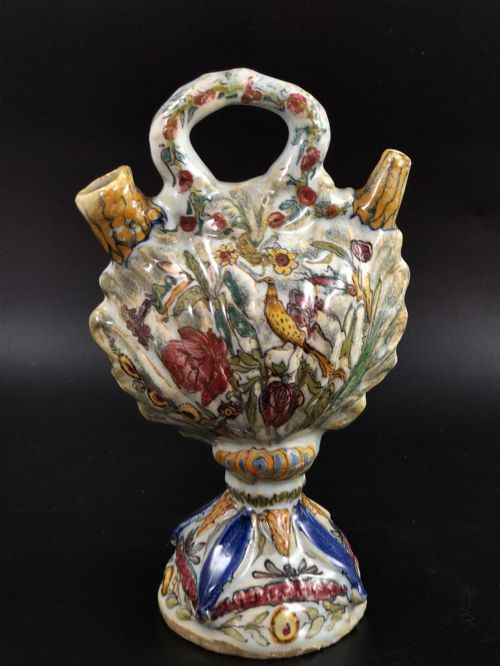
Earlier examples shift toward utilitarian copper warming vessels and earthenware storage, while twentieth-century pieces lean into clean Art Deco geometric lines. Regional variations appear in French chatelaine bottles, Italian majolica, and Chinese porcelain snuff bottles.
Materials and Technique
Silversmiths constructed mounts, caps, and hinged vinaigrettes from sterling silver and silver-gilt, often incorporating chased decoration or tortoiseshell inlay. Glassmakers produced bodies through mold-blowing, cutting, or layering colours like cranberry, cobalt, and ruby into the glass matrix.
Ceramic and stoneware flasks relied on traditional throwing and moulding techniques, finished with painted enamel, salt glazes, or iron-red pigment. Metal workers forged copper and brass into warming flasks, attaching turned wooden handles and secure threaded stoppers for field use.
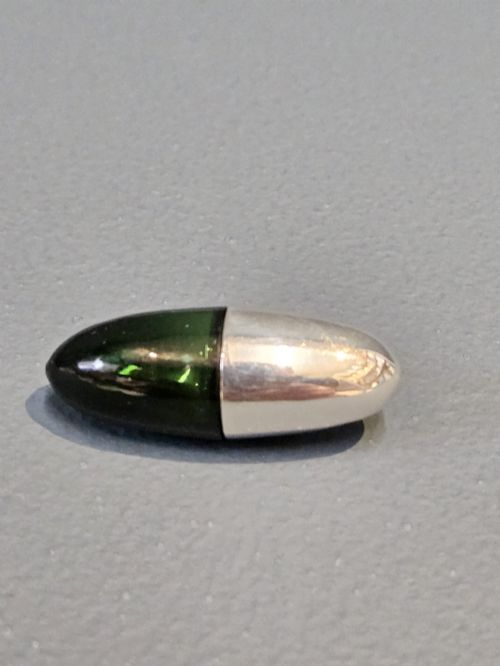
Listings feature sterling silver mounts combined with cranberry, ruby, and opaline glass across the Victorian and Edwardian periods.
Assessing Quality
The caliber of an antique flask rests on the crispness of its metal mounts and the weight of its glass or ceramic body. Heavy cut crystal and thick sterling silver retain their structural integrity, whereas thin metal or brittle glass loses definition at the edges.
Artistic execution dictates value in painted and enameled surfaces. Hand-painted floral motifs and finely detailed silver overlay demonstrate superior workshop output compared to mass-produced stamped decoration.
Saunders & Shepherd·James Dixon & Sons·Sampson Mordan·Gorham·Jacob Petit
The Antique Flask Glossary
- Bayonet cap
- A closure mechanism requiring a push and a twist to lock securely. This design prevents leaks in pocket-sized hip flasks.
- Chatelaine scent bottle
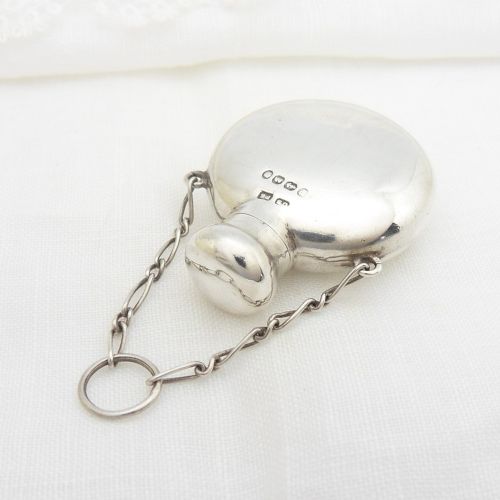
- A small container suspended from a waist-clip worn by Victorian women. It allowed the wearer to carry perfume during social calls.
- Vinaigrette
- A small interior perforated grill holding a sponge soaked in aromatic vinegar. These were housed inside silver scent bottles to revive the user.
- Moon flask
- A flattened circular vessel with a short neck and two small handles. This form draws inspiration from traditional Asian and Middle Eastern ceramic shapes.
- Silver-gilt
- Sterling silver coated with a thin layer of gold. This treatment protected the silver from tarnishing when exposed to strong perfumes.
Antique Flask: Frequently Asked Questions
What is the difference between a scent bottle and a hip flask?
Scent bottles are small, delicate containers designed to hold perfume or smelling salts, frequently fitted with glass stoppers and silver hinged caps.
Hip flasks are robust metal or ceramic receptacles engineered to carry potable spirits for hunting, military campaigns, or travel.
How do I date a Victorian silver-mounted flask?
Dating relies heavily on the hallmarks stamped into the silver mounts by official assay offices. These marks typically include a date letter, a city mark, and a maker's mark.
Stylistic cues, such as the heavy ornamentation of the mid-nineteenth century versus later Edwardian restraint, offer secondary confirmation.
Were ceramic flasks used for display or storage?
Stoneware and earthenware flasks served primarily as commercial packaging and storage for whisky, gin, or ginger beer. Merchants utilised sturdy ceramic bodies to transport liquids safely before glass production became fully mechanized.
Decorative porcelain and majolica flasks, conversely, remained ornamental items for display in cabinets or on mantelpieces.
How should I clean silver mounts on glass flasks?
Cleaning requires a soft microfiber cloth and a gentle silver polish applied strictly to the metal components. Care must be taken to keep polishing compounds away from porous glass interiors, enamel work, or cork stoppers.
Regular dusting and minimal handling preserve the original patina on both the silver and the glass.