
Antique Fitted Cabinet
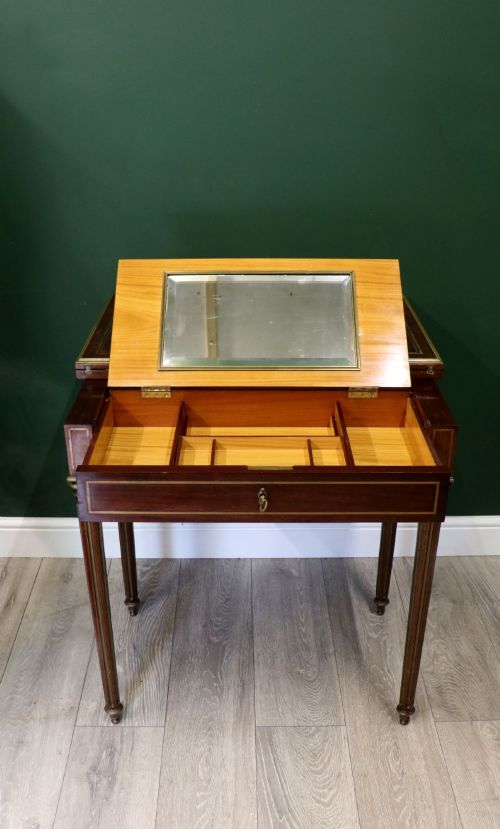
An antique fitted cabinet provides structured storage through internal drawers, pigeon holes or compartments, spanning periods from the eighteenth century onwards.
Antique Fitted Cabinet
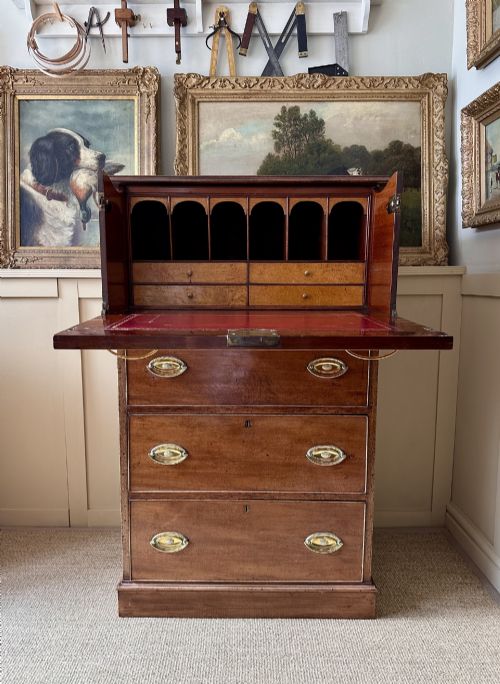
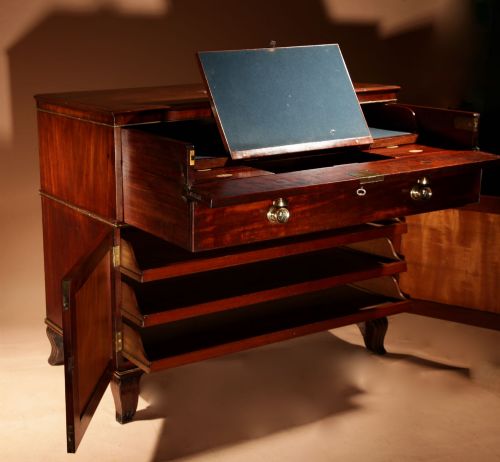
An antique fitted cabinet encompasses pieces designed with internal organisation, ranging from bureaus and secretaires to wardrobes, linen presses, and specialised storage units. These pieces serve practical organizational functions while displaying the period furniture styles of their respective eras.
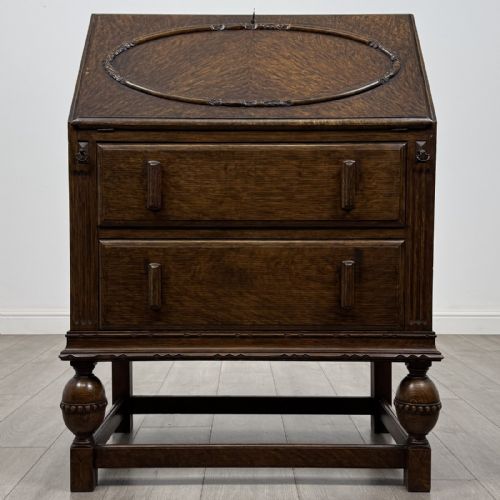
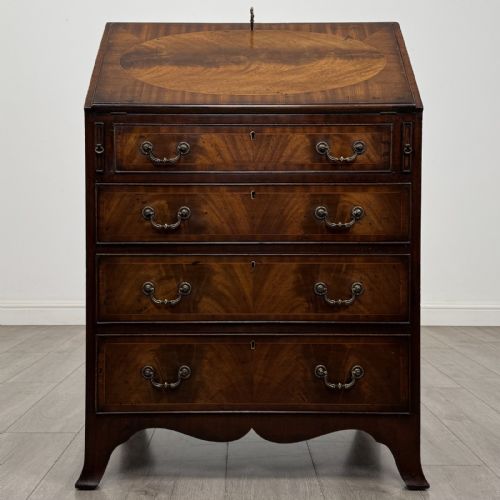
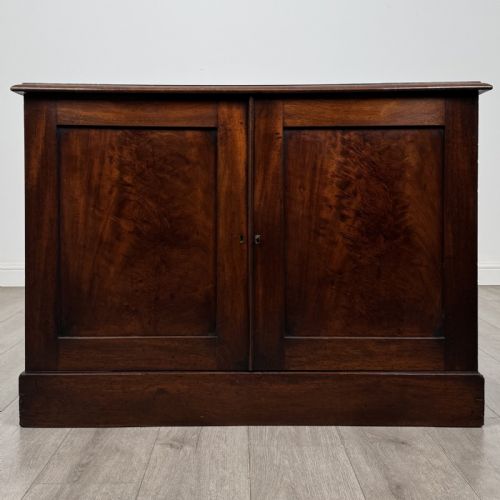
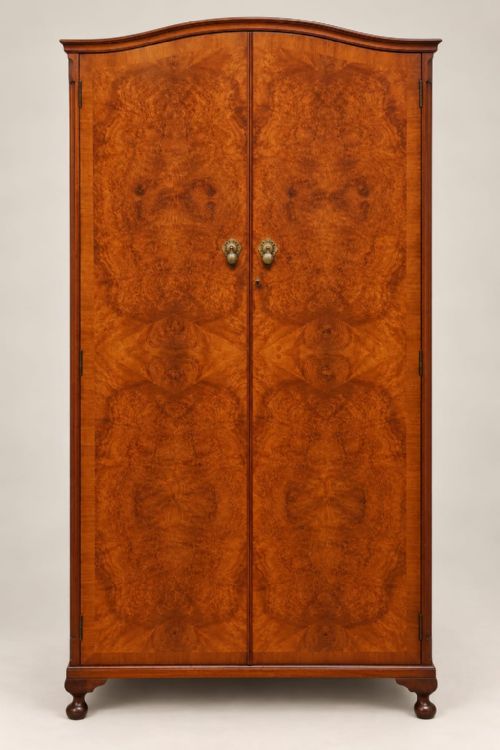
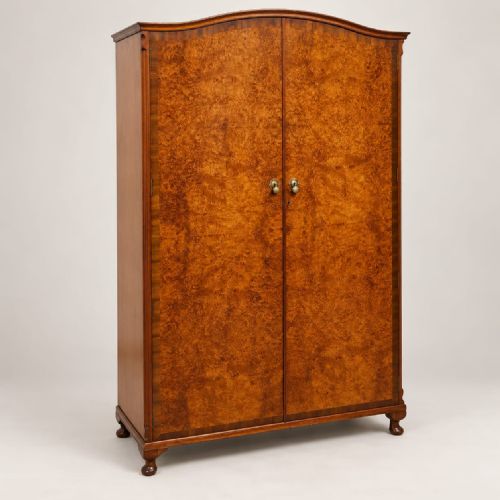
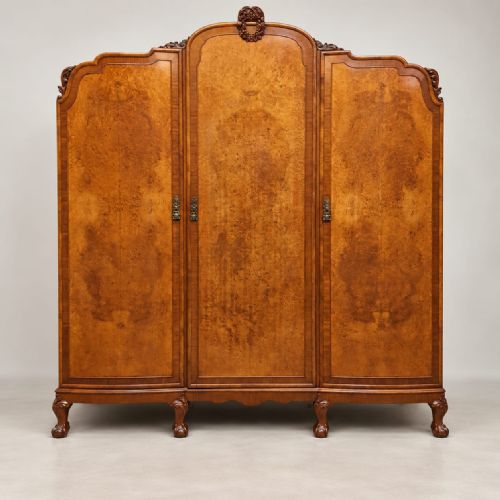
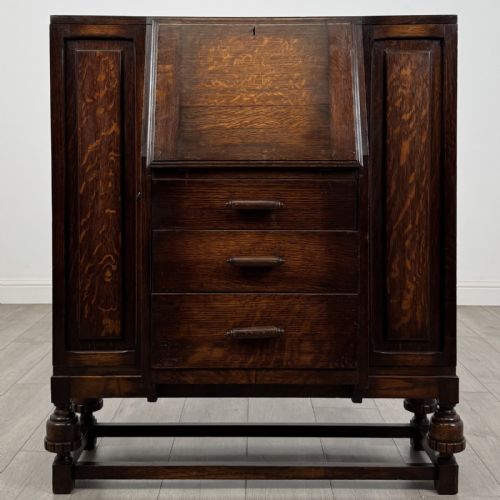
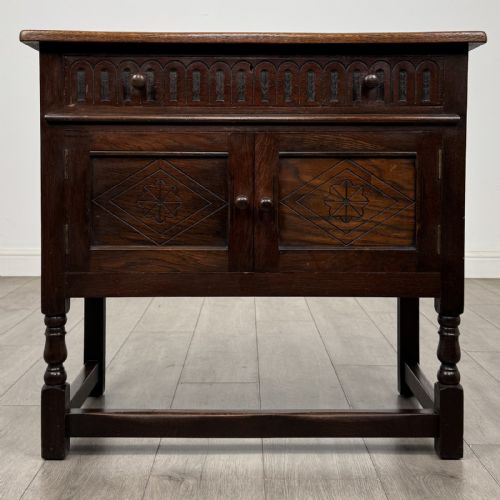
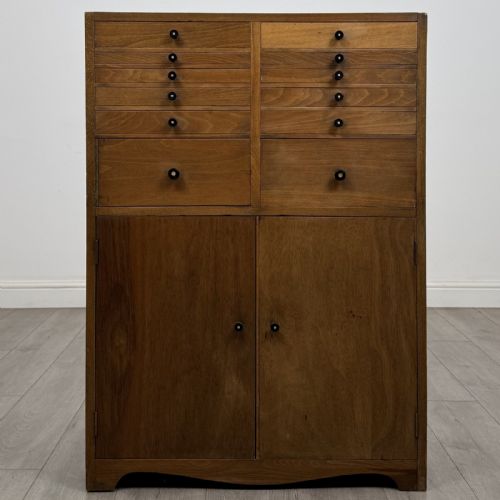
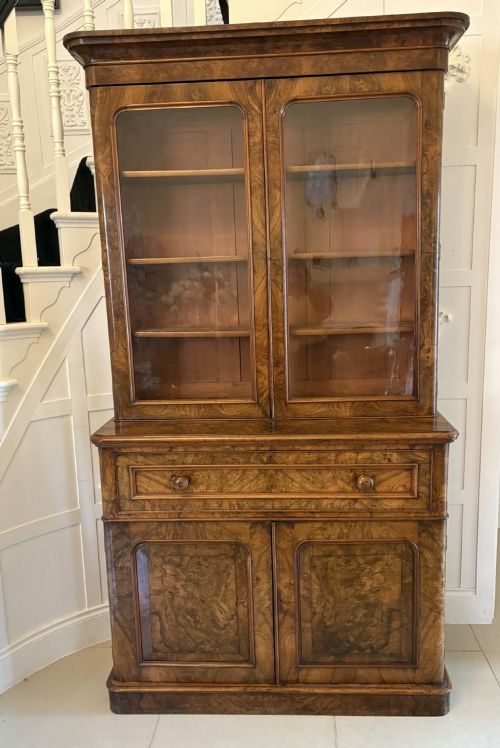
The selection includes compact writing desks with fitted interiors, large wardrobes in burr walnut, and multi-drawer banks or storage cabinets. Oak, mahogany, and walnut dominate the forms, frequently showing Edwardian, Victorian, and Georgian stylistic influences.
Buyers seeking an antique fitted cabinet will encounter various configurations featuring internal pigeon holes, small drawers, or specialised brackets. Each form reflects the specific domestic or commercial storage requirements of its original period.
How they were made
Makers constructed these cabinets using solid timbers such as oak and mahogany, alongside decorative veneers including burr walnut and birds eye maple applied to secondary woods. Brass hardware, glass doors, and leather inserts complete the construction of the internal compartments and exterior facades.
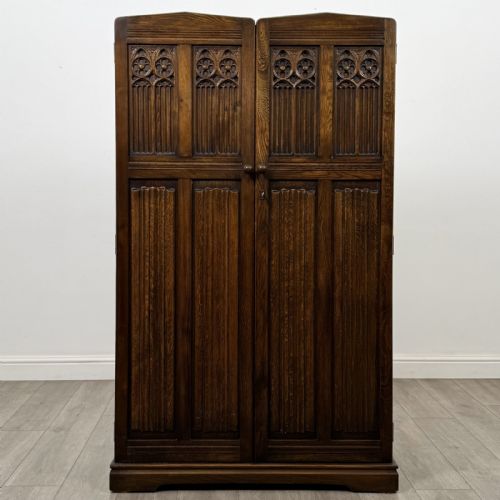
Cabinetmakers utilised traditional joinery techniques to build robust frames capable of supporting heavy internal drawers and fitted writing desks. Carved details, linenfold panels, and figured grain patterns display the precise woodworking methods employed across different centuries.
What varies in quality
The selection of timber grain, particularly figured mahogany and burr walnut veneer matched across large surfaces, sets higher quality examples apart from plainer utilitarian storage. Superior execution shows in the crispness of carved oak details and the seamless integration of internal drawers.
Internal complexity and the preservation of original fittings dictate distinction within the range. Cabinets retaining complete sets of pigeon holes, original brass handles, and working locks demonstrate superior craftsmanship and survival.
Gillows of Lancaster·G. Bartholomew & Co·Shoolbred & Co.
The Antique Fitted Cabinet Glossary
- Bureau
- A desk with a sloping hinged lid that opens to reveal a fitted interior of small drawers and pigeon holes. These writing cabinets became popular during the Georgian period.
- Secretaire
- A piece of furniture containing a drawer or compartment that pulls out and drops down to form a writing surface. It conceals an arrangement of small fitted drawers and pigeon holes.
- Compactum
- A large wardrobe or multi-purpose wardrobe designed with internal partitions, hanging space, and banks of internal drawers. This form maximises storage within a single footprint.
- Pigeon hole
- A small, open compartment within a fitted desk or cabinet used for sorting letters and papers. These compartments form part of the internal organisation.
- Linenfold
- A style of wood carving that imitates folded linen, commonly found on panels of early oak cabinets and wardrobes. This decorative technique creates textured surface relief.
Antique Fitted Cabinet: Frequently Asked Questions
How were fitted cabinets used?
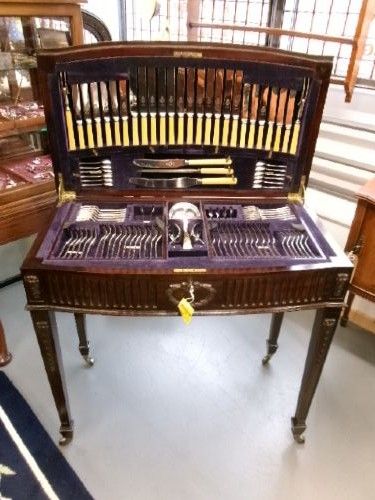
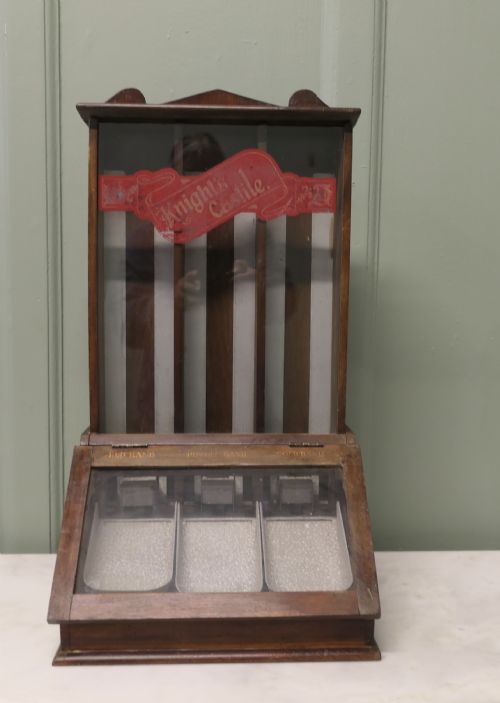
These cabinets served multiple domestic and commercial purposes, from storing correspondence and ledgers in a bureau to organising clothing in wardrobes and linen presses. Specialised versions held cutlery, shop goods, or collector specimens.
The internal fittings allowed owners to keep small items sorted and secure, adapting furniture design to increasingly specialised storage needs over the centuries.
How do I identify the period?
Period identification relies on combining the timber species, construction methods, and stylistic motifs visible across the piece. Georgian furniture often uses solid mahogany, while Edwardian pieces frequently feature light oak or inlaid mahogany.
Looking at secondary woods inside drawers, the style of brass hardware, and overall proportions helps place a cabinet within eras such as the Victorian or Art Deco periods.
How do I live with one?
Living with a fitted cabinet involves utilising its internal compartments for modern organisation, whether storing stationery in bureau pigeon holes or glassware in display cabinets. Placing them away from direct heat sources protects the timber and veneer.
Regular polishing with appropriate wax maintains the finish of woods like burr walnut and oak, ensuring the moving parts and drop-down writing surfaces function smoothly.