



Antique Fish Mount
An antique fish mount brings the quiet stillness of Victorian waters straight indoors through preserved specimens and sporting art.
Antique Fish Mount
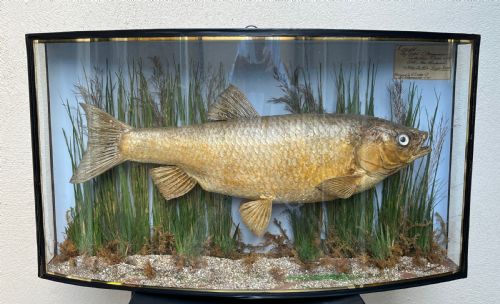
When you search for an antique fish mount, you encounter preserved specimens and sporting artworks that capture nineteenth and twentieth century angling culture. These pieces range from taxidermy roach and tench to oil paintings and prints celebrating the pursuit of fish.
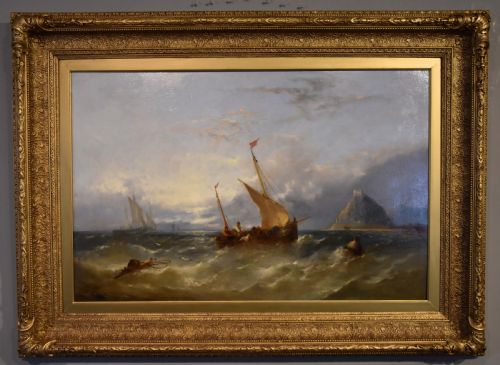
The most common versions on this page are cased taxidermy specimens created by notable practitioners like Little and Co and J Cooper and Sons. Alongside these preserved catches, you find nineteenth century seascapes and sporting prints featuring subjects like St Michael's Mount and classic fishing scenes.
Materials and construction
Taxidermy specimens utilise preserved fish mounted among gravel, dried reeds, and painted paper backgrounds to simulate natural underwater habitats. These displays sit enclosed within wooden and glass cases, often with ebonised frames that protect the fragile contents from dust and moisture.
Artworks employ oil on canvas, oil on card, and hand-coloured woodblock prints to depict maritime views and fish subjects. Framing relies on traditional wooden mouldings, occasionally accompanied by architectural bronze or brass details.
Antique Fish Mount Retail Price Guide 2026
Typical asking prices for fish mount among the pieces listed under this phrase on Sellingantiques today, from the lower quarter to the upper quarter. They describe what is for sale here now, not the wider market.
Listings feature eighteenth, nineteenth, and twentieth century pieces utilising glass, wood, paper, oil on canvas, and preserved specimens.
What separates the fine examples
Quality in taxidermy mounts rests upon the lifelike preservation of the specimen and the artistic arrangement of the internal diorama. Skilled practitioners like Cooper achieved superior depth by carefully painting the paper background and arranging gravel and reeds to mimic a natural riverbed.
For painted works and prints, excellence shows in the handling of light across water and the clarity of the composition. Original framing, legible signatures, and well-documented dates further distinguish the finer pieces from simpler decorative items.
Little and Co·James Jones of London·J Cooper and Sons
The Antique Fish Mount Glossary
- Taxidermy
- The art of preserving and mounting animal specimens to mimic their living appearance. In this context, it refers specifically to preserved fish housed in glazed display cases.
- Ebonised wood
- Timber treated with a finish that darkens the grain to resemble ebony. This dark treatment frequently frames Victorian taxidermy cases.
- Woodblock print
- An image created by carving a design into a block of wood, applying ink, and pressing it onto paper. These prints often feature hand-coloured details.
- Convex mirror
- A round mirror with a curved surface that reflects a wide field of view. These pieces sometimes feature ornate gilded frames featuring eagles.
Antique Fish Mount: Frequently Asked Questions
How do I care for a taxidermy fish case?
Keep glass cases out of direct sunlight to prevent the fading of painted paper backgrounds and preserved specimens. Dust the wooden frames gently with a dry cloth and avoid introducing moisture near the sealed joints.
Changes in temperature and humidity can damage nineteenth century taxidermy materials. Position your display in a stable indoor environment away from radiators or damp walls.
What periods do these pieces come from?
The selection spans the nineteenth and twentieth centuries, including Victorian, Edwardian, and Regency eras. Dates range from the early eighteen hundreds through to the nineteen forties.
Victorian pieces often feature elaborate glazed cases with painted riverbed settings, while later twentieth century examples maintain similar taxidermy traditions through established firms.
Are the paintings original works?
The selection includes original oil paintings on canvas and card, alongside hand-coloured woodblock prints and sporting prints. Each artwork reflects nineteenth or twentieth century British and European sporting art traditions.
Signatures and inscriptions on the paintings or surrounding mounts help identify the artists and the specific coastal or river locations depicted.
What materials make up the display cases?
Taxidermy mounts utilise glass, wood, ebonised wood frames, dried reeds, paper, and gravel to construct realistic underwater dioramas. The preserved fish specimen forms the central focal point within these protective wooden boxes.
Additional items on the page incorporate brass, bronze, and oil paints to represent maritime subjects and fishing themes across different decorative forms.