





Antique Fire Mantel
These antique fire mantel pieces anchor a room with architectural presence, offering the decorative frame that defines a period hearth.
Antique Fire Mantel
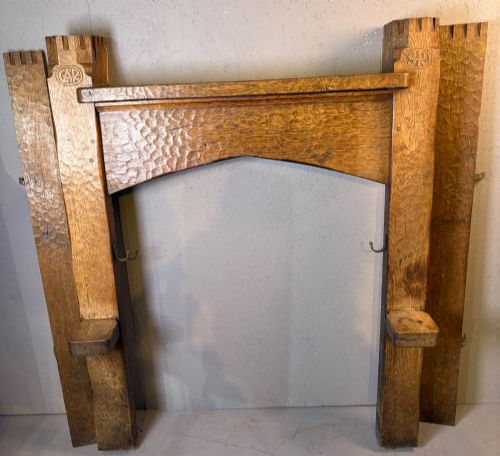
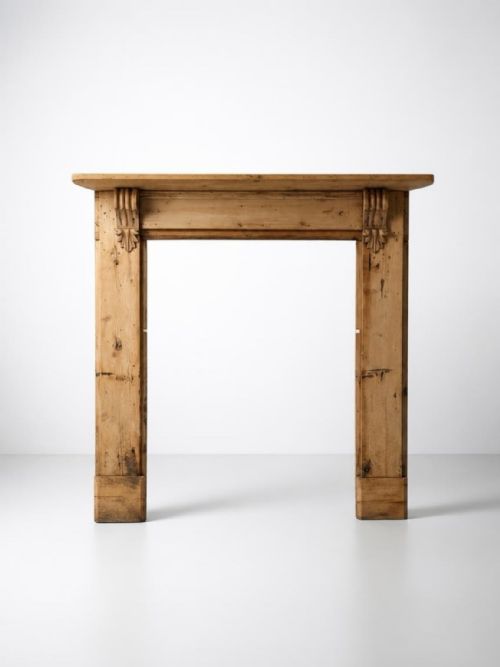
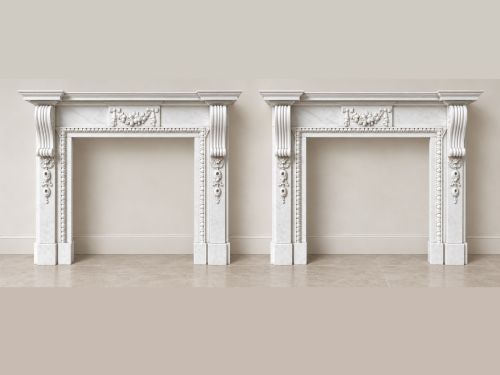
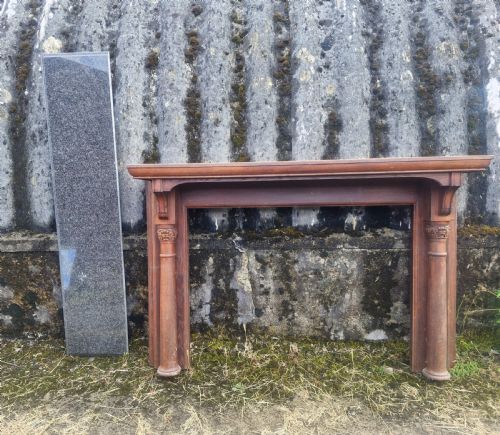
The objects listed on this page take the form of fireplace surrounds, fireplace fenders, and architectural models. Materials range from carved white marble and slate to pine, oak, pitch pine, and elm.
Stylistic expressions vary from Georgian and Regency to Edwardian Neoclassical, French Rococo, Victorian Folk Art, and Art Deco. These pieces serve as the focal point of a chimney breast, framing the fire basket or grate below.
How they were made
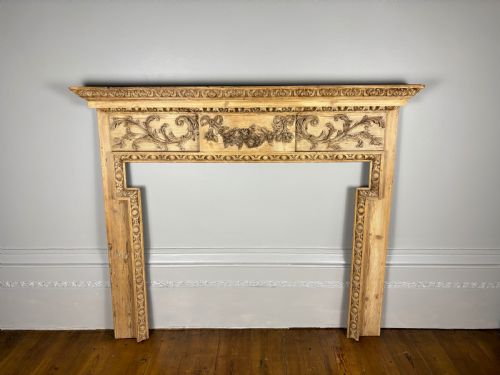
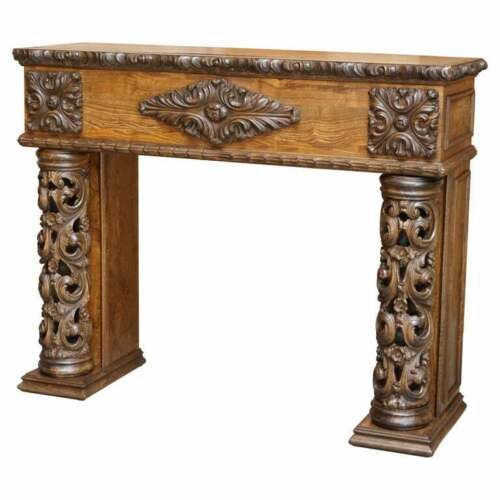
Carvers shaped heavy timber such as oak, pine, pitch pine, and elm using hand tools to create friezes, fretwork columns, and decorative mouldings. Stonemasons worked white marble, black Welsh slate, and granite into substantial jambs and lintels.
Metal components involved bronze, gilt bronze, and ormolu, often cast and parcel-gilded forchenets and andirons. Gesso was applied to pine substrates in Regency pieces to hold crisp ornamental relief work.
Antique Fire Mantel Retail Price Guide 2026
Typical asking prices for fire mantel among the pieces listed under this phrase on Sellingantiques today, from the lower quarter to the upper quarter. They describe what is for sale here now, not the wider market.
Someone once carved an entire Victorian fireplace surround out of Welsh slate just to see if the mountain would fit in the parlour.
What varies in quality
The depth and sharpness of hand-carved relief work dictate the visual distinction of a wooden surround, separating plain joinery from elaborate sculptural execution. Statuary marble and breche violet varieties demonstrate superior geological selection compared to standard domestic stones.
Proportion and architectural balance define the merit of a piece, whether dealing with simple Victorian slate or an early carved oak mantel. The integrity of the original surface finish, from parcel-gilding on bronze chenets to polished gesso on pine, influences the character of the surviving object.
The Antique Fire Mantel Glossary
- Chenet
- A metal support used in pairs to hold logs in an open hearth, often matching the decorative style of the surround. These French bronze and parcel-gilt examples sit directly in front of the fire grate.
- Frieze
- The central horizontal band of a fireplace mantel located beneath the shelf and above the opening. This architectural element frequently carries carved wooden details or classical motifs.
- Gesso
- A plaster-based mixture applied to wood surfaces and built up to be carved or moulded. Regency period surrounds utilise this technique beneath paint or gilding.
- Breche Violet
- A type of decorative marble characterised by its complex purple and violet veining. Victorian examples employ this stone for high-status drawing-room mantels.
- Jamb
- The vertical post or side piece of a fireplace surround that supports the mantel shelf above. These stone or timber members frame the opening of the hearth.
Antique Fire Mantel: Frequently Asked Questions
How do I choose the right size mantel?
Measure the height and width of your existing chimney opening and room proportions before selecting a surround. Consider the projection of the mantel shelf into the room to ensure balance with surrounding furniture.
Take note of the internal rebate dimensions recorded in individual listings to confirm clearance for your fire basket or insert. Scale remains critical when pairing architectural elements with period room volumes.
Can I install an antique marble mantel with a modern fire?
Marble and stone surrounds accommodate modern gas or electric fire inserts provided clearances meet safety regulations. Professional installation is essential when dealing with heavy materials such as white statuary marble or slate.
Isolate the heat source from vulnerable timber or stone using appropriate fireboard backing and insulation. Consult a qualified fitter experienced in historic architectural salvage.
How do I clean an antique wooden fire surround?
Dust timber surfaces regularly with a soft, dry cloth to prevent the accumulation of grit in carved recesses. Avoid commercial silicone polishes that penetrate the grain and alter the historic patina of pine or oak.
Apply a microcrystalline wax sparingly to feed dry wood and protect the surface finish from atmospheric moisture. Test any conservation product on a concealed area first.
What is the difference between a Victorian and an Edwardian mantel?
Victorian mantels often feature heavier proportions, dark slate, or richly figured marbles in architectural styles influenced by earlier Gothic and Rococo revivals. Cast iron inserts and deep shelf mouldings typify the period.
Edwardian pieces tend to display lighter forms, softer neoclassical symmetry, and simpler timber framing in pine or oak. They reflect a shift towards brighter domestic spaces with restrained decorative carving.
How do I care for antique marble?
Wipe marble surfaces using a damp cloth and neutral soap, avoiding acidic cleaning agents that etch the stone. White statuary marble and breche violet require gentle handling to preserve their polished face.
Keep oils and harsh chemicals away from porous stone to prevent permanent staining. Professional stone restorers can address deep-seated discoloration if necessary.