






Antique Field Case
An antique field case is a portable kit built for travel, science or military duty, combining sturdy leather, brass and mahogany to serve an active life on the move.
Antique Field Case
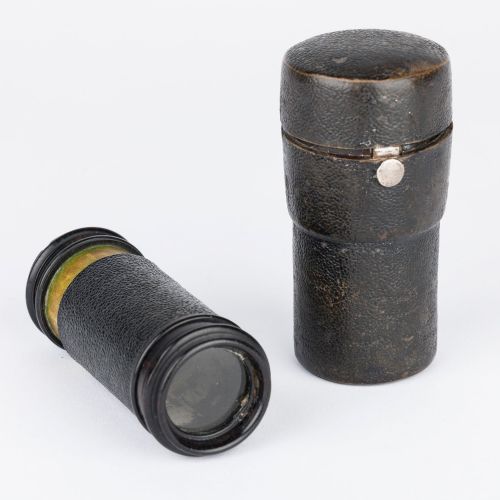
When you search for an antique field case, you encounter portable containers and fitted kits used for military campaigns, scientific work, medical care and policing. These functional objects span the eighteenth century, the Victorian and Edwardian eras, and the mid-twentieth century.
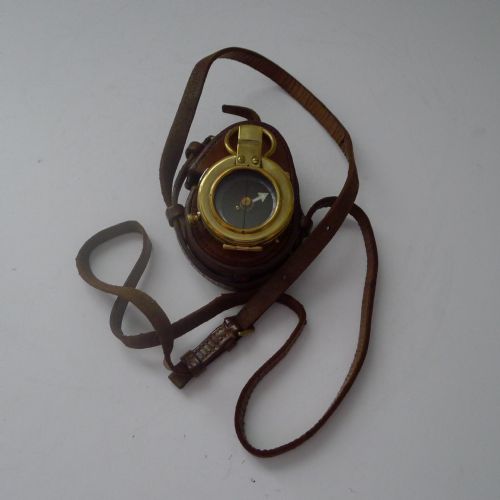
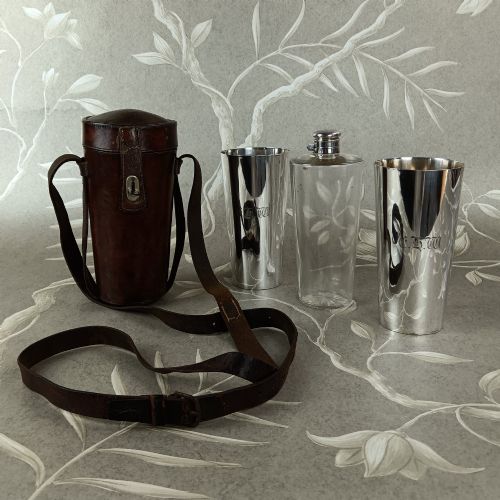
The listings here show forms ranging from leather-cased veterinary kits and apothecary sets to spirit sets, fingerprint kits, and mahogany-cased brass instruments. They reflect the practical equipment carried into the field by officers, doctors, scientists and investigators.
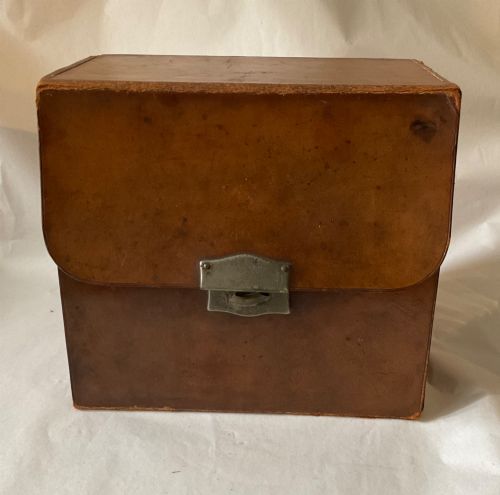
You are most likely to meet Victorian and twentieth-century military or scientific iterations, housed in robust leather, mahogany or pine. Each piece retains the specific compartments and fittings designed for its original working purpose.
Materials and construction
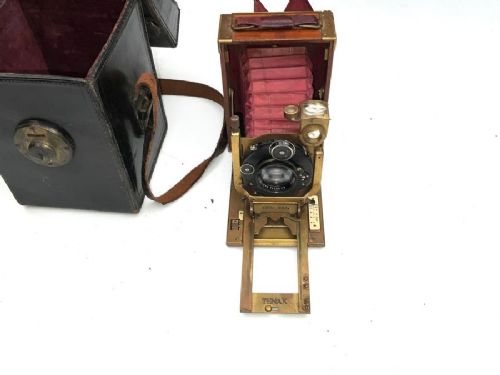
Makers built these field containers to withstand harsh travel by employing durable hardwoods like mahogany and pine, reinforced with brass corners, hinges and locks. Leather provided a tough exterior skin for portable cases, protecting fragile contents during transport.
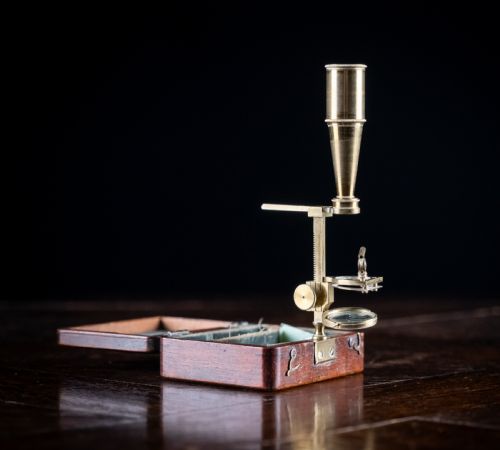
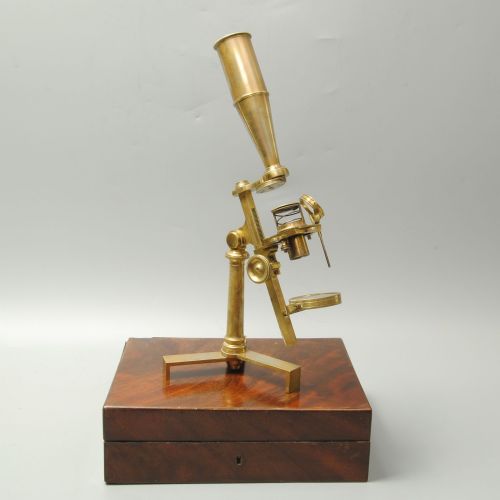
Internal fittings utilised velvet linings, shaped wooden blocks and leather straps to secure delicate scientific instruments, glass bottles and steel tools safely in place. Precision engineering governed the construction of brass compasses, spyglasses and microscopes housed within these enclosures.
Antique Field Case Retail Price Guide 2026
Typical asking prices for field case among the pieces listed under this phrase on Sellingantiques today, from the lower quarter to the upper quarter. They describe what is for sale here now, not the wider market.
The object types on record range from medical apothecary sets and fingerprint kits to military compasses and scientific microscopes.
Assessing quality and execution
Quality in a field case rests on the integration of its fitted interior and the robustness of its exterior housing. Superior examples feature seamless dovetail joinery in the timber, heavy-gauge brass hardware, and thick, well-stitched leather hides.
The sophistication of the internal contents separates standard utility pieces from exceptional items. Complete sets retaining their original glass bottles, specialised tools, and maker signatures command greater interest than stripped or altered housings.
James Dixon And Sons·French Ltd·H Hughes And Son·AC P Goerz
The Antique Field Case Glossary
- Campaign case
- A portable container designed for military officers on active service abroad. These pieces fold, stack, or break down for efficient transport.
- Apothecary case
- A fitted box containing medical bottles, scales, and ingredients for mixing remedies. They were essential for travel before pre-packaged medicines became common.
- Dovetail joinery
- An interlocking corner joint formed by precision-cut wooden pins and tails. This construction method provides exceptional tensile strength for heavy-use travelling boxes.
- Brass hardware
- Metal fittings including hinges, locks, corners, and drop handles. Solid brass resists corrosion and absorbs the knocks of transit.
Antique Field Case: Frequently Asked Questions
What is an antique field case used for?
These portable containers held specialised equipment for military officers, doctors, scientists, and police investigators working away from permanent bases. They kept delicate instruments, medicines, and tools secure and organised during transit.
Inside, you typically find fitted compartments, straps, or custom blocks designed for specific items like microscopes, spirit sets, or compasses. Their purpose was purely functional, ensuring the user had complete operational gear ready for immediate deployment.
How do I identify the period of a case?
Dating relies on construction methods, materials, and accompanying hardware such as locks and hinges. Eighteenth and early nineteenth-century examples often display fine mahogany joinery and hand-cut dovetails, while later Victorian pieces frequently employ robust leather outer shells.
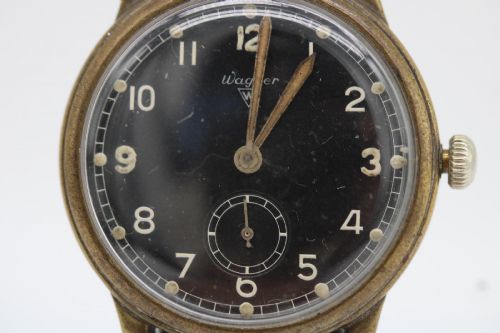
Maker marks, patent stamps, and the style of any enclosed instruments provide further chronological clues. Examining the typography on dials or labels helps narrow down whether a piece originates from the Georgian era, the world wars, or the intervening decades.
Are the instruments inside usually original?
Many surviving kits retain their original contents, though some have been assembled over time or emptied of fragile components. Scientific and medical kits often kept their specialised glass bottles and brass tools because the fitted interiors made it easy to store them correctly.
When evaluating a piece, look for consistent wear between the outer housing and the internal instruments. Matching patination across the brass, wood, and leather generally indicates a long-associated or original set of contents.
How should I care for leather and wood?
Maintenance involves keeping natural materials away from direct heat and excessive moisture to prevent warping and cracking. Leather benefits from occasional light conditioning to maintain flexibility, while wooden surfaces require only gentle dusting.
Brass fittings and instruments should be left with their natural patination rather than aggressively polished. Preserving the surface integrity maintains the historic character of the object.