





Antique Farm Decor
These antique farm decor pieces bring rural utility and pastoral charm into modern spaces through historic oil paintings, iron cart wheels, and wooden agricultural tools.
Antique Farm Decor
When you search for antique farm decor, you encounter items rooted in nineteenth and early twentieth century rural life, spanning functional tools and pastoral art. The selection bridges the gap between utilitarian agricultural objects and the fine art they inspired.
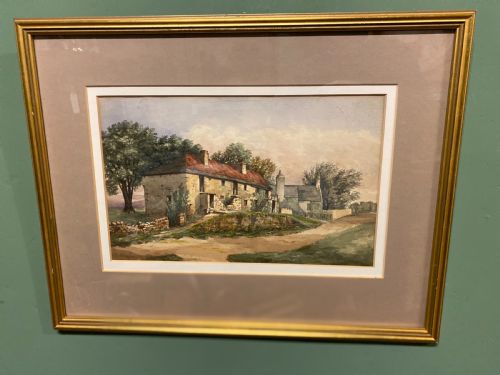
The visual side of the category appears in oil paintings and watercolours depicting farmyard scenes, working horses at troughs, poultry, and harvesting landscapes. Artists like John Frederick Herring Jnr and Edgar Hunt capture the animals and workers central to this rural aesthetic.
Materials and construction methods
The wooden objects rely on traditional turnery and carpentry using ash, beech, and oak sourced locally for agricultural strength. Benders and wheelwrights shaped these timbers to endure heavy daily use on farms and dairies.
Paintings employ oil on canvas and watercolour on paper, often framed with gesso details. Metalwork utilises wrought and cast iron to forge durable cart wheels and hardware capable of bearing heavy loads.
Antique Farm Decor Retail Price Guide 2026
Typical asking prices for farm decor among the pieces listed under this phrase on Sellingantiques today, from the lower quarter to the upper quarter. They describe what is for sale here now, not the wider market.
Materials recorded across the category include wood, canvas, gesso, paint, paper, wrought iron, oil, and ash.
Distinctions in quality
Quality in paintings rests on the fidelity of the brushwork and the anatomical accuracy of the animals, distinguishing academic skill from naive output. Works by named artists demonstrate a superior command of light and composition over anonymous studies.
In functional wooden and iron items, superior pieces retain their original surface patination and structural integrity without excessive replacement parts. The clarity of maker marks or the retention of original paint surfaces elevates an everyday tool.
The Antique Farm Decor Glossary
- Shoulder yoke
- A curved wooden device shaped to fit across the shoulders for carrying buckets or milk pails evenly. This nineteenth century dairy tool distributed weight across the back during farm chores.
- Cart wheel
- A heavy wheel featuring a wooden body and an outer iron tyre designed for horse-drawn agricultural carts. These sturdy pairings of cast iron and wood supported heavy farm transport.
- Pastoral realism
- An artistic style depicting rural life and agricultural scenes with close attention to natural detail. Painters working in this mode recorded farmyards, livestock, and field labour accurately.
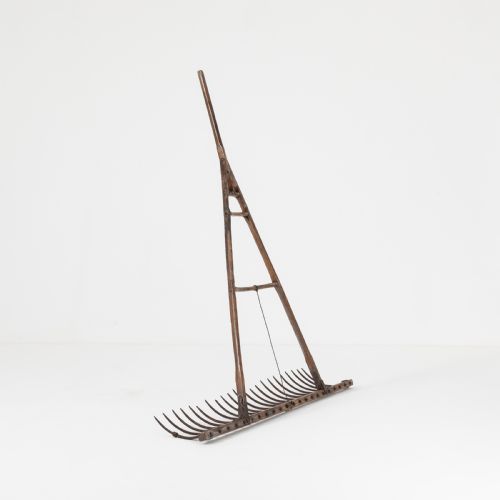
- Hay rake
- An agricultural implement pulled or dragged to gather cut hay into rows for collection. Ash examples combined lightness with the flexibility needed for manual field work.
Antique Farm Decor: Frequently Asked Questions
How do I display cart wheels indoors?
Large cast iron and wooden cart wheels work best mounted against a sturdy interior wall or positioned freestanding in a spacious hallway. Their robust materials anchor modern room schemes with authentic industrial texture.
Ensure the mounting hardware engages directly with structural studs if hanging a heavy pair. Alternatively, rest them securely on a level floor against a neutral backdrop to let the weathered grain and iron take focus.
What subjects appear in these paintings?
The canvas and watercolour works typically depict farmyard animals, working horses, poultry, and harvesting scenes in rural settings. Artists focused on horses at troughs, cockerels with chicks, and cottages nestled in the countryside.
These pastoral compositions reflect nineteenth and early twentieth century agrarian life across Britain and France. They offer a direct window into the daily rhythms of historical farming communities.
How do I care for wooden dairy yokes?
Keep wooden shoulder yokes and hay rakes away from direct heat sources and rapid humidity fluctuations to prevent timber splitting. Dust them gently with a dry, soft cloth rather than using liquid polishes.
Allow the aged patination of the ash, beech, or oak to remain untouched by modern sealants. Preserving the dry surface maintains the historical integrity of these working agricultural implements.
How do I identify a 19th-century painting?
Nineteenth-century paintings often show specific material markers such as period canvas weaves, hand-stretched wooden stretcher frames, and historic framing methods. Signatures or stylistic traits linked to Victorian rural realism offer further context.
Examine the palette and brushwork for conventions typical of the period, from mid Victorian animalier studies to early twentieth century British impressionism. Comparing the pigment handling with documented works by artists of the era helps confirm attribution.