




Antique European Cityscape Art
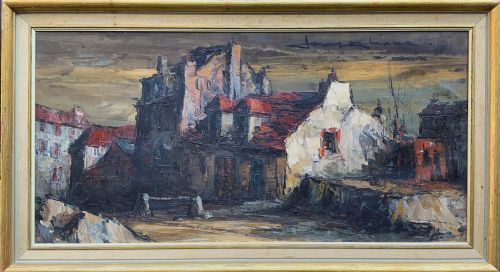
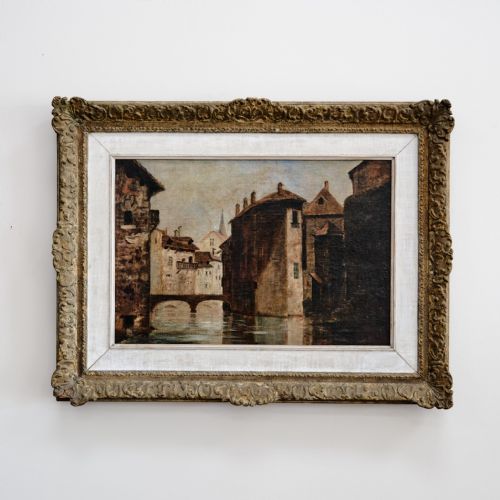
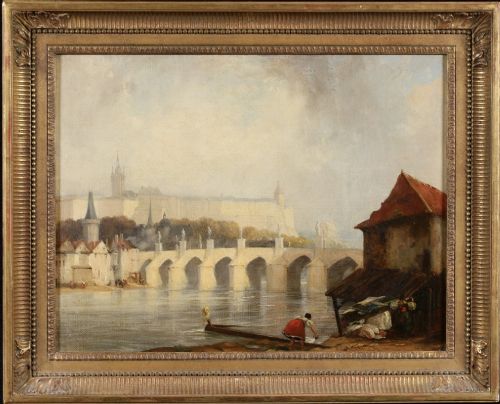
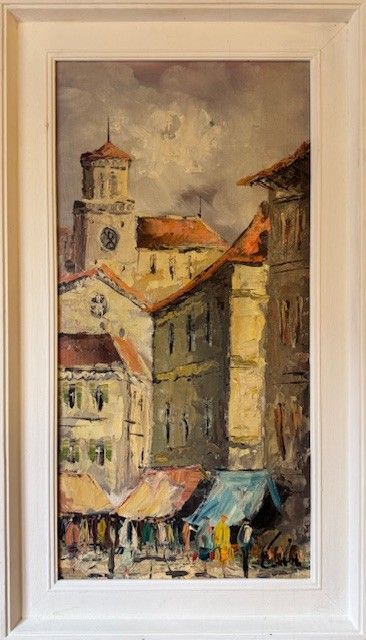
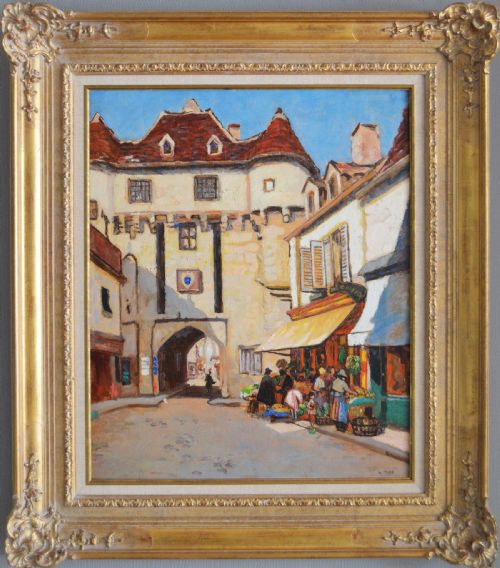
These antique European cityscape art pieces capture historic streets and ports through the brush of painters from the nineteenth and twentieth centuries.
Antique European Cityscape Art
Most pieces on this page are oil paintings on canvas or board, complemented by watercolour paintings on paper. Subjects range from grand cathedrals and bridges in Prague and Paris to bustling harbours and quiet continental towns.
Materials and Techniques
Artists painted primarily with oil paint on canvas or wooden boards, applying pigment to capture the light and atmosphere of urban spaces. Watercolours on paper provide a lighter, more fluid record of continental street scenes.
Many works retain their original frames, which incorporate wood, gesso, and gold leaf or giltwood finishes to complement the painted view.
Antique European Cityscape Art Retail Price Guide 2026
Typical asking prices for european cityscape art among the pieces listed under this phrase on Sellingantiques today, from the lower quarter to the upper quarter. They describe what is for sale here now, not the wider market.
Several artists painted historical bridges so accurately that modern historians use the canvases to track nineteenth-century stonework repairs.
Assessing Quality
Quality rests in the confidence of the brushwork and the artist's ability to command perspective, light, and architectural detail within a bustling urban composition. Stronger works convey the atmosphere and spatial depth of a specific European location rather than relying on formulaic rendering.
The integration of the painting with its period frame also influences the overall integrity of the piece, as original giltwood and gesso surrounds preserve the object's historic presentation.
Frederick Tully Lott·William George Meadows·Lewis J Wood·Noel Harry Leaver·Ludwig Hermann·Letitia Marion Hamilton
The Antique European Cityscape Art Glossary
- Cityscape
- A painting or drawing depicting urban architecture, streets, squares, and public spaces. These works focus on man-made environments rather than rural landscapes.
- Impressionism
- A nineteenth century painting style characterised by relatively small, thin yet visible brush strokes and an emphasis on accurate depiction of light. Artists working in this manner often captured fleeting moments in urban daily life.
- Giltwood
- Wood that has been covered with a thin layer of gold leaf or gold paint. This material is commonly found on the ornate antique frames housing these paintings.
- Gesso
- A paint mixture consisting of a binder mixed with chalk, gypsum, or pigment used in framing. It provides a smooth surface for subsequent gilding.
Antique European Cityscape Art: Frequently Asked Questions
How do I date an urban landscape painting?
Dating relies on stylistic evidence, costume details of any figures present, and the construction methods of the canvas support and frame.
Secondary clues include artist signatures, gallery labels, and inscriptions on the reverse of the stretcher bars.
Are these paintings original or reproduction?
The works listed are original hand-painted art from the nineteenth and twentieth centuries, executed in oil or watercolour.
Examination under magnification reveals individual brush strokes and pigment layering unique to hand-painted items.
How should I display a vintage oil painting?
Hang the artwork away from direct sunlight and fluctuating heat sources to protect the canvas, paint layers, and wooden frame.
Ensure the wall fixings match the weight of the piece and its often substantial giltwood surround.
What is the difference between an oil and a watercolour?
Oil paintings utilise pigments suspended in drying oils applied to canvas or board, offering rich texture and deep colour saturation. Watercolours use water-soluble pigments on paper, yielding a translucent and fluid quality.