



Antique Etui Case
An antique etui case is a compact holder for small personal tools, offering a glimpse into past habits of grooming and sewing.
Antique Etui Case
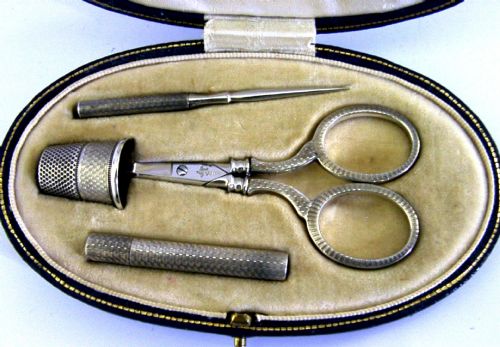
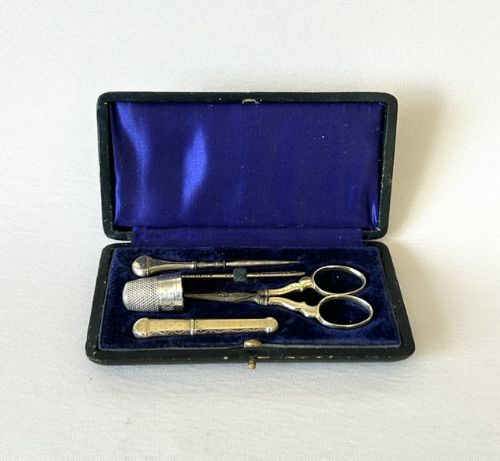
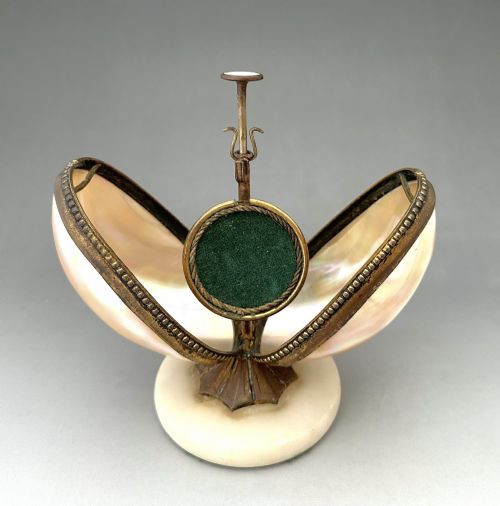
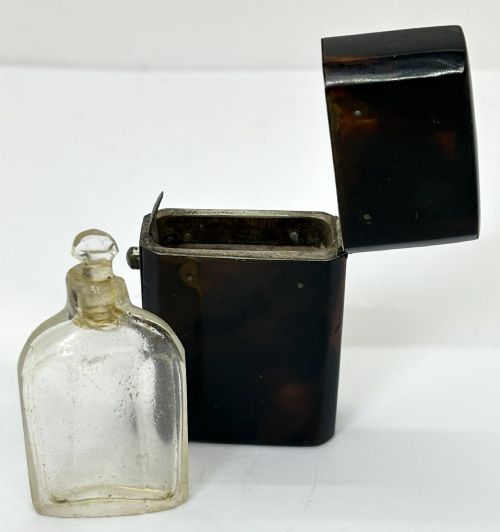
An antique etui case serves as a portable container designed to house a variety of small instruments such as bodkins, tweezers, and sewing implements. When searching for this phrase, collectors encounter forms ranging from Georgian tortoiseshell examples to later silver gilt cylinders.
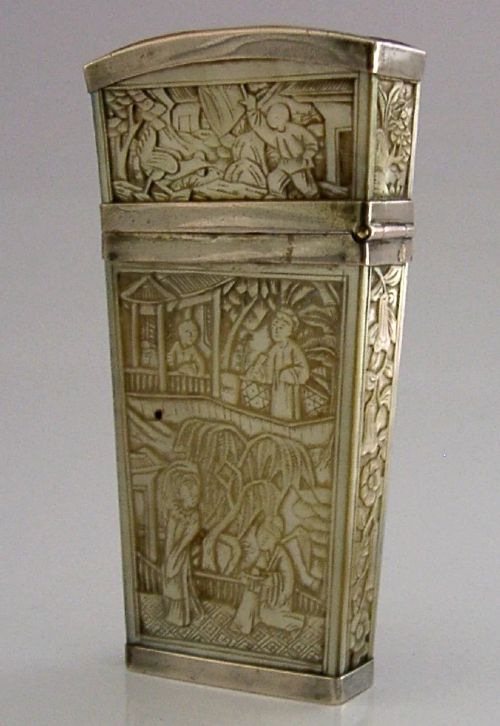
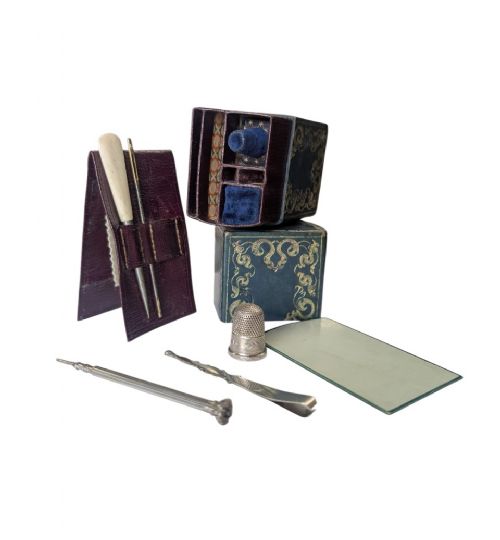
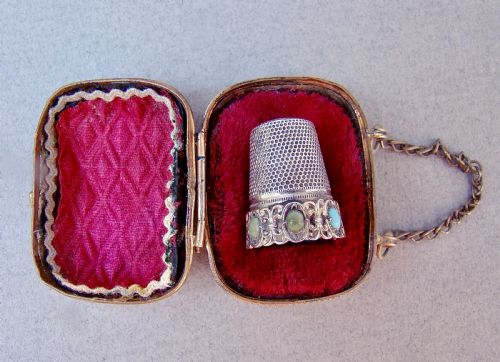
The pieces on this page span several distinct periods, including the eighteenth century, the Victorian era, and the early twentieth century. Common variations include specialised sewing boxes, scent bottle holders, and fitted chatelaine cases from French and Chinese export origins.
Makers utilised diverse materials to construct these vessels, combining function with decorative appeal. The typical antique etui case reflects the domestic and personal accessory trends of its respective period, often housing surviving original implements.
Materials and construction
Craftsmen shaped these containers from precious metals like silver and silver gilt, alongside organic materials such as bone, tortoiseshell, leather, and carved fruit wood. Surface decoration frequently incorporates engine turned guilloche designs, or mounts in ormolu and gold.
Many examples feature internal velvet or fabric linings tailored to hold specific implements securely in place. Structural integrity relies on precise fitting of lids and metal mounts, particularly in stone set and export pieces.
Antique Etui Case Retail Price Guide 2026
Typical asking prices for etui case among the pieces listed under this phrase on Sellingantiques today, from the lower quarter to the upper quarter. They describe what is for sale here now, not the wider market.
Listings feature materials spanning silver, tortoiseshell, leather, bone, velvet, and blood stone across the eighteenth and nineteenth centuries.
Evaluating quality and execution
Superior examples display crispness in metal chasing and engine turning, with precise alignment between lids and bodies. The presence of matching original internal tools distinguishes finer items from those assembled later.
Asprey·Meissen
The Antique Etui Case Glossary
- Etui
- A small ornamental case used for holding needles, cosmetics, or other minor personal articles. It typically opens to reveal fitted compartments for specific tools.
- Bodkin
- A thick, blunt needle with a large eye used for drawing tape or ribbon through a hem. They frequently appear among the fitted contents of sewing etuis.
- Guilloche
- A decorative engraving technique in which a very precise, intricate repeating pattern is mechanically etched into metal. This surface treatment appears on silver gilt and metal cases.
- Chatelaine
- A decorative belt hook or clasp worn from the waist to suspend chatelaine bags, keys, or etui cases. These items hung within easy reach for daily use.
- Ormolu
- Gilded bronze or brass applied as a mount on decorative boxes, furniture, and etuis. The technique provides a bright, gold-coloured metallic finish.
Antique Etui Case: Frequently Asked Questions
What tools belong inside an etui case?
These vessels typically contained small personal implements required for sewing, grooming, or writing. Common contents include bodkins, small scissors, tweezers, and folding knives.
Each tool fit snugly into a tailored slot within the velvet or leather lining of the box.
How do I date an antique etui case?
Dating relies on material trends, hallmarks, and stylistic markers such as Rococo scrolls or Victorian proportions. Eighteenth-century pieces often feature natural materials like tortoiseshell and gold mounts.
Later Victorian and Edwardian examples shift toward silver gilt, engine turning, and fitted leather structures.
Were these cases meant for travel?
Most etui cases were designed for portable personal use by individuals of means. They allowed owners to carry essential sewing or grooming tools during travel or social visits.
Some versions attached directly to a chatelaine worn at the waist.
How should I clean silver mounts?
Silver mounts require gentle dusting with a soft cloth to preserve the underlying metal and any surrounding organic materials. Aggressive polishing risks removing thin layers of silver gilt.
Special care must be taken to avoid exposing tortoiseshell, velvet, or stone surfaces to liquid cleaners.