








Antique Entrance Hardware
Antique entrance hardware brings character to a doorway through solid brass, bronze, and cast iron forged across Georgian, Victorian, and Art Deco periods.
Antique Entrance Hardware
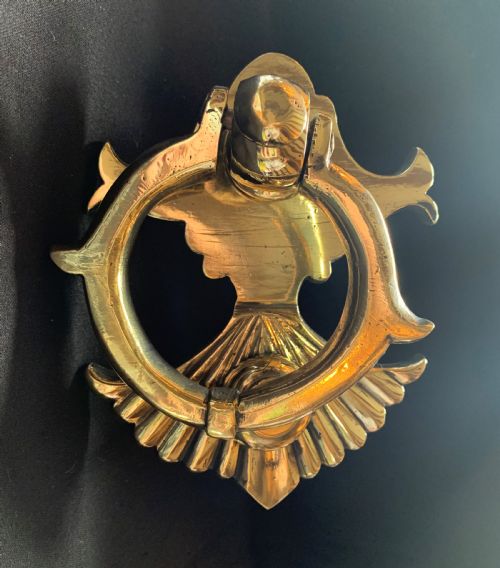
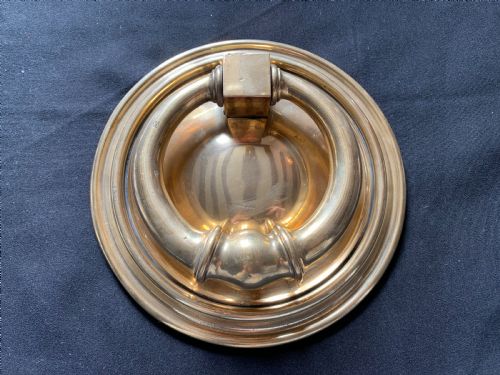
When searching for antique entrance hardware, you are looking at functional architectural elements designed to furnish front doors, including door knockers, handles, and bell pulls. The items on this page span several centuries, running from the Georgian and Victorian eras through to Edwardian, Art Deco, and mid-twentieth-century designs.
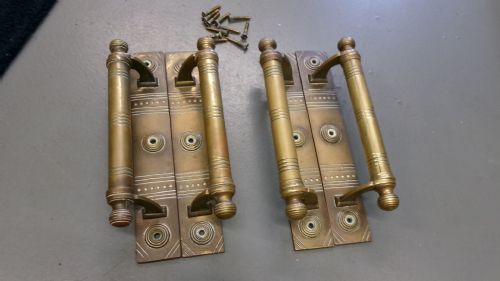
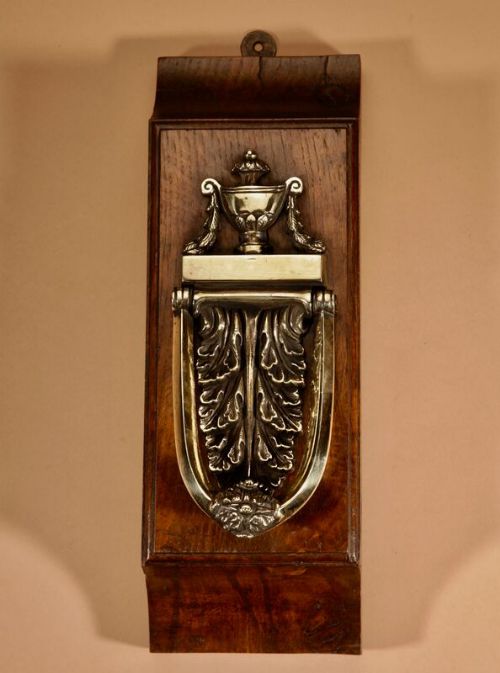
You are most likely to encounter brass and bronze door knockers and handles on this page, often reflecting specific regional styles such as French Art Deco ballroom pulls or Continental Louis Seize motifs. Other notable forms include maritime anchor knockers, classic doctors' knockers, and cast iron pieces from the first half of the nineteenth century.
The objects combine utility with ornament, transforming a simple point of entry into a substantial architectural statement. Whether you examine a pair of Arts and Crafts brass handles or a cast iron knocker bearing Wellington interest, these pieces demonstrate how historical hardware was built to endure.
How antique entrance hardware was made
The manufacture of these pieces relies heavily on metal casting, using brass, solid brass, bronze, polished bronze, and cast iron to achieve durable structural forms. Molten metal was poured into moulds to create heavy-gauge plates, intricate knockers, and robust door handles.
Secondary materials such as crystal occasionally appear paired with bronze on larger pull handles, adding textural contrast to the metalwork. Artisans finished these pieces through polishing, filing, and hand-finishing, resulting in the distinct surfaces seen on Victorian and Art Deco hardware.
Antique Entrance Hardware Retail Price Guide 2026
Typical asking prices for entrance hardware among the pieces listed under this phrase on Sellingantiques today, from the lower quarter to the upper quarter. They describe what is for sale here now, not the wider market.
What varies in quality
The quality of entrance hardware rests on the weight of the metal and the crispness of the casting detail. Heavy-gauge brass and substantial bronze castings provide a tactile solidity that lighter, later reproductions fail to match.
Design execution separates standard hardware from exceptional pieces, such as finely modelled hand-shaped knockers or complex French ballroom pulls. The integrity of the original mountings, backplates, and striking studs also influences the overall standard of a piece.
The Antique Entrance Hardware Glossary
- Door Knocker
- A hinged metal device mounted to an exterior door for visitors to strike against a backplate. These range from simple geometric rings to figural designs shaped like anchors, hands, or dolphins.
- Bell Pull
- A mechanical handle connected to an interior bell system by a wire or rod, commonly utilised in Georgian and Victorian townhouses before the widespread adoption of electrical buzzers.
- Art Deco
- A design style emerging in the early twentieth century characterised by streamlined geometric forms, stylised motifs, and symmetrical patterns, as seen in bronze and crystal ballroom pull handles.
- Georgian
- A period spanning the eighteenth and early nineteenth centuries noted for classical symmetry, restrained ornamentation, and proportioned brass hardware.
- Louis Seize Style
- A neoclassical French revival style incorporating classical architectural details, urns, ribbons, and symmetrical leaf motifs often replicated in continental brass knockers.
Antique Entrance Hardware: Frequently Asked Questions
How do I clean antique brass?
Clean brass gently with warm soapy water and a soft cloth to preserve the accumulated patina and age of the metal.
Avoid harsh chemical abrasives or excessive polishing that strips away the historical surface character.
Are these door knockers still functional?
Most solid brass, bronze, and cast iron knockers and handles remain structurally robust enough for daily use on modern front doors.
Check the fixing points and spindle sizes to ensure compatibility with your existing door thickness.
What is a doctors knocker?
A doctors knocker is a specific brass door knocker design featuring a pivot bar across the middle, traditionally fitted to medical practitioners' doors so patients could summon attention.
These large solid brass knockers became a recognised architectural typology in the nineteenth and twentieth centuries.
How do I date antique hardware?
Dating relies on identifying stylistic markers such as Victorian relief work, Art Deco geometry, or Georgian symmetry alongside casting methods.
Heavier metal gauges and hand-finished details typically point towards nineteenth-century or earlier manufacturing traditions.