





Antique English Porcelain Trio
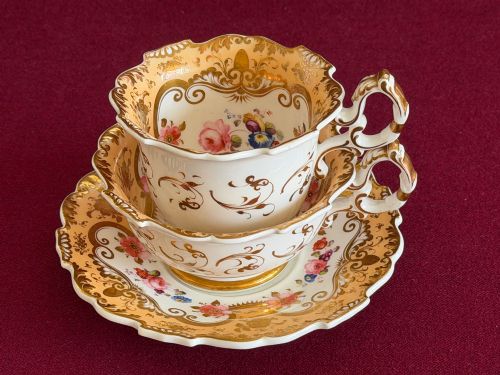
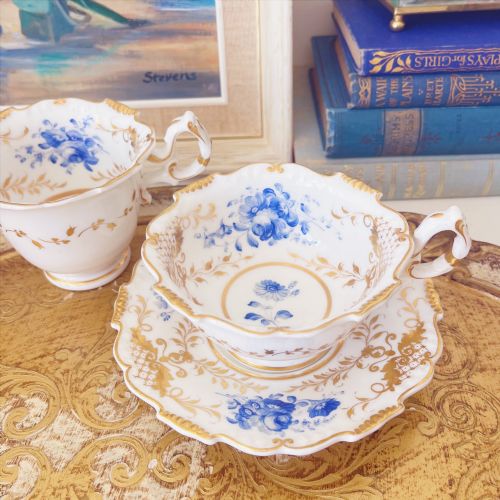
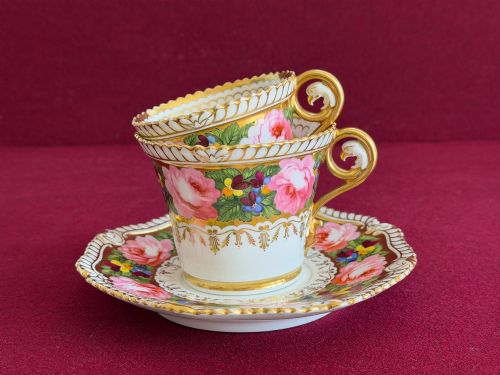
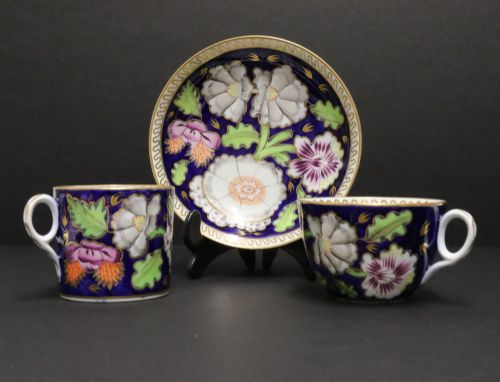
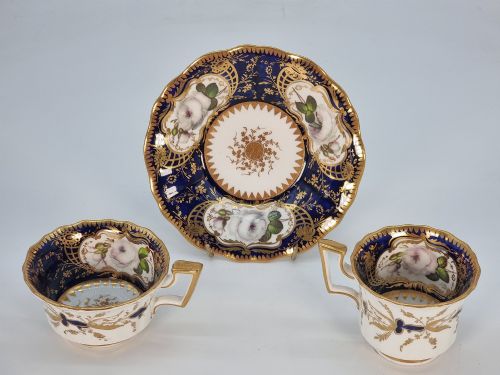
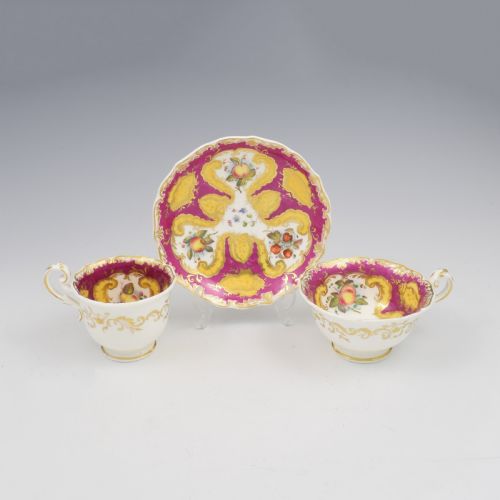
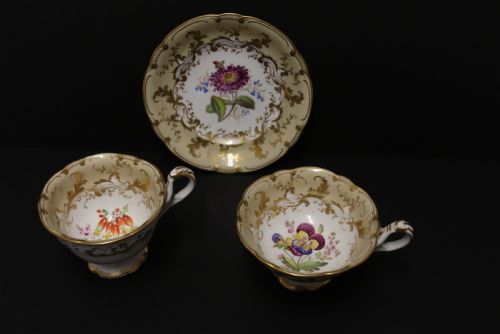
An antique english porcelain trio brings together a teacup, a coffee cup and a saucer from the eighteenth, nineteenth and early twentieth centuries for your table.
Antique English Porcelain Trio
An antique english porcelain trio comprises a matched set of three pieces for social tea and coffee drinking, usually consisting of a teacup, a coffee cup and a saucer. The form appears across the eighteenth century, the regency period, the nineteenth century and into the nineteen hundreds.
The versions you meet most often on this page belong to the regency and nineteenth century periods, taking the shape of cabinet trios and teacup sets. Makers such as coalport, spode, h and r daniel, chamberlain worcester and minton produced these sets for polite domestic use.
Object types stretch from standard teacups and saucers to tea and coffee services, incorporating bone china and porcelain. You will find styles spanning georgian, regency, edwardian and art deco eras.
Materials and methods
These pieces utilise porcelain and bone china as their primary body materials, shaped into delicate cups and saucers for daily or cabinet use. Workshops applied enamel glaze to create smooth surfaces ready for handpainted decoration.
Makers embellished the porcelain with gilding, gold leaf and gilt details to catch the candlelight in formal drawing rooms. Artisans combined handpainting with enamel colours to render floral, fruit and exotic animal patterns across the three pieces.
Antique English Porcelain Trio Retail Price Guide 2026
Typical asking prices for english porcelain trio among the pieces listed under this phrase on Sellingantiques today, from the lower quarter to the upper quarter. They describe what is for sale here now, not the wider market.
Listings feature periods spanning from the eighteenth century through nineteenth century regency and edwardian eras up to nineteen thirty.
Judging quality
Quality rests in the crispness of the porcelain body and the precision of the handpainted details applied by the factory painters. Superior sets display clean potting, even glaze application and secure application of gold leaf or gilding.
The finesse of the handle moulding and the alignment of the pattern across the teacup, coffee cup and saucer separate standard production from finer cabinet trios. Makers who achieved balanced proportions and vibrant enamels produced sets that retain their visual clarity.
H and R Daniel·Chamberlain Worcester·Newhall porcelain·Coalport John Rose·Derby porcelain·Royal Worcester·Minton·Spode·Davenport·Gladstone potteries
The Antique English Porcelain Trio Glossary
- Trio
- A set of three matching ceramic pieces comprising a teacup, a coffee cup and a saucer. This grouping became popular for serving both tea and coffee at the same sitting.
- Cabinet trio
- A display set intended for exhibition in a china cabinet rather than active dining use. These pieces often feature finer handpainting and more generous gilding.
- Bone china
- A type of soft-paste porcelain containing bone ash, producing a strong, slightly translucent body. It allows for thinner walls while maintaining structural durability.
- Enamel glaze
- A vitreous coating fused to the porcelain body to provide a smooth, glossy finish. It protects the painted decoration beneath or beneath a secondary layer of pigment.
- Gilding
- The application of gold leaf or gold paint to the rims, handles and borders of the porcelain. This decorative touch signals a higher grade of manufacture.
Antique English Porcelain Trio: Frequently Asked Questions
What is an antique english porcelain trio?
An antique english porcelain trio is a matched set of three drinking vessels designed for social gatherings, featuring a teacup, a coffee cup and a saucer.
These sets date from the eighteenth century through to the early twentieth century, reflecting shifting tastes in domestic ceramics.
How were these trios used historically?
Hosts utilised these sets in the drawing room to serve both tea and coffee to guests during formal visits and afternoon calls.
Cabinet trios were often reserved for display in glazed furniture rather than everyday dining, preserving their delicate handpainted surfaces.
How do I care for my trio?
Wash your porcelain trio by hand in warm water using a mild detergent, avoiding dishwashers that can damage fragile gilding and enamel.
Store the pieces securely with soft separators between the cup and saucer to prevent scratching the glaze.
How do I identify the period?
Examine the shape of the handles, the thickness of the porcelain body and any painted or impressed factory marks on the underside.
Stylistic cues such as regency forms or edwardian blush ivory decoration provide reliable clues to the date of manufacture.