



Antique English Jewellery
Antique english jewellery spans delicate Georgian brooches, Victorian gold rings, and silver pieces from the Edwardian and Art Deco decades.
Antique English Jewellery
Antique english jewellery encompasses personal adornments such as rings, brooches, bracelets, and pendant necklaces originating from various historical periods. The selection on this page frequently includes Victorian gold rings, Edwardian silver pieces, and Art Deco cufflinks.
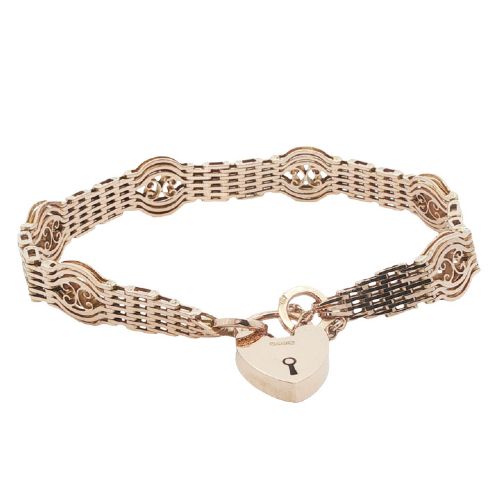
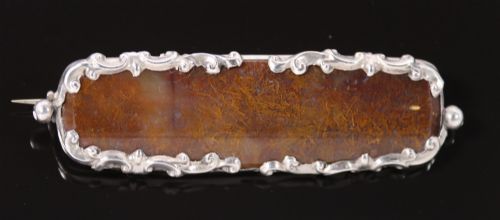
Makers and designers from the nineteenth and early twentieth centuries produced these items using precious metals and stones. Pieces range from mourning brooches set with moss agate to gold gate bracelets featuring heart padlocks.
How they were made
Craftsmen utilised gold, sterling silver, and brass to form the structural mounts and settings for rings, brooches, and bracelets. Gemstones such as sapphires, diamonds, amethysts, and pearls were then set directly into the metal.
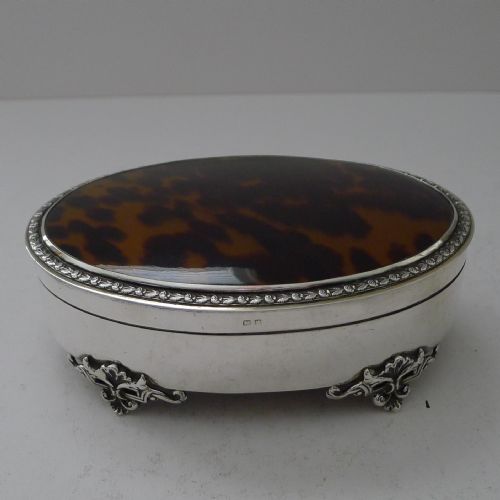
Enamelling techniques added colour to silver and gold surfaces, particularly during the Arts and Crafts and Art Deco periods. Artisans also combined precious metals with materials like tortoiseshell and enamel.
Antique English Jewellery Retail Price Guide 2026
Typical asking prices for english jewellery among the pieces listed under this phrase on Sellingantiques today, from the lower quarter to the upper quarter. They describe what is for sale here now, not the wider market.
An otter foot hunting trophy brooch from Devon demonstrates the varied subjects preserved in period metalwork.
What varies in quality
The standard of workmanship in antique english jewellery depends on the precision of the metalwork, the clarity of the hallmarks, and the security of stone settings. Finer examples display crisp engraving and well-matched gemstones.
Design complexity and the preservation of delicate enamel or integrated clasps also differentiate pieces. Items retaining their original fitted elements or maker marks demonstrate greater execution.
Mappin & Webb·Edmund Nye·Payton Pepper & Co
The Antique English Jewellery Glossary
- Hallmark
- A stamp or series of marks applied to precious metals indicating purity, origin, and assay office. These marks assist in dating silver and gold items.
- Gate bracelet
- A flexible bracelet constructed from linked metal bars resembling a garden gate, frequently fastened with a padlock. This form is common in Victorian and Edwardian jewellery.
- Mourning jewellery
- Pieces created to commemorate a deceased person, often featuring jet, hairwork, or dark stones. Victorian examples record specific dates and names.
- Pendant
- An ornamental piece suspended from a necklace or chain. These items often incorporate enamel work or central gemstones.
- Padlock clasp
- A functional heart-shaped lock used as a secure fastening on bracelets and chains.
Antique English Jewellery: Frequently Asked Questions
How do I date antique english jewellery?
Dating relies on stylistic markers, materials, and official hallmarks stamped onto the precious metals. Examining the construction techniques and fastening types also provides clues to the era.
Specific periods like the Victorian or Edwardian eras introduced distinct design motifs that help narrow down the year of creation.
What metals were used in antique english jewellery?
Goldsmiths and silversmiths utilised sterling silver and various grades of gold, including nine-carat and eighteen-carat varieties. Base metals like brass also appear in specific accessory items.
These materials often bear stamps or hallmarks that verify their composition and origin.
How should I store antique jewellery?
Keeping pieces in lined boxes or dedicated compartments prevents scratching and limits exposure to moisture. Storing items separately protects delicate enamel and gemstone settings from impact.
Proper environmental conditions help preserve the integrity of both the metal and any organic materials used in construction.