



Antique Enfilade Cabinet
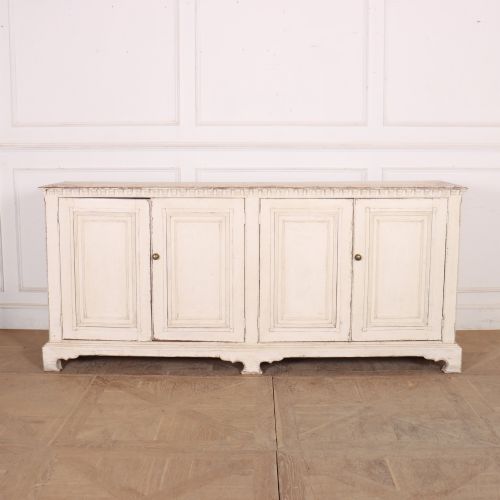
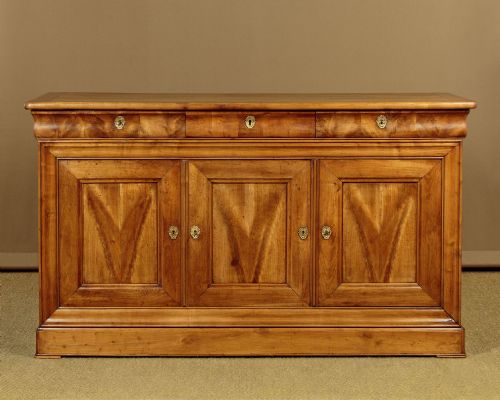
An antique enfilade cabinet offers substantial linear storage and surface space, bringing French provincial character and refined proportion to a large dining room.
Antique Enfilade Cabinet
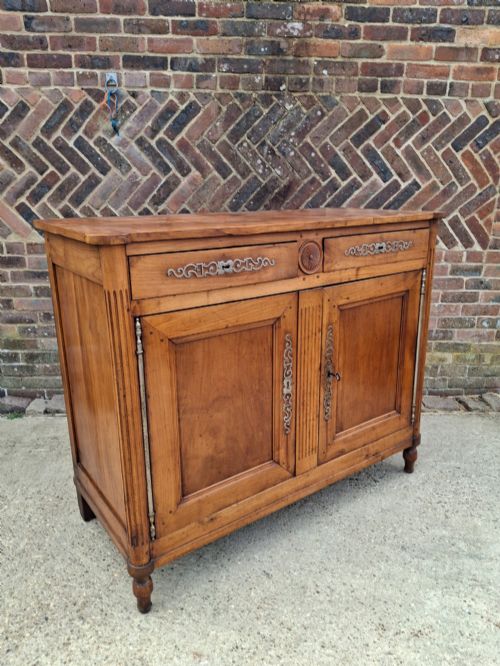
An antique enfilade cabinet represents a long, low storage piece originating in France, traditionally designed to hold dining linen, cutlery and silver. On this page, buyers primarily encounter regional French forms executed in solid timbers such as oak, cherrywood and walnut.
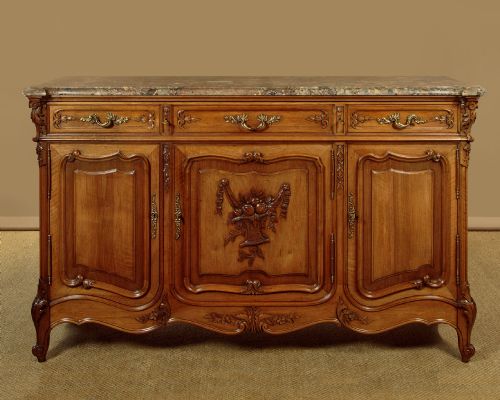
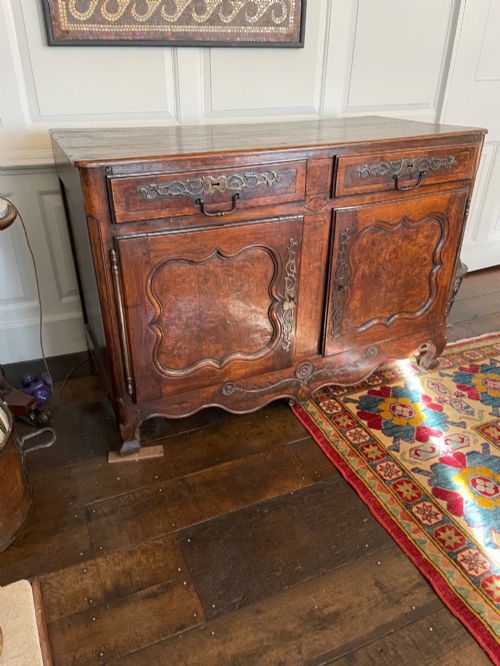
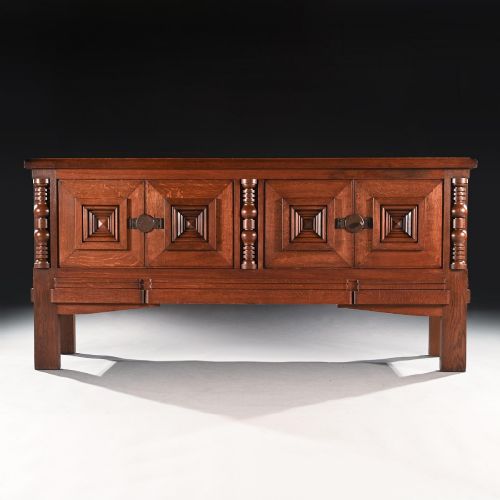
The selection spans from eighteenth-century provincial pieces through to twentieth-century revivals like Art Deco and Louis XV style. Many examples feature multiple doors and long timber or marble tops suited to modern living spaces.
Makers adapted these cabinets across various periods, incorporating regional carving, parquetry tops and marble surfaces. The core function remains a low, wide sideboard providing generous interior capacity alongside a grand surface display.
How they were made
Cabinet makers constructed these pieces using dense regional timbers including oak, cherrywood, walnut and chestnut, joined with traditional frame and panel techniques. Timber selection dictated both the structural integrity and the richness of the final surface grain.
Surface decoration involved hand carving, intricate marquetry inlay, and parquetry top construction. Many pieces incorporated brass mounts, iron hardware, and fitted marble tops sourced to provide durable and decorative working surfaces.
Antique Enfilade Cabinet Retail Price Guide 2026
Typical asking prices for enfilade cabinet among the pieces listed under this phrase on Sellingantiques today, from the lower quarter to the upper quarter. They describe what is for sale here now, not the wider market.
Some provincial cabinets smell faintly of old beeswax and cherry wood, carrying the quiet atmosphere of French country kitchens across the centuries.
What varies in quality
Quality differentiates through the choice of timber and the precision of the joinery rather than mere age. Pieces featuring burr elm, burr ash, or figured walnut display a higher grade of material selection than standard domestic grain.
The refinement of hand-carved panels, the crispness of parquetry or marquetry inlay, and the integration of original brass and iron hardware determine the finer tier of manufacture. Integrated marble tops and balanced proportions across multiple doors further elevate the standard of a piece.
The Antique Enfilade Cabinet Glossary
- Enfilade
- A long sideboard or cabinet designed with a sequence of doors in a single unbroken line. This form provides extended storage and a wide surface.
- Marquetry
- The art of applying small pieces of veneer to a structure to form decorative patterns and pictures. Craftsmen used various woods to create tonal contrast on door panels.
- Parquetry
- Geometric mosaic woodwork used for decorative floors and cabinet tops. Carpenters arranged small wooden blocks in repeating patterns.
- Serpentine
- A furniture shape featuring a wave-like front contour with a convex centre flanked by concave curves. This line adds fluid movement to heavy timber cabinets.
- Provincial
- Denoting regional furniture made outside metropolitan centres, often displaying local timber choices and rustic carving styles. These pieces reflect distinct rural traditions.
Antique Enfilade Cabinet: Frequently Asked Questions
What is an enfilade cabinet?
An enfilade is a long, low storage unit traditionally used in French dining rooms for serving food and storing tableware.
Its extended horizontal format provides multiple doors and a broad top surface distinct from standard tall cupboards.
How do I use an enfilade at home?
These cabinets serve as principal sideboards in dining rooms or long credenzas in spacious living areas and hallways.
The deep interior cupboards accommodate crockery and linens while the long top surface supports lamps and decorative objects.
How do I date an antique enfilade?
Dating relies on examining the timber species, construction methods, hardware, and stylistic details like Louis XV revival motifs or Art Deco geometry.
Eighteenth-century examples often feature hand-carved chestnut or oak, whereas twentieth-century pieces may incorporate exotic veneers and marble tops.
Are these cabinets heavy?
Enfilades are built from solid hardwoods like oak, walnut, and cherry, often combined with marble tops, making them substantial pieces of furniture.
Their length and solid timber construction require adequate clearance and careful placement during room layout.