





Antique Enamel Vanity Accessories
Antique enamel vanity accessories bring brilliant colour and polished metal to dressing tables through pieces ranging from Georgian patch boxes to Art Deco atomizers.
Antique Enamel Vanity Accessories
When searching for antique enamel vanity accessories, a buyer encounters dressing table items designed for personal grooming and decoration. These range from small containers for cosmetics to implements used on a daily basis.
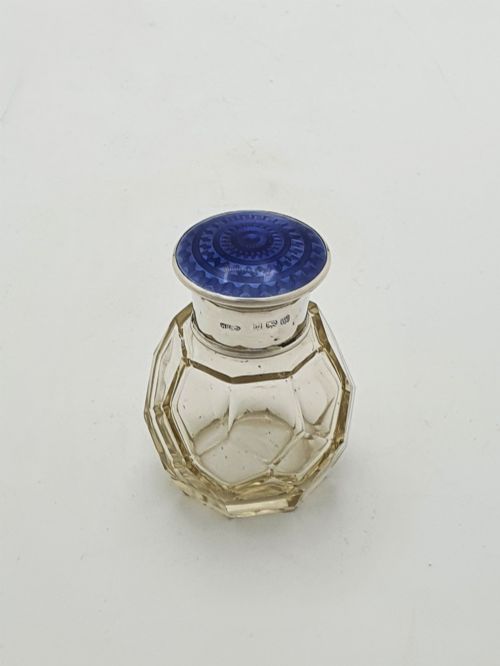
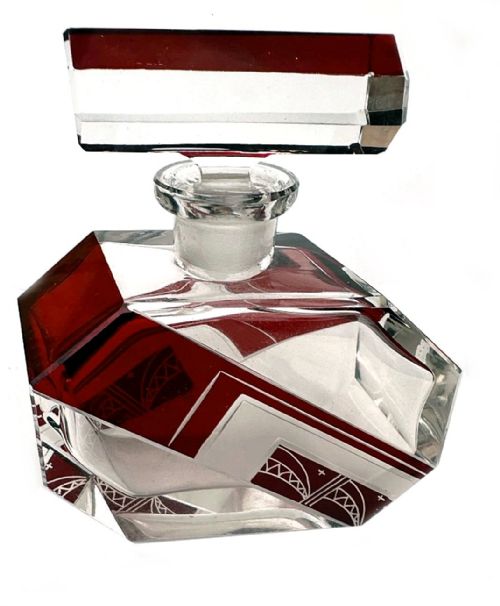
The pieces on this page lean heavily towards the twentieth century, with numerous Art Deco examples appearing alongside older items. Perfume bottles, scent bottles, hand mirrors, and dressing table jars dominate the selection.
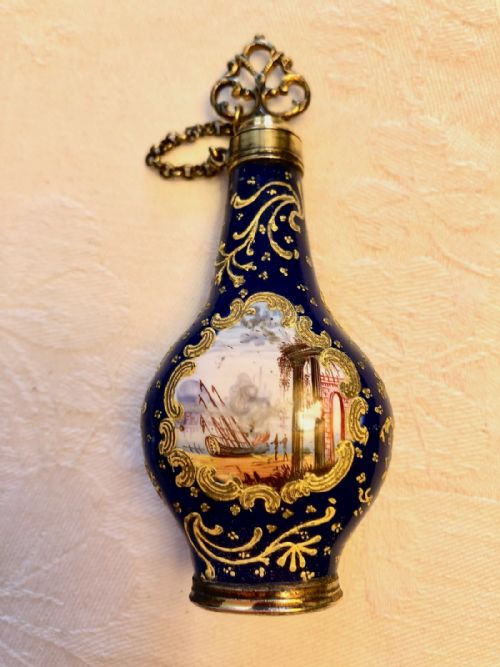
Earlier pieces also surface, represented by eighteenth century and Georgian items such as patch boxes and small scent bottles. These older examples offer a distinct contrast in form and manufacture to the later twentieth century designs.
How they were made
Makers combined glass, sterling silver, copper, brass, and gilt metal to build the structure of these items. Cut glass and moulded glass form the bodies of many perfume bottles and jars, paired with metal mounts and lids.
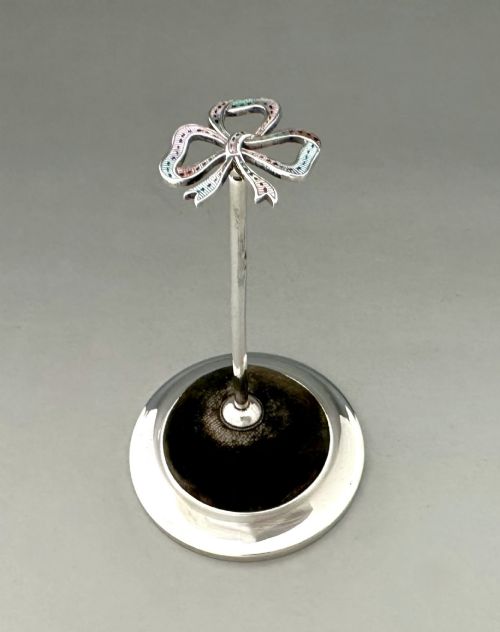
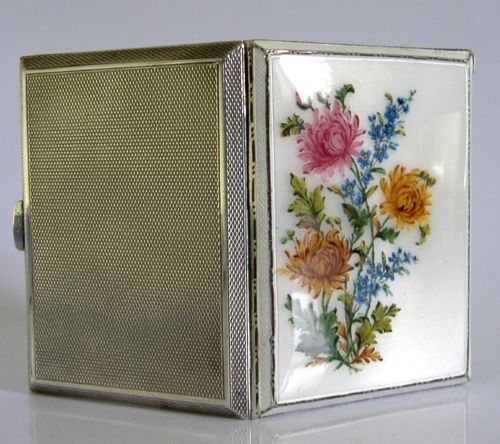
Vitreous enamel and guilloche enamel provide the coloured decorative surfaces seen across the pieces. Artisans also applied hand painted scenes and floral motifs directly onto the enamel grounds.
Metals such as sterling silver received hallmarks indicating city and year of production, while copper served as the base for earlier dipped enamel items like patch boxes.
Antique Enamel Vanity Accessories Retail Price Guide 2026
Typical asking prices for enamel vanity accessories among the pieces listed under this phrase on Sellingantiques today, from the lower quarter to the upper quarter. They describe what is for sale here now, not the wider market.
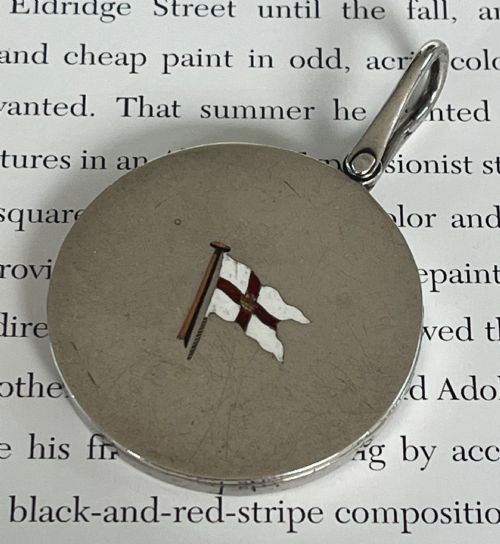
A travel clock case disguised as a pocket watch lets an owner keep track of time while powdering their nose on the move.
What varies in quality
The fineness of the hand painting and the precision of the guilloche engine turning separate standard items from superior examples. Crisp geometric patterns under translucent enamel require high skill to execute without distortion.
The integration between glass bodies and metal collars demonstrates the maker's care in assembly. Weight in the silver mounts and clarity in the cut glass vessels also signal better production standards.
Karl Palda·Henry Perkins
The Antique Enamel Vanity Accessories Glossary
- Guilloche
- A decorative engraving technique producing precise, intricate geometric patterns beneath a transparent layer of enamel. It appears frequently on Art Deco compacts and mirrors.
- Patch box
- A small container used in the eighteenth century to hold cosmetic patches made of silk or velvet. These boxes often feature hinged lids with hand painted enamel scenes.
- Sterling silver
- An alloy of silver containing ninety-two point five percent silver by mass, frequently used for the frames, lids, and mounts of vanity items. It provides durability and a bright finish.
- Atomizer
- A mechanical spray bottle designed to diffuse liquid perfume into a fine mist. Art Deco examples often pair coloured glass bodies with metal pump mechanisms.
Antique Enamel Vanity Accessories: Frequently Asked Questions
What are antique enamel vanity accessories?
These items are functional and decorative objects used for personal grooming on a dressing table. They include perfume bottles, hand mirrors, powder compacts, and small cosmetic boxes.
Most pieces date from the early twentieth century Art Deco period, though eighteenth century examples also appear. They combine metals and glass with colourful enamel decoration.
How do I date a piece?
Silver components often bear hallmarks that state the assay office, city, and year of manufacture. Stylistic indicators like Art Deco geometry or Georgian hand painting help narrow down the period.
Materials and construction methods also provide clues, as twentieth century manufacturing differs significantly from eighteenth century techniques.
How should I clean them?
Enamel surfaces require gentle care with a soft, dry cloth to remove dust. Moisture can damage old adhesives or tarnish exposed metal mounts if left in contact.
Harsh chemical cleaners must be avoided entirely, as they strip the glossy finish from both the enamel and the glass bodies.
How were scent bottles used?
These vessels held liquid fragrances and perfumes for daily application at the dressing table or for travel. Stoppers and screw caps prevented evaporation of the contents.
Some bottles doubled as decorative objects displayed openly on vanity trays alongside matching jars and mirrors.