






Antique Electric Lamp
An antique electric lamp brings the warmth of past craftsmanship into a modern room, offering transformed oil reservoirs and stately metal columns that anchor an interior.
Antique Electric Lamp
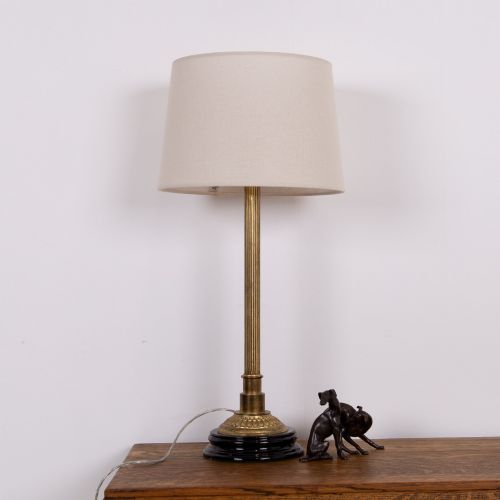
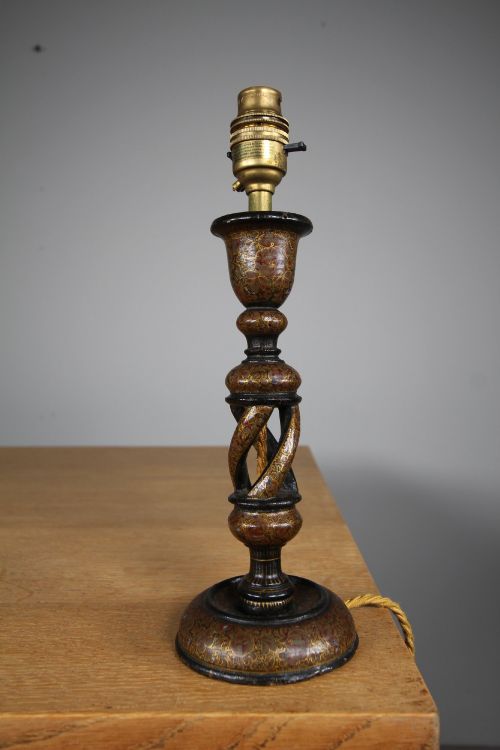
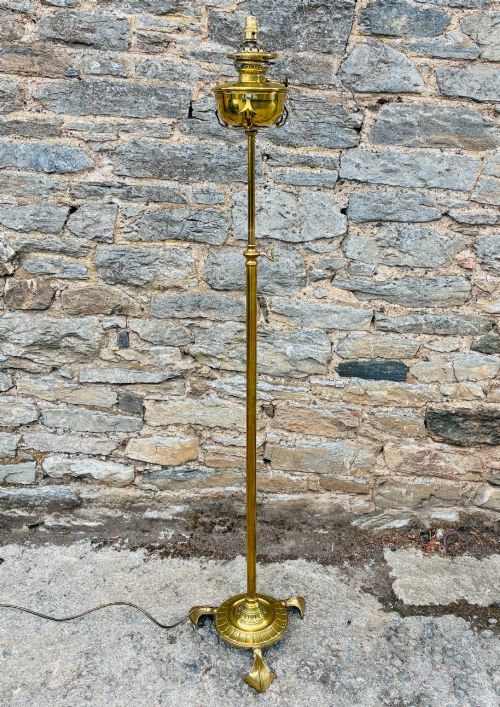
When you search for an antique electric lamp, you encounter a diverse array of lighting solutions spanning the Victorian, Edwardian, and Art Deco eras. These fixtures range from converted nineteenth-century oil lamps and candlesticks to pieces originally built during the early twentieth century.
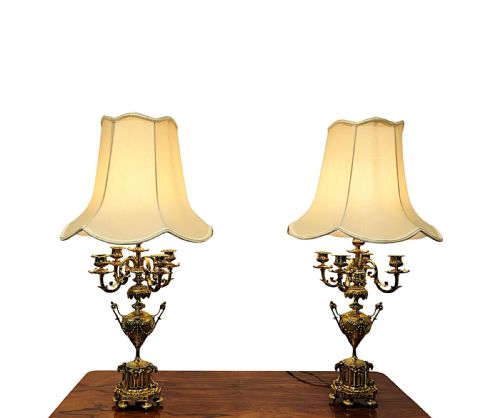
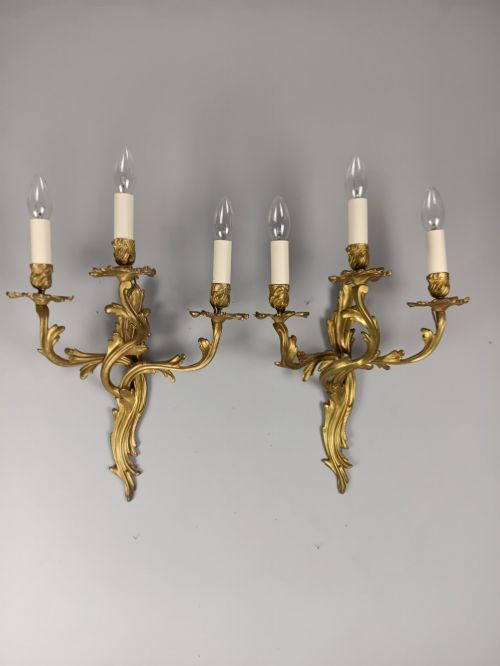
Origins stretch across English, French, and Asian aesthetics, incorporating Japanese Satsuma porcelain, Chinese hardwood, and French ormolu. Buyers often meet classic Corinthian column designs alongside more fluid Art Nouveau and geometric Art Deco forms.
Materials and Construction Techniques
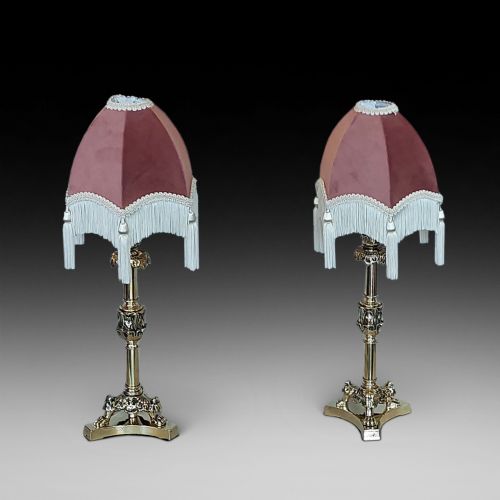
Makers utilised durable metals such as brass, bronze, copper, and wrought iron as structural foundations, frequently applying gilt, silver plating, or ormolu to enrich the surfaces. These heavy metal bases ensured stability for taller table models and multi-branched candelabra.
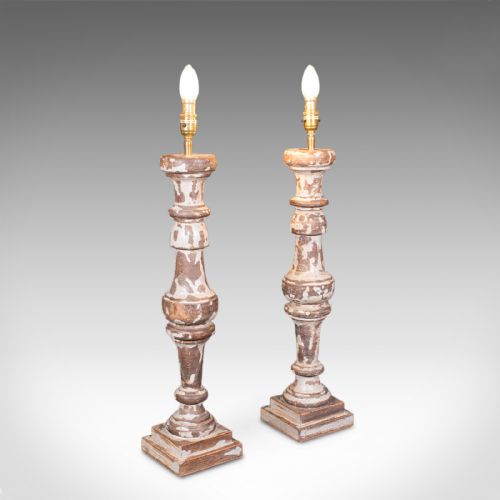
Porcelain, glass, marble, and hardwood frequently appeared as central shafts or bodies, paired with fabric shades and enamelled glass elements. The physical transformation from oil fuel to electricity involved adapting existing burners, fonts, and reservoirs to house modern internal wiring.
Antique Electric Lamp Retail Price Guide 2026
Typical asking prices for electric lamp among the pieces listed under this phrase on Sellingantiques today, from the lower quarter to the upper quarter. They describe what is for sale here now, not the wider market.
Gilt bronze putti cling to table lamp bases, seemingly unaware they are illuminating a twenty-first-century reading nook.
Distinctions in Quality
The finest examples display crisp casting and chasing in metalwork, where floral motifs, acanthus leaves, and figural details remain sharp rather than blurred by excessive polishing. Heavier gauge brass, substantial silver plating, and dense ormolu separate superior output from lighter, utilitarian productions.
Integrity of conversion work and retention of original components dictate the character of adapted pieces. Items that preserve their original porcelain bodies, hand-cut crystal drops, or signed maker details without intrusive structural alterations hold greater physical coherence.
WAS Benson·Walter Latham & Son
The Antique Electric Lamp Glossary
- Ormolu
- Gilt bronze ornamentation applied to furniture and lighting fixtures. This technique uses a mercury-gilding process common in nineteenth-century French workshops.
- Corinthian Column
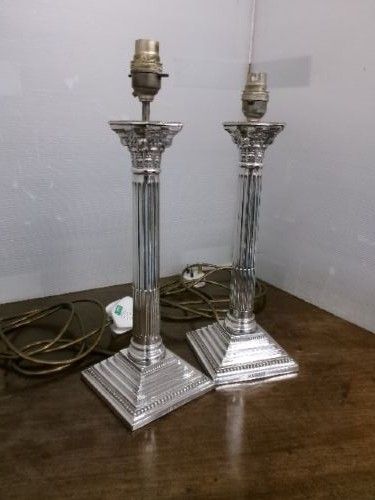
- A classical architectural column design featuring ornate capital leaves. This form frequently serves as the upright stem for silver-plated and brass table lamps.
- Conversion
- The alteration of an older lighting device, such as an oil lamp or candlestick, to accept electrical wiring. This process adapts fuel fonts and burners into lamp holders.
- Candelabra
- A branched candlestick holder designed to support multiple light sources. In later contexts, these objects frequently undergo wiring to function as electrical table lamps or wall sconces.
- Spelter
- A zinc alloy used as a cheaper substitute for bronze in decorative figures and lamp bases. It takes patination well to resemble heavier metals.
Antique Electric Lamp: Frequently Asked Questions
How are old oil lamps converted to electricity?
Conversion typically involves running a discreet electrical cord through the original burner mechanism, oil font, or hollow stem of the lamp. The internal components are replaced with modern lamp holders while preserving the exterior historic body.
This method allows fragile porcelain, glass, or heavy metal reservoirs to serve a practical domestic purpose today without losing their visual integrity.
Can I use standard modern lightbulbs?
Most antique electric lamp holders accommodate standard modern screw or bayonet bulbs, provided the wattage matches the capacity of the wiring. It is advisable to consult a professional electrician to verify that older sockets meet current safety standards.
Using low-heat LED bulbs also helps protect delicate fabric shades, painted glass, and historic materials from thermal damage over prolonged periods.
How do I identify a Victorian lamp?
Victorian models frequently feature heavy brass construction, telescopic columns for adjusting height, or detailed silver-plated Corinthian columns resting on stepped square bases. Many incorporate burners marked with nineteenth-century patent names.
Stylistic cues lean toward neoclassical revival or ornate floral casting, distinguishing them from the simpler geometric lines of later decades.
What maintenance do these lamps require?
Maintenance involves dusting metal surfaces with a soft dry cloth and avoiding harsh chemical polishes that strip historic platings and patinas. Gentle care preserves the surface finish of brass, bronze, and silver-plated components.
Periodic inspection of the electrical cord and plug by a qualified technician ensures safe operation in a modern home environment.