


Antique Edwardian Band Ring
An antique edwardian band ring brings the refined hand of early twentieth-century jewellers straight to your hand through enduring precious metals and gemstones.
Antique Edwardian Band Ring
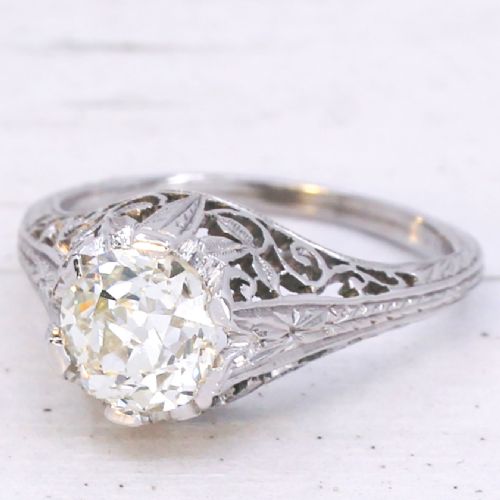
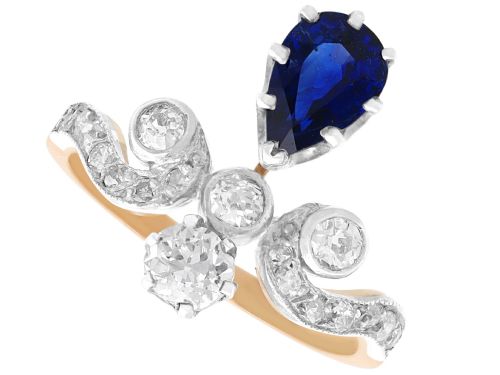
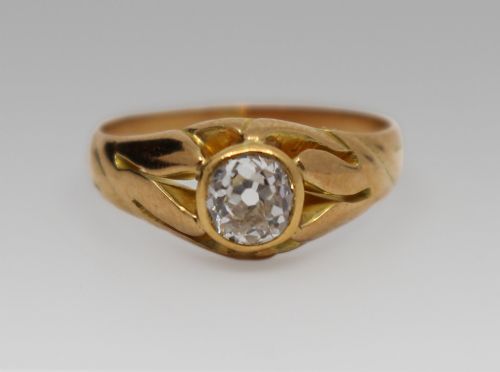
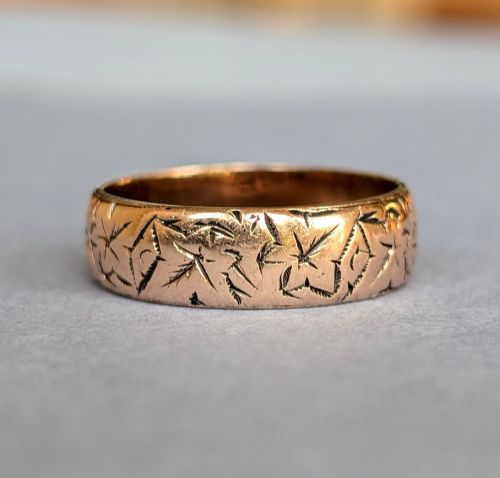
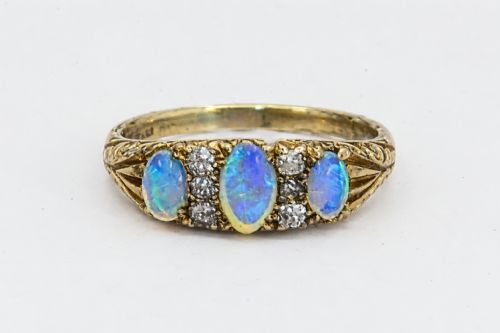
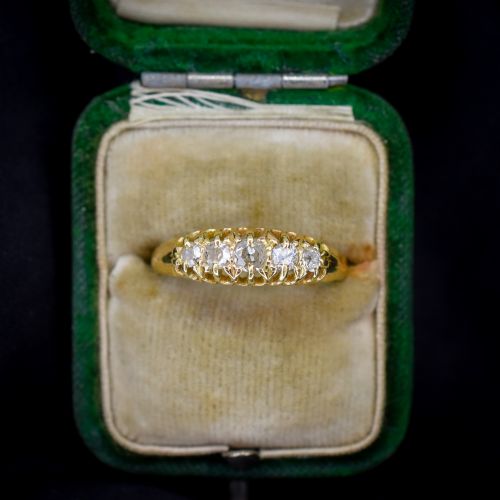
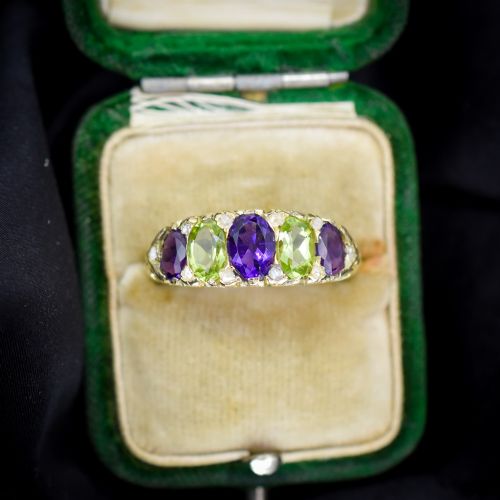
When you search for an antique edwardian band ring, you encounter finger rings fashioned primarily during the early decades of the twentieth century. These pieces encompass both plain metal wedding bands and gemstone-set designs incorporating diamonds, rubies, sapphires, and opals.
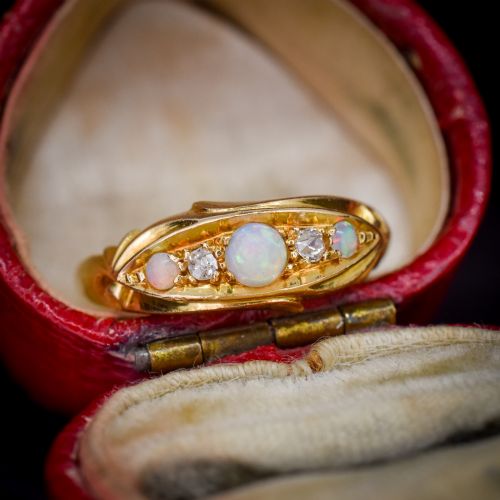
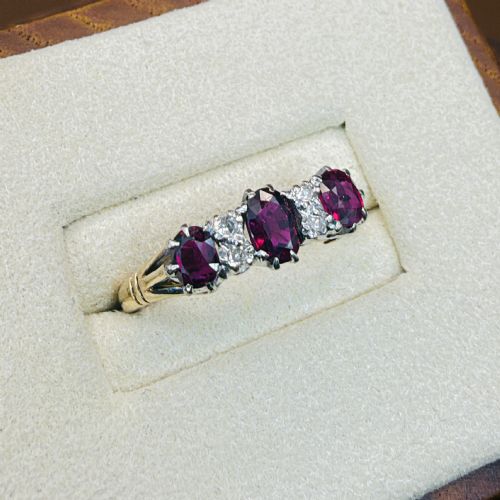
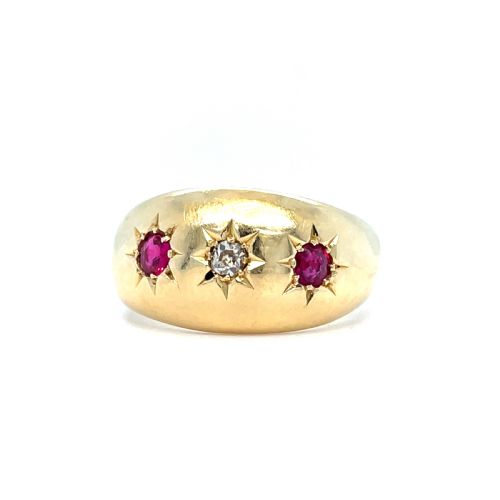
The selections available here lean heavily toward 18ct yellow and rose gold settings, alongside platinum and sterling silver examples. You will find traditional wedding bands alongside decorative boat rings, gypsy settings, and multi-stone cluster arrangements.
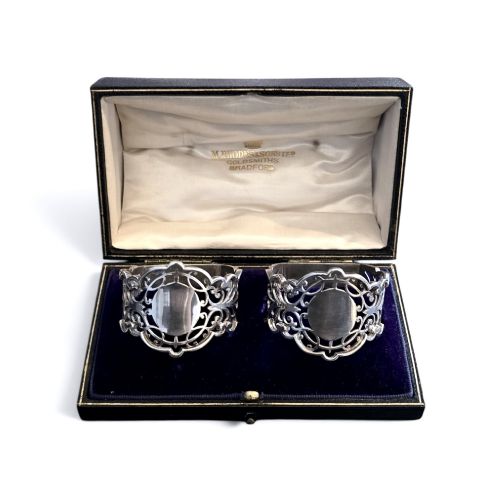
Beyond standard finger rings, the broader category occasionally includes domestic table silver such as sterling silver napkin rings. However, the core of the selection remains wearable finger adornments carrying hallmarks from major assay offices like Birmingham and Chester.
Materials and technique
Goldsmiths of this era relied heavily on 18ct yellow and rose gold, frequently pairing higher karat metals with platinum for secure stone settings. Sterling silver also appears in specific dress rings and table items.
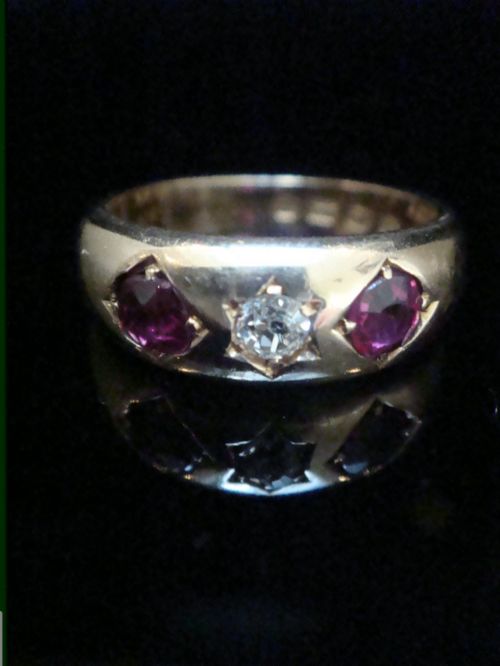
Gemstones including old cut diamonds, opals, rubies, and sapphires are secured using traditional claw, gypsy, and starburst flush settings. Hand-engraved details and hallmarked stamps frequently mark the interior of the bands.
Gemstones in these rings include diamonds, rubies, sapphires, opals, amethysts, and turquoises.
What varies in quality
The distinction between tiers rests upon the weight and purity of the gold, alongside the clarity and cut of set stones like old mine and old cut diamonds. Substantial metal thickness in wedding bands ensures durability over decades of daily wear.
Finishing touches dictate the overall calibre, visible in the crispness of hand-stamped assay hallmarks, the symmetry of starburst engravings, and the secure flush seating of softer gems like opals and pearls.
The Antique Edwardian Band Ring Glossary
- Boat ring
- A ring featuring a navette-shaped setting that tapers horizontally across the finger. This distinctive profile often houses rows of graduated diamonds and coloured gemstones.
- Gypsy ring
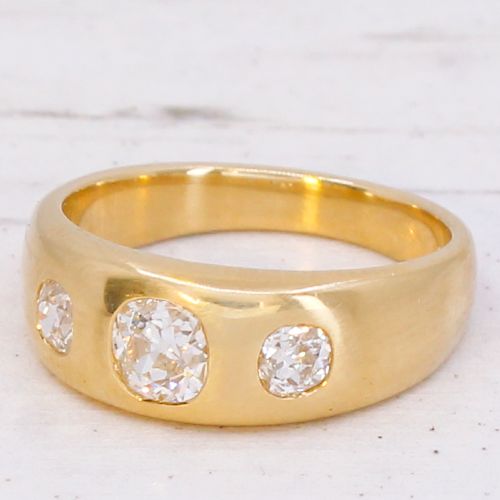
- A style where gemstones are flush-set directly into a thick band of metal rather than held in raised claws. The metal tapers smoothly up to meet each stone.
- Old cut diamond
- A hand-faceted diamond cut before modern machine precision methods were standardised. These stones typically display smaller tables and open culets.
- Hallmark
- An official stamp struck into precious metals to guarantee purity and origin. British items commonly feature city assay marks, date letters, and standard purity markers.
- Trilogy ring
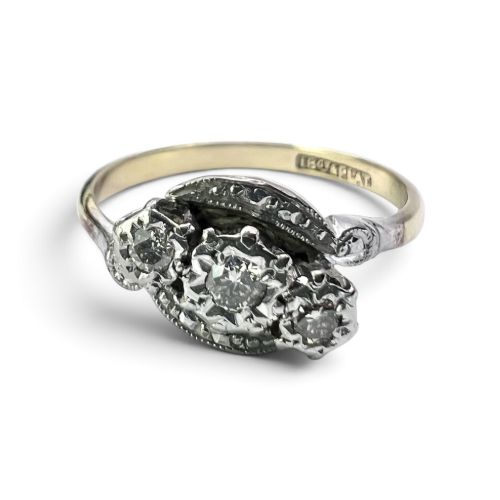
- A ring set with three stones arranged in a row, traditionally symbolising the past, present, and future.
Antique Edwardian Band Ring: Frequently Asked Questions
How do I wear a delicate gemstone band daily?
Selecting a robust setting style like a gypsy mount helps protect vulnerable gems from everyday knocks and friction. Pairing softer stones like opals or pearls with occasional wear ensures their long-term preservation.
Storing your ring separately from harder diamond pieces prevents surface scratching when the jewellery rests in a box.
Can I resize an antique gold band ring?
Most solid gold and silver bands can be adjusted by a skilled jeweller without compromising the structural integrity of the piece. Plain wedding bands offer the most straightforward resizing process.
Pieces featuring intricate hand engraving or channel-set stones around the entire circumference require specialist care during any alteration.
How do I identify an Edwardian ring?
Edwardian rings typically showcase light, airy metalwork using platinum and yellow gold to maximise the brilliance of set diamonds and coloured stones. Delicate millegrain edges and boat-shaped settings frequently characterise this period.
Examining the piece for British hallmarks and traditional old cut diamond facets provides further confirmation of the era.