



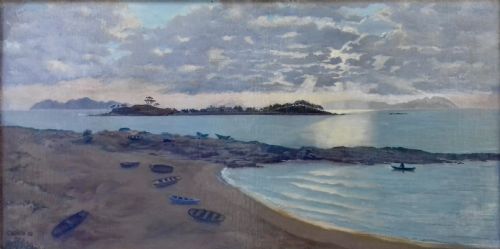


Antique Dusk Painting
An antique dusk painting captures the failing light and long shadows of evening, offering quiet atmospheric beauty for your walls.
Antique Dusk Painting
When you search for an antique dusk painting, you find works capturing evening light, twilight, and sunset across Britain and Europe. The selection spans the Victorian period, Edwardian era, and the mid-twentieth century.
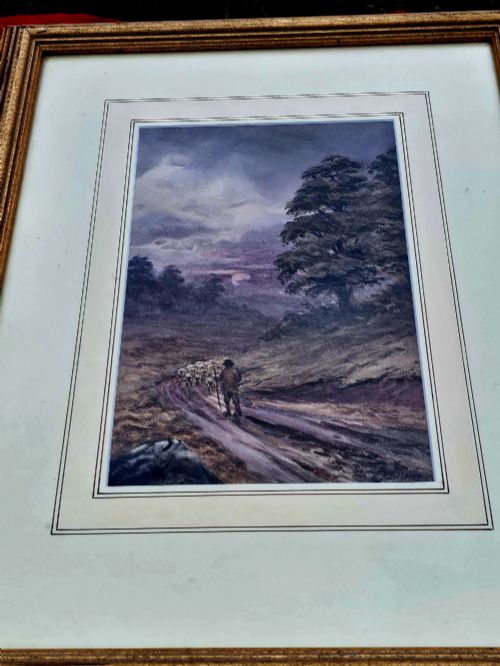
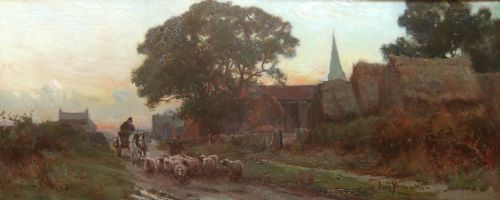
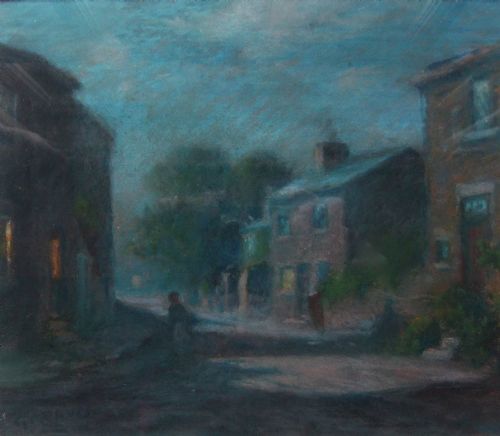
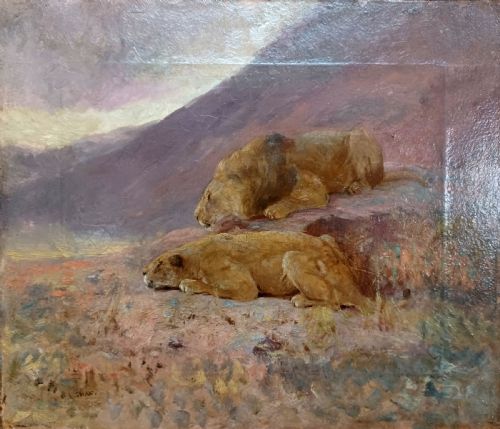
Most examples on this page take the form of watercolours on paper, pastels, and oil paintings on canvas or board. Subjects range from pastoral harvest scenes and Thameside villages to maritime views and animalier studies.
Makers such as William Greaves, Cuthbert Edmund Swan, and Henry Sykes captured the fading day in distinct mediums. These pieces bring the quiet stillness of evening indoors through varied regional and continental viewpoints.
Materials and technique
Artists painted these evening scenes using oil on canvas, oil on board, and watercolour on paper, alongside pastel drawings. Canvas supports heavier layers of pigment for rich twilight skies, while paper accommodates the fluid washes typical of watercolour.
Pigments were worked with brush and sometimes pastel stick to render the specific quality of low light. Wooden frames often enclose these artworks, preserving the paper, canvas, or board against environmental wear.
Antique Dusk Painting Retail Price Guide 2026
Typical asking prices for dusk painting among the pieces listed under this phrase on Sellingantiques today, from the lower quarter to the upper quarter. They describe what is for sale here now, not the wider market.
Materials recorded across the selection include paper, wood, oil, glass, canvas, watercolour, and pastel.
Judgements of quality
Quality rests in the handling of transitional light and atmospheric depth as day turns to night. Stronger works render the fading illumination of evening with clear tonal control rather than flat washes.
The skill of the artist shows in the composition and the preservation of the medium, whether pastel, watercolour, or oil. Signed works by recorded painters often demonstrate greater technical precision in capturing twilight and dusk.
EJ Letheren·William Greaves·W Tatton Winter·Cuthbert Edmund Swan·Henry Sykes·Frederick William Jackson·Matthew Hale·Wilmot Pilsbury·Owen Bowen·Henri Cadiou
The Antique Dusk Painting Glossary
- Watercolour
- A paint consisting of water-soluble pigments that produces transparent washes of colour on paper. It requires a deft hand to capture the swift changes of twilight.
- Pastel
- A dry drawing medium composed of powdered pigment and a binder, shaped into sticks. Artists used it on paper to create soft, blended evening skies.
- Oil painting
- Pigment suspended in a drying oil, applied to canvas or board. This medium allows for deep, layered tones suitable for night and dusk scenes.
- Victorian Pastoral
- An artistic style focusing on rural and agricultural life during the Victorian era. These works often depict farm workers and livestock returning home at the close of day.
Antique Dusk Painting: Frequently Asked Questions
How do I date a dusk painting?
Dating relies on stylistic markers, framing methods, and artist signatures documented in the work. Victorian and Edwardian pieces often display specific palette choices and subject matter tied to nineteenth and early twentieth-century conventions.
Paper types and canvas weaves also help determine age when signatures are absent or indistinct. Comparing the piece to dated works by the same maker narrows down the period further.
What subjects appear in these paintings?
Common subjects include rural harvest fields, coastal marine views, and riverside villages at the end of the day. Animals such as sheep and lions also feature in evening settings.
Artists focused on the transition from light to dark, capturing figures returning from labour or boats mooring as evening falls. Each subject reflects the prevailing artistic interests of the nineteenth and twentieth centuries.
How should I hang an oil painting?
Oil paintings on canvas or board require stable wall space away from direct sunlight and excessive moisture. Proper framing protects the edges of the canvas and provides structural support.
Use secure picture hooks rated for the weight of the frame and artwork. Avoid placing pieces near heat sources that could dry out the canvas or wood.
Are watercolours sensitive to light?
Watercolours on paper are sensitive to direct sunlight and can fade if hung in bright conditions. Glazing with protective glass helps shield the pigment from ultraviolet rays.
Display these works in rooms with indirect, controlled lighting to preserve their delicate tones. Conservation framing techniques further protect paper-based artworks from environmental degradation.