







Antique Dragon Pottery
Antique dragon pottery brings mythical beasts into your interior through glazed ceramics and porcelain vessels.
Antique Dragon Pottery
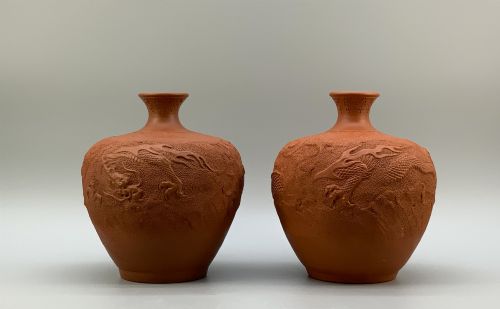
When you search for antique dragon pottery, you encounter a selection of vases, bowls, and jars adorned with serpentine beasts. These pieces span the Victorian, Edwardian, and Meiji periods alongside Chinese Qing dynasty wares.
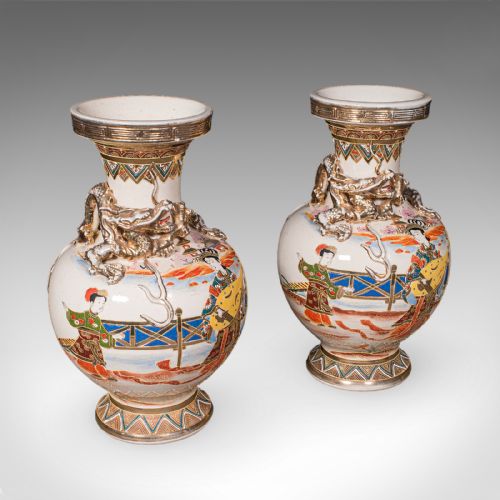
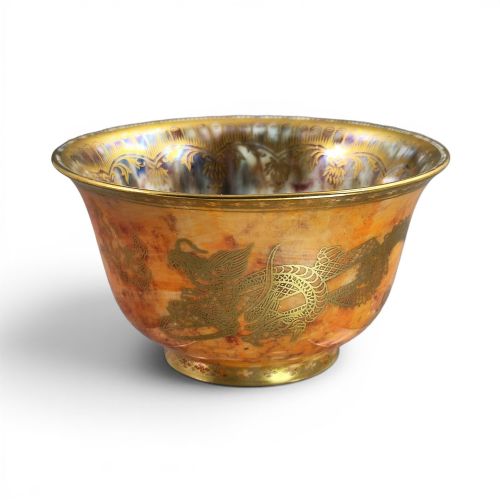
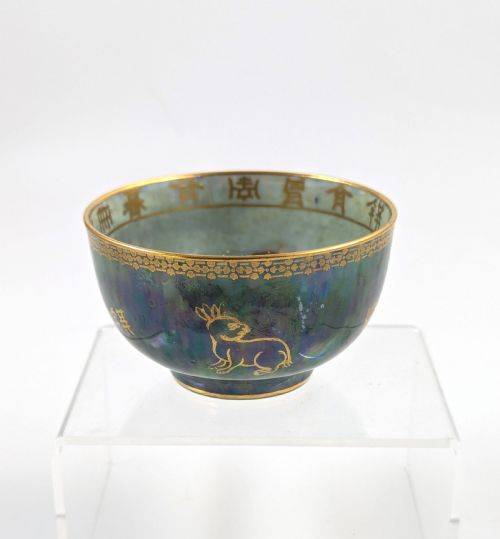
You are most likely to meet Japanese Satsuma earthenware and British Wedgwood lustre bowls on this page. Japanese pieces frequently depict arhats alongside the dragon, while Wedgwood examples utilise fantastical dragon motifs across various bowl and vase forms.
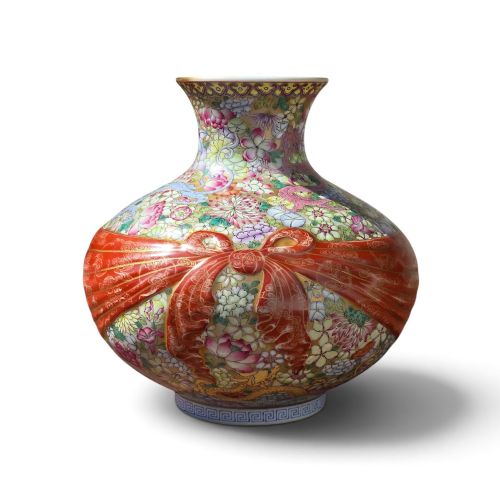
Chinese pieces in this selection include porcelain jars and vases featuring iron-red ribbons, doucai glazes, and five-claw dragons. The inventory moves across Asian and European ceramic traditions from the late nineteenth century into the nineteen-twenties.
How they were made
Potters shaped these vessels using red clay, terracotta, earthenware, and porcelain, forming baluster vases, jars, and octagonal bowls. Artisans then applied hand-painted details directly onto the ceramic body.
Surface decoration frequently incorporates enamel paints, lustre glaze, gold leaf, and gold gilt. Japanese Satsuma production relies heavily on intricate hand painting, while Wedgwood pieces employ specialised lustre techniques.
Antique Dragon Pottery Retail Price Guide 2026
Typical asking prices for dragon pottery among the pieces listed under this phrase on Sellingantiques today, from the lower quarter to the upper quarter. They describe what is for sale here now, not the wider market.
Listings include items from the Victorian, Edwardian, Meiji, and Qing periods, using porcelain, earthenware, and lustre glaze.
What varies in quality
Quality depends upon the precision of the hand-painted brushwork and the complexity of the glaze application. Pieces featuring detailed figures alongside the dragon demand greater skill from the artist.
The clarity of the gilding and the depth of the lustre glaze separate standard production from exceptional works. Well-preserved surfaces retain their original metallic sheen and enamel vibrancy without rubbing.
Daisy Makeig Jones·Hotoda
The Antique Dragon Pottery Glossary
- Satsuma
- A type of Japanese earthenware featuring a crackled cream-coloured glaze and elaborate polychrome and gilt decoration. These pieces often depict traditional figures and dragons.
- Lustre Glaze
- A ceramic finish containing metallic oxides that produce an iridescent, shimmering surface effect when fired. Wedgwood utilised this technique extensively for dragon motifs.
- Doucai
- A Chinese porcelain decorating technique combining underglaze blue outlines with overglaze enamel colours. Artisans fill in the traced design with contrasting pigments before a second lower-temperature firing.
- Baluster
- A vase form characterised by a bulbous lower body that tapers toward a narrow neck. This shape provides a wide surface area for displaying painted dragon motifs.
- Millefleurs
- A dense pattern covering the ceramic surface with countless small painted flowers. Translating to a thousand flowers, this style often frames central imperial dragon designs.
Antique Dragon Pottery: Frequently Asked Questions
What is antique dragon pottery?
Antique dragon pottery encompasses ceramic and porcelain vessels decorated with mythical dragon motifs from various Asian and European traditions.
The selection includes Japanese Satsuma earthenware, Chinese Qing dynasty porcelain, and British lustre wares from the late nineteenth and early twentieth centuries.
How do I date Satsuma dragon pottery?
Dating Satsuma ceramics involves examining the style of the painting, the crackle of the glaze, and any signatures present on the base.
Pieces from the Meiji period typically display dense hand-painted ornamentation and figural scenes alongside the dragon.
How should I display these vessels?
These decorative bowls and vases suit placement on flat surfaces where adequate lighting highlights the enamel and gold leaf details.
Keeping them away from direct sunlight preserves the vibrancy of the hand-painted glazes over time.