



Antique Double Door Chest
An antique double door chest provides substantial storage through panels of mahogany, walnut, or oak spanning the eighteenth to the twentieth centuries.
Antique Double Door Chest
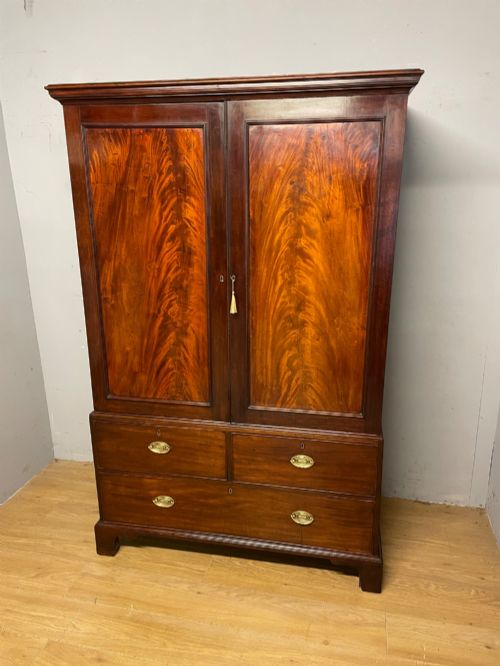
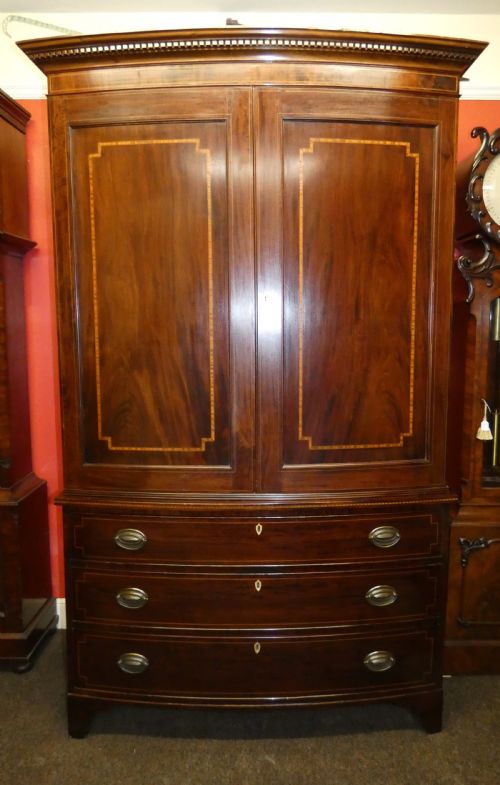
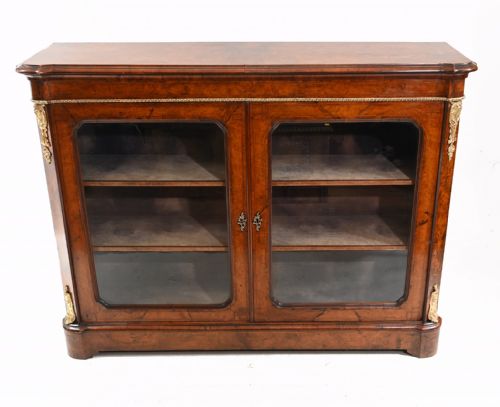
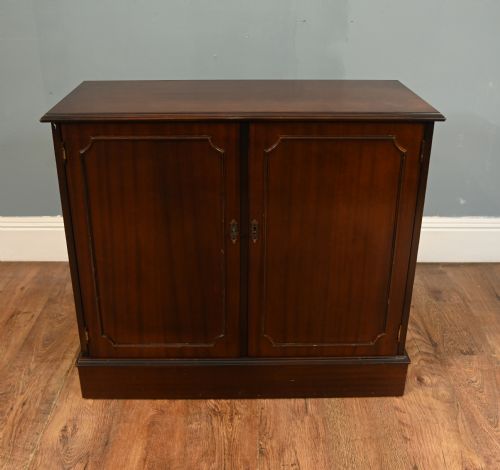
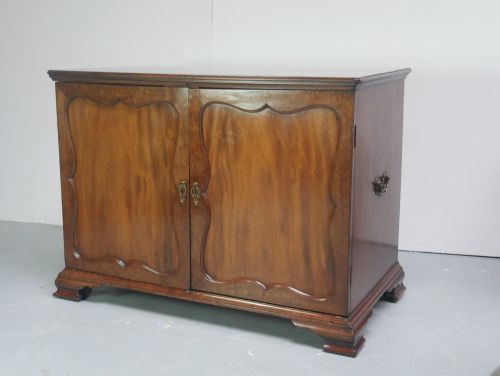
An antique double door chest brings together various forms designed to store textiles, books, and household goods. The selection includes linen presses, tallboys, bureau bookcases, and side cabinets built across multiple periods.
Buyers frequently encounter examples from the eighteenth and nineteenth centuries, alongside Regency, Victorian, and later twentieth-century iterations. These pieces range from low cupboards to grand two-stage configurations.
The primary forms utilise upper compartments enclosed by twin doors, often positioned above drawer bases. Selecting a specific type depends on the room scale and the storage function required.
How they were made
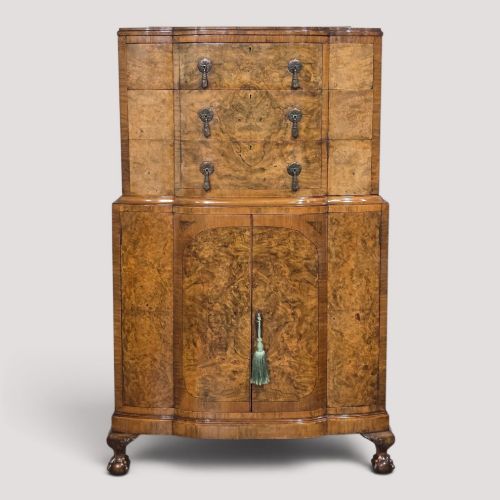
Cabinetmakers utilised solid timbers such as mahogany, oak, and walnut, frequently applying flame mahogany or burr walnut veneers to primary surfaces. Pine appears in carcass construction and backing panels.
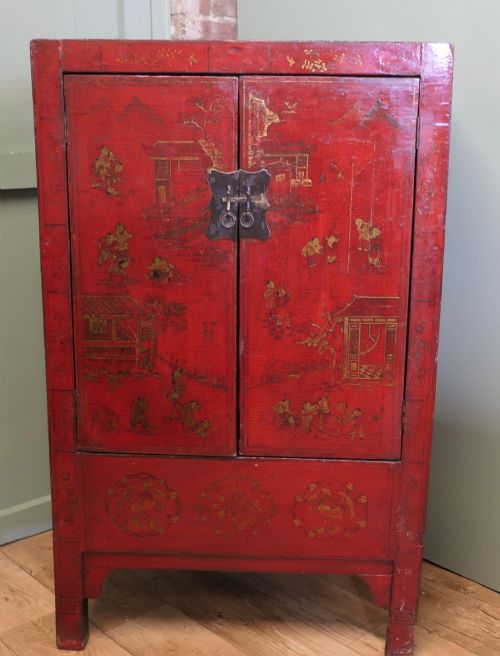
Surface ornamentation relies on contrasting cross-banding, brass hardware, and occasional painted finishes or carved details. Glass panels feature in bookcase and display variations.
Antique Double Door Chest Retail Price Guide 2026
Typical asking prices for double door chest among the pieces listed under this phrase on Sellingantiques today, from the lower quarter to the upper quarter. They describe what is for sale here now, not the wider market.
Some nineteenth-century pieces disguise themselves as sentry boxes.
What varies in quality
The distinction in quality rests upon timber selection and the precision of veneer matching. Superior examples display carefully figured burr walnut or flame mahogany arranged symmetrically across the double doors.
Construction methods determine durability, with well-joined drawer linings and original brass hardware indicating careful workshop execution. The integration of upper cupboards with lower chest bases requires balanced proportions and clean lines.
Thomas Bradshaw
The Antique Double Door Chest Glossary
- Linen press
- A tall storage piece featuring upper double doors enclosing sliding shelves or trays, traditionally used for folded linens.
- Tallboy
- A vertical chest of drawers arranged in two sections, placing a smaller chest atop a larger base.
- Cross-banding
- A decorative border of veneer laid with the grain running perpendicular to the surrounding surface.
- Bureau bookcase
- A combination form featuring a sloping writing flap below upper shelving enclosed by glazed or solid doors.
Antique Double Door Chest: Frequently Asked Questions
What fits inside an antique double door chest?
These pieces traditionally house folded textiles, books, and household documents within their upper cupboards and lower drawers. Sliding trays inside linen presses accommodate garments without hanging space.
Buyers often adapt these compartments for modern clothing storage or general household organisation.
How do I date an antique double door chest?
Dating relies on timber choices, construction methods, and stylistic details associated with periods like the Georgian or Victorian eras. Secondary woods like pine or oak inside drawer linings offer further clues to age.
Comparing hardware fixings and veneer patterns against known historical examples helps narrow the decade of production.
Are these chests difficult to move?
Many examples are heavy two-piece constructions, separating an upper cabinet from a lower chest base for transport. Enlisted help is advisable given the solid timber frames and large dimensions.
Checking overall height and stair clearance ensures safe delivery into a room.
How do I care for walnut and mahogany surfaces?
Maintenance involves applying quality wax polish sparingly and buffing with a soft cloth to protect the timber grain. Direct sunlight and sudden humidity changes should be avoided to prevent veneer lifting.
Regular dusting keeps the polished finishes stable over decades of domestic use.