




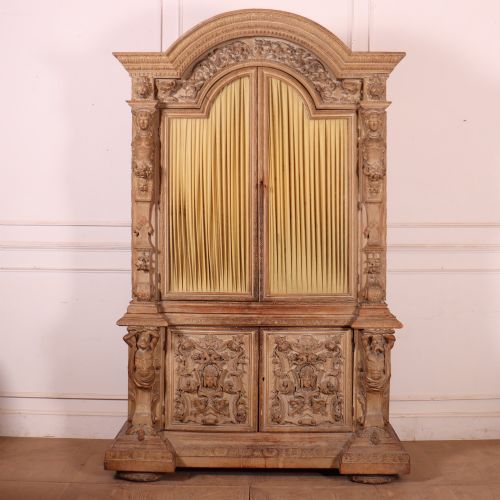
Antique Display Armoire
An antique display armoire brings grand scale and visibility to your interior, offering substantial storage alongside glazed panels for treasured collections.
Antique Display Armoire
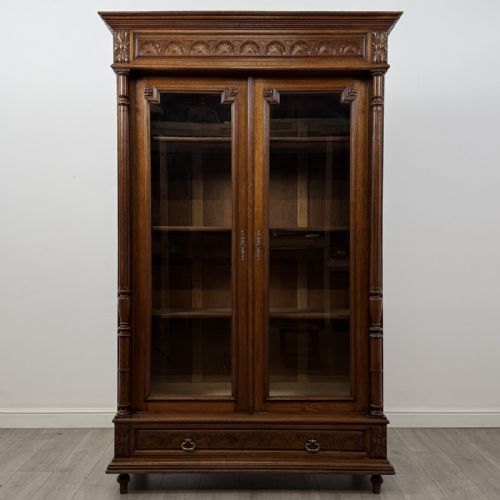
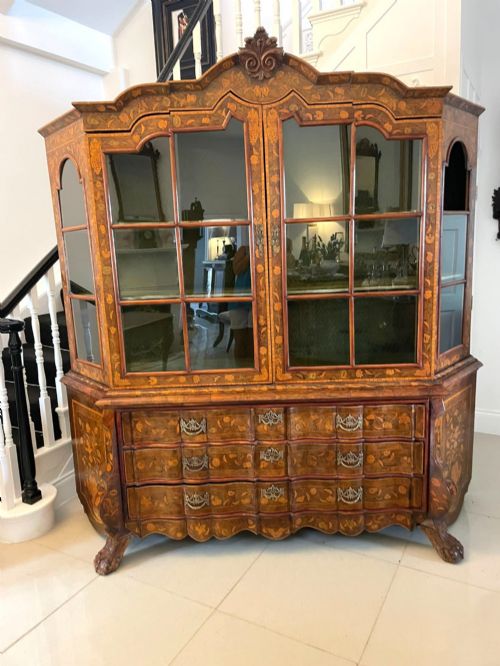
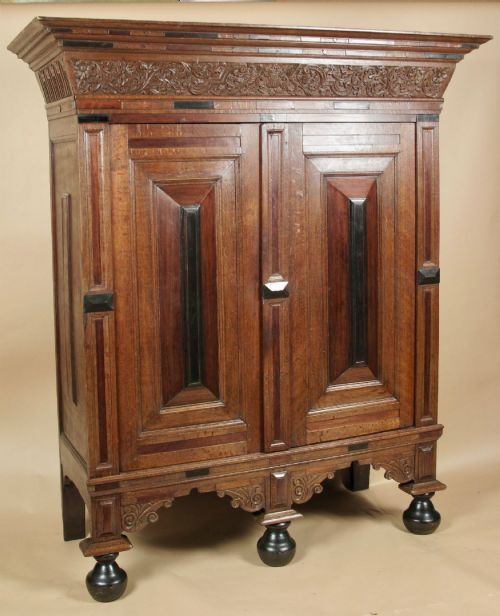
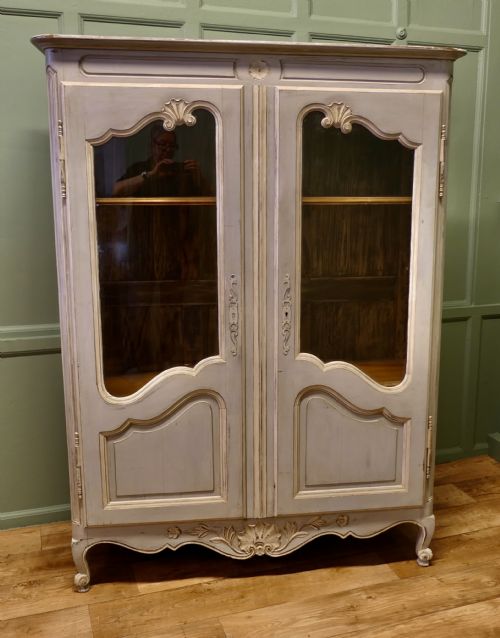
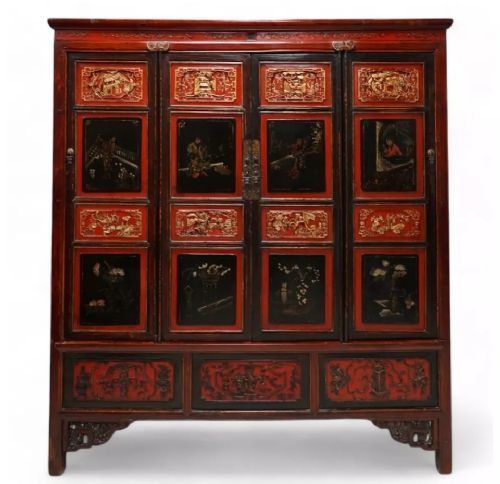
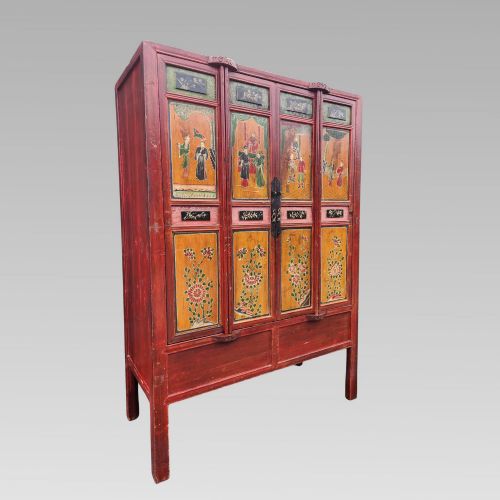
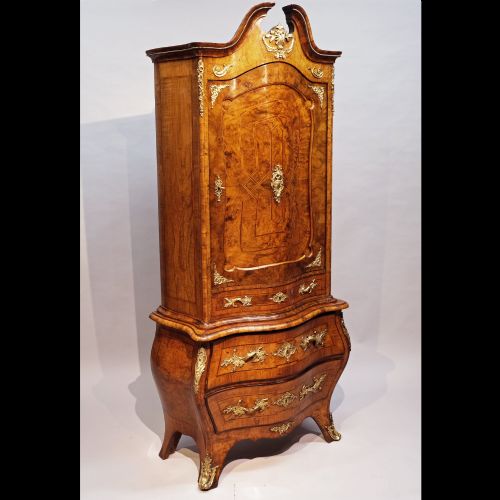
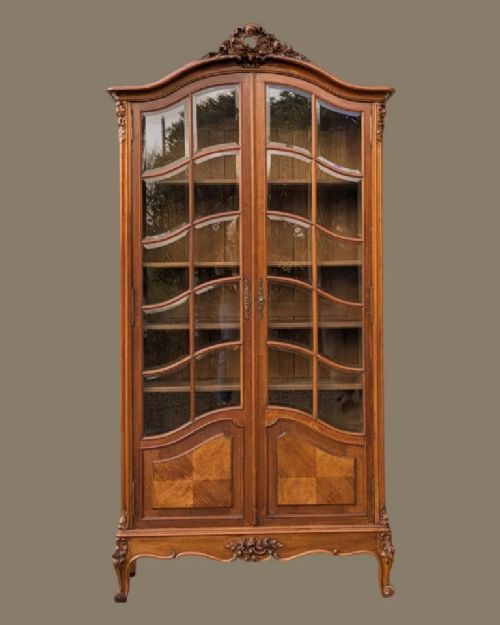
When buyers search for an antique display armoire, they encounter large storage furniture that bridges the gap between traditional wardrobes, linen presses, and glazed vitrines. These pieces frequently manifest as nineteenth-century French bookcases, Dutch floral marquetry cabinets, and Chinese lacquer marriage storage.
The objects appearing under this category span various centuries and regional interpretations, from Georgian mahogany corner cupboards to elaborate seventeenth-century styles. Buyers find significant variety in how makers integrated glass doors, open shelving, and enclosed lower sections within a singular case furniture piece.
Among these variations, seventeenth-century to nineteenth-century Continental and British examples dominate the selection, often featuring prominent cornices and panelled doors. Each piece reflects the specific storage and display needs of its original domestic context, adapted through subsequent eras for modern utility.
Materials and construction methods
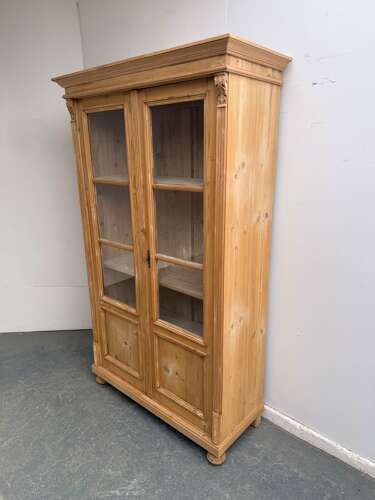
Cabinetmakers constructed these large armoires and display cabinets primarily using dense hardwoods such as oak, mahogany, walnut, and rosewood, frequently applying intricate burr walnut or exotic veneers to primary surfaces. Artisans incorporated secondary woods like pine for internal shelving and backing boards.
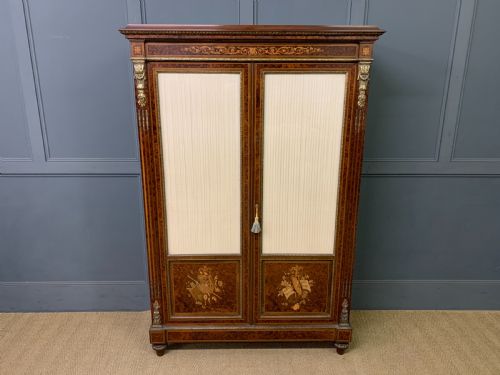
Decorative techniques recorded in the evidence include floral marquetry inlay, hand-applied red and black lacquering, gilt brass mountings, and carved wood detailing. Glazing bars organise the glass panels on vitrine doors, while traditional joinery secures heavy cornices and substantial door frames.
Antique Display Armoire Retail Price Guide 2026
Typical asking prices for display armoire among the pieces listed under this phrase on Sellingantiques today, from the lower quarter to the upper quarter. They describe what is for sale here now, not the wider market.
Materials documented across the inventory include oak, walnut, burr walnut, mahogany, rosewood, glass, and brass.
Distinctions in craftsmanship and design
Quality in these large cabinets rests upon the depth of the timber selection, such as highly figured burr walnut or dense mahogany, and the precision of the underlying joinery. Superior examples maintain structural integrity across massive double doors and heavy projecting cornices without sagging.
The refinement of surface decoration distinguishes finer pieces, seen in crisp floral marquetry, well-executed chinoiserie lacquering, and finely chased ormolu or brass mounts. The integration of glass panels and the condition of original interior linings further separate standard utility pieces from exceptional decorative works.
The Antique Display Armoire Glossary
- Armoire
- A large wardrobe or movable cupboard, traditionally used for storing garments and household textiles. These pieces often evolved to incorporate glass doors for display purposes.
- Vitrine
- A glass-fronted cabinet designed specifically for displaying porcelain, curiosities, or books. They frequently feature glazed sides to maximise light penetration.
- Marquetry
- The art and craft of applying decorative veneer pieces of different woods, metals, or shells to a structure to form intricate geometric or floral designs.
- Cornice
- The decorative moulding that crowns the top of a large cabinet or armoire. It provides a visual cap to the vertical proportions of the furniture.
- Ormolu
- Gilt bronze mounts applied to the exterior of nineteenth-century furniture for decorative effect. This technique was particularly favoured in French Empire designs.
Antique Display Armoire: Frequently Asked Questions
What is an antique display armoire?
An antique display armoire is a large freestanding storage piece that combines enclosed cabinet space with glazed doors for viewing contents. These pieces originate from various European and Asian traditions.
They serve as focal points in large rooms, providing substantial storage while showcasing collections behind glass or intricate mesh doors.
How do I style a large armoire?
Styling a large cabinet involves balancing the visual weight of the timber with curated objects placed inside or on top. Consider the surrounding room proportions when positioning these substantial items.
Interior lighting and neutral shelving backgrounds help highlight displayed items without competing with the exterior wood grain or lacquer work.
How do I date an antique cabinet?
Dating relies on observing construction methods, timber choices, and stylistic markers such as Rococo curves, Empire ormolu, or Dutch marquetry. Secondary wood usage also provides clues.
Regional traditions, such as Chinese lacquer work or English Georgian proportions, further narrow down the decade or century of origin.
Are these cabinets difficult to move?
Due to their substantial size and heavy hardwood construction, these pieces often require professional dismantling or careful handling during transport. Some variants feature knockdown construction.
Measuring ceiling heights and stairway clearances before acquisition ensures the cabinet fits safely into its intended domestic space.