



Antique Dining Silverware
Antique dining silverware spans functional and decorative table pieces in sterling silver and silver plate, bringing period character to any meal.
Antique Dining Silverware
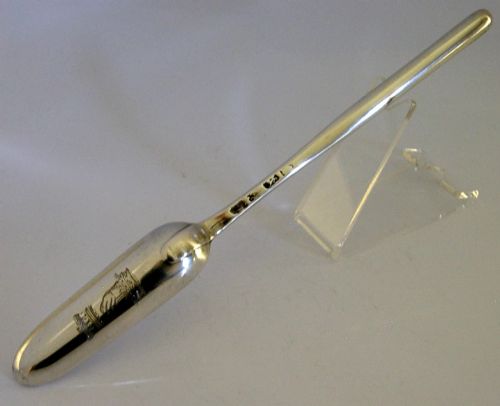
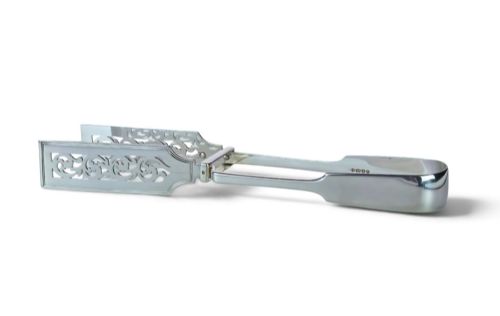
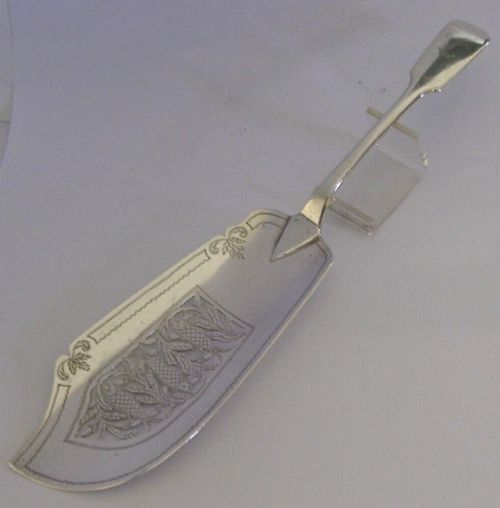
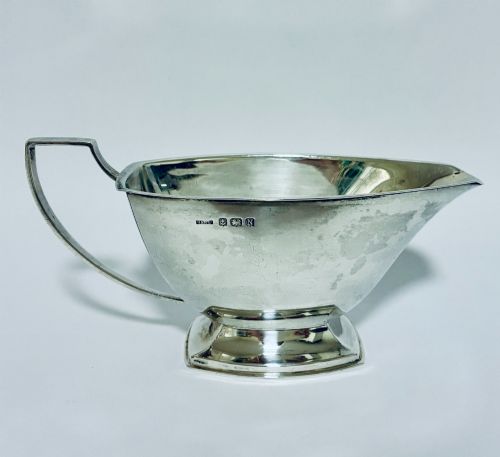
Antique dining silverware encompasses a diverse array of table appointments used for serving, carving, and individual dining. When exploring antique dining silverware, buyers encounter objects ranging from flatware sets and canteens to specialised serving implements like asparagus tongs, grape scissors, and sauce boats.
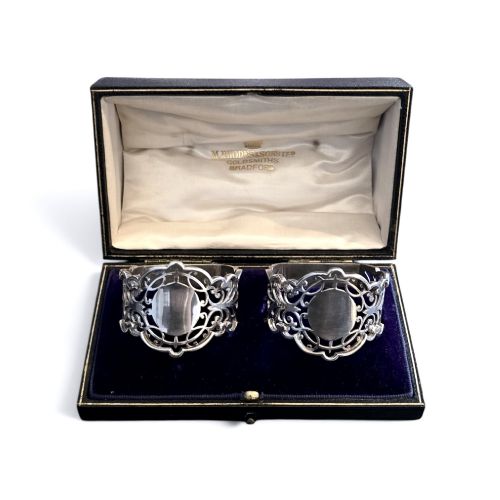
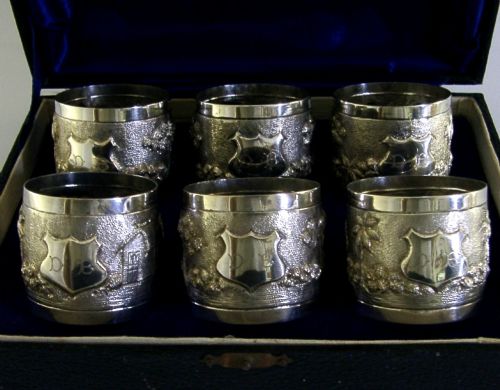
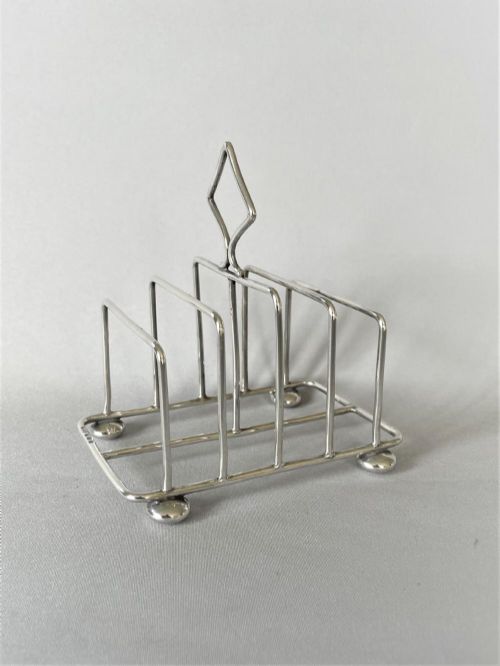
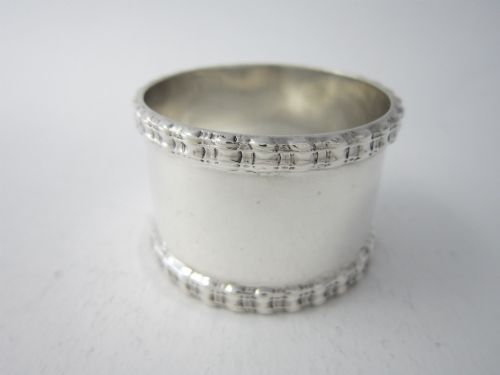
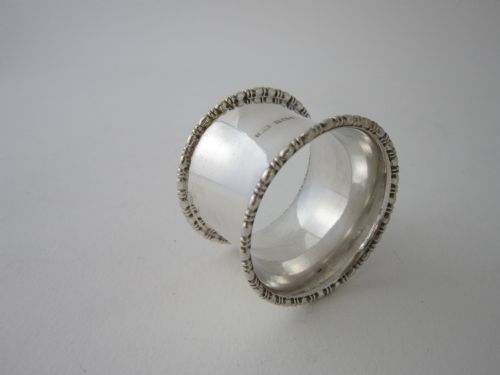
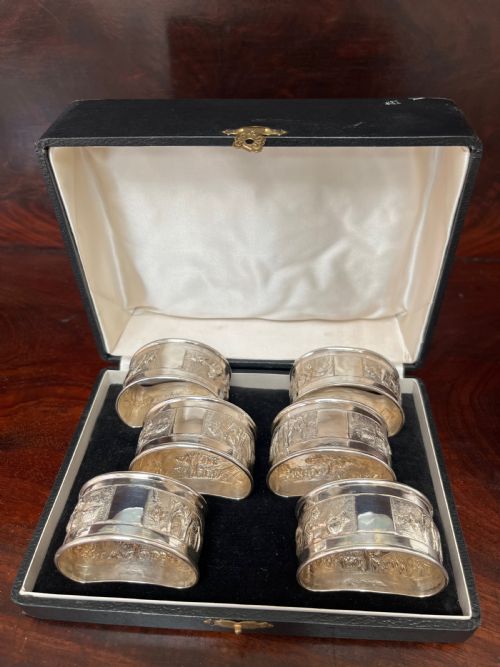
The pieces listed on this page originate from periods including the eighteenth century, the Victorian and Edwardian eras, up through the mid-twentieth century. Napkin rings, toast racks, and candlesticks appear frequently among the selection, reflecting formal dining habits of past generations.
Makers and workshops utilised various materials alongside silver, incorporating velvet, silk, leatherette, and burr walnut within fitted cases. Styles span Georgian, Queen Anne, Victorian, Edwardian, Art Nouveau, and Art Deco designs.
Materials and construction methods
Silversmiths constructed these table items primarily from solid sterling silver or through silver plating over base metals, often pairing them with stainless steel for cutting edges. Hallmarks stamped into the metal indicate the assay office, standard of silver, and year of manufacture.
Many finer items utilise specialised fitted cases lined with materials such as velvet, silk, or leatherette, designed to protect the silver from tarnish and damage during storage.
Antique Dining Silverware Retail Price Guide 2026
Typical asking prices for dining silverware among the pieces listed under this phrase on Sellingantiques today, from the lower quarter to the upper quarter. They describe what is for sale here now, not the wider market.
Distinctions in quality
Quality in these table pieces depends upon the weight of the metal, the clarity and completeness of the hallmarks, and the crispness of chased or engraved ornamentation. Maker attribution also plays a role, with documented workshops commanding greater attention.
The integrity of fitted presentation cases and the preservation of original silver plating on plated wares separate standard production items from finer surviving examples.
Elizabeth Eaton·Martin Hall & Co·Tiffany·Elkington & Co·Reilly & Storer·Walter & John Barnard
The Antique Dining Silverware Glossary
- Sterling silver
- An alloy containing 92.5 percent silver by mass, with the remainder consisting of other metals like copper for durability.
- Silver plate
- A layer of silver applied to a base metal core, such as copper or nickel silver, providing the appearance of solid silver.
- Hallmark
- A series of official marks stamped on precious metal items to show the standard of purity, assay office, and year of making.
- Canteen
- A fitted box, chest, or case designed specifically to store a complete set of cutlery or flatware securely.
- Toast rack
- A small table accessory featuring vertical metal divisions designed to hold slices of toast upright.
Antique Dining Silverware: Frequently Asked Questions
How do I clean antique silver?
Clean silver gently using a specialised silver cloth or mild soapy water, avoiding harsh abrasive dips that can remove fine details.
Store pieces in dry conditions, and utilise anti-tarnish storage rolls or lined canteens to minimise exposure to air.
What is a silver canteen?
A canteen is a fitted wooden box or case designed to hold a complete matched set of flatware or cutlery.
These cases often feature interior divisions lined with velvet or silk to keep each fork, spoon, and knife secure.
How do I read silver hallmarks?
Hallmarks usually consist of a maker's mark, a standard mark indicating sterling quality, an assay office symbol, and a date letter.
Reference guides can help match the specific stamp shapes and letters to their exact year and city of testing.
Can I use antique silverware daily?
Solid silver and silver plate items can be used for everyday dining, provided they are hand washed promptly after use.
Avoid putting antique silver in the dishwasher, as high heat and harsh detergents can damage the finish and soldered joints.